Popular Conditions & Diets

If you've ever looked into the low-FODMAP diet, you've probably wondered where to start. With long lists of foods to limit and plenty of conflicting advice online, it can feel overwhelming before you've even planned your first meal.
Originally developed to help manage symptoms of irritable bowel syndrome (IBS), the low-FODMAP diet is a temporary elimination diet that reduces certain fermentable carbohydrates known as FODMAPs. These carbohydrates can be difficult for some people to digest and may contribute to symptoms such as bloating, abdominal pain, excess gas and changes in bowel habits.
The goal isn't to avoid these foods forever. Instead, the diet is designed to help identify which foods trigger your symptoms so you can build a varied eating pattern that works for you.
A quick note: The low-FODMAP diet is a therapeutic elimination diet that should be followed under the guidance of a registered dietitian or healthcare provider. If you're experiencing ongoing digestive symptoms, talk to your doctor before making significant changes to your diet. The goal isn't to eliminate foods forever, but to identify potential triggers and gradually reintroduce foods as tolerated.
These foods are generally considered low FODMAP when eaten in appropriate serving sizes.
Protein
Vegetables
Fruit
Grains
These foods are higher in FODMAPs and are commonly reduced while identifying potential triggers.
Vegetables
Fruit
Dairy
Legumes
Sweeteners
Other
Rily tip: Garlic and onions are among the most common high-FODMAP ingredients, but that doesn't mean your meals have to lose flavour. Try using garlic-infused olive oil, fresh herbs, chives or the green tops of spring onions instead. Because the fermentable carbohydrates don't dissolve into the oil, garlic-infused olive oil is considered low FODMAP.
Not every recipe is naturally low FODMAP, so we've included simple adjustments where needed to help keep them aligned with the elimination phase of the diet.
Carley Nadine
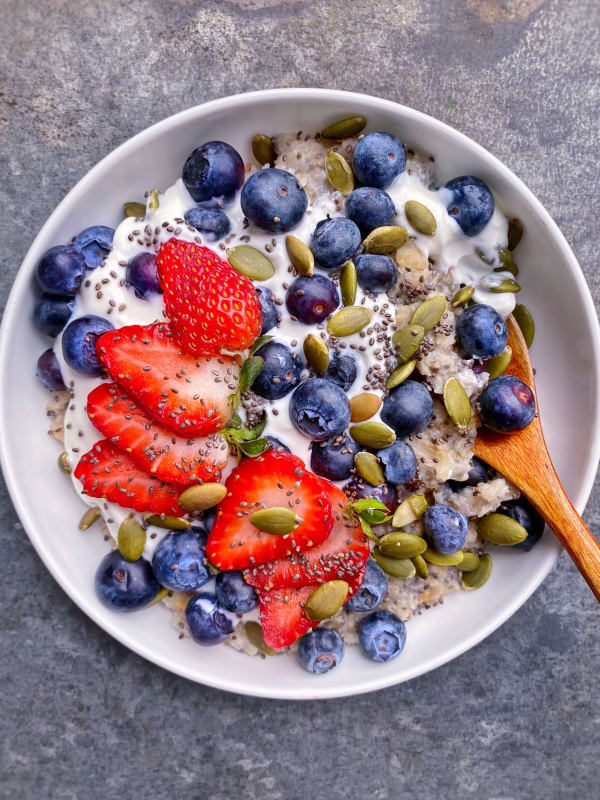
A warm bowl of oatmeal is a breakfast staple for many people, and the good news is that it can absolutely have a place in a low-FODMAP eating pattern. Oats are considered low FODMAP in moderate portions and provide a source of soluble fibre, which may help support digestive health for some people. Combined with chia seeds, pumpkin seeds and antioxidant-rich berries like strawberries and blueberries, this breakfast offers a satisfying balance of fibre, healthy fats and protein to help keep you feeling full throughout the morning. The recipe is naturally gluten-free when certified gluten-free oats are used, making it a great option for those managing multiple dietary needs. It's also quick enough for busy weekdays while still feeling like a nourishing breakfast.
Simple swap: Use lactose-free Greek yogurt instead of regular Greek yogurt to reduce the lactose content. If you'd like to add extra fruit, choose another low-FODMAP option such as kiwi rather than apple or a very ripe banana.

Kelsey Russell-Murray
When you're following a low-FODMAP diet, breakfast can quickly start to feel repetitive. That's what makes these cheesy veggie egg bites such a great option. Eggs are naturally low FODMAP and packed with high-quality protein, making them a satisfying way to start the day or curb hunger between meals. They're also incredibly practical. Bake a batch over the weekend and you'll have a grab-and-go breakfast or snack ready for the week ahead. Bell peppers are a naturally low-FODMAP vegetable that add colour, flavour and vitamin C, while Monterey Jack cheese is lower in lactose than many soft cheeses, making it a better choice for those limiting lactose during the elimination phase. Even better, this recipe is designed to be customized, allowing you to swap vegetables as you learn which foods work best for your body during the reintroduction process.
Easy low-FODMAP swap: This recipe calls for garlic and broccoli, two ingredients that are higher in FODMAPs. Replace the garlic with garlic-infused olive oil, and swap the broccoli for spinach, zucchini or extra bell peppers to make it more suitable during the elimination phase.

Bianca Osbourne
If you prefer a cold breakfast that's ready to grab on your way out the door, these overnight oats are a refreshing option. The combination of rolled oats, fresh orange juice and berries creates a bright, citrusy breakfast that's packed with fibre and naturally colourful ingredients. Overnight oats are also an excellent meal-prep choice, allowing you to prepare several servings in advance for busy mornings. While oranges, raspberries and blueberries are all low-FODMAP fruits in appropriate portions, the milk you choose can make a difference depending on where you are in your low-FODMAP journey.
Easy low-FODMAP swap: Replace the oat milk with lactose-free milk or unsweetened almond milk, as some oat milks may be higher in FODMAPs depending on how they're produced and the serving size. Stick to the recommended berry portions if you're following the elimination phase.

Megan Horsley
Following a low-FODMAP diet doesn't mean giving up desserts or sweet breakfasts. This chocolate peanut butter chia pudding feels indulgent while relying on ingredients that can fit well into a low-FODMAP meal plan with a few simple adjustments. Chia seeds are naturally low FODMAP and provide fibre and omega-3 fatty acids, while peanuts and natural peanut butter are also considered low FODMAP in typical serving sizes. The rich chocolate flavour makes this recipe an excellent option when you're craving something sweet without reaching for highly processed snacks. Preparing it in advance also means you'll have a convenient breakfast or afternoon snack ready whenever hunger strikes.
FODMAP-friendly tip: Replace the cashew milk with lactose-free milk or unsweetened almond milk, as cashew milk can be higher in FODMAPs depending on the brand. If using protein powder, choose one that's been tested or formulated to be low FODMAP.
Jaclyn Irwin
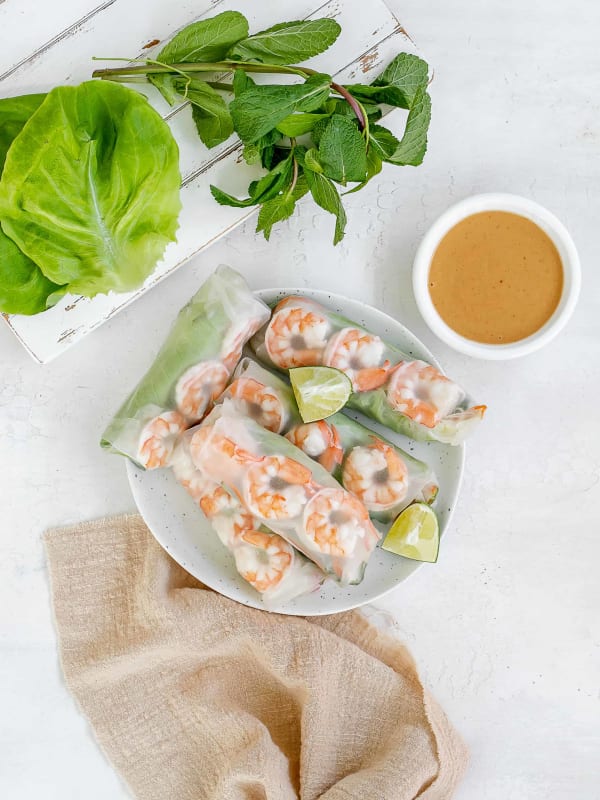
These fresh rolls are light, colourful and packed with naturally low-FODMAP ingredients, making them an excellent addition to this collection. Shrimp is a lean source of protein, while rice paper wrappers and rice vermicelli provide satisfying carbohydrates without relying on wheat. The crisp vegetables and fresh herbs add plenty of texture and freshness, creating a meal that feels substantial without being heavy. The homemade peanut dipping sauce also delivers plenty of flavour with only one ingredient that needs a quick adjustment. Whether served as a light lunch, appetizer or warm-weather dinner, these rolls are a fun way to enjoy more vegetables while keeping ingredients simple.
Easy low-FODMAP swap: Replace the honey in the peanut sauce with maple syrup, and keep an eye on the ingredient list for your sriracha to ensure it doesn't contain garlic.

Jaclyn Irwin
Chicken salad is an easy lunch option for a low-FODMAP collection because the base is simple, satisfying and protein-rich. Chicken, mayonnaise, lemon juice, olive oil and arugula are all easy to work with during the elimination phase, and this version keeps things lighter by serving the salad over greens instead of bread. The celery, avocado and red onion are where this recipe needs a bit more attention. Small amounts of celery and avocado may be tolerated by some people, but both can become higher FODMAP depending on portion size, while onion is one of the more common ingredients avoided during the elimination phase. With a few adjustments, this is still a fresh, filling lunch that can work well for meal prep.
Simple swap: Omit the red onion and use radish, cucumber or chives for crunch. Keep avocado to a small portion, or skip it during the elimination phase.

Julia Gibson
Lettuce wraps are a great low-FODMAP meal format because they rely on protein, herbs, citrus and crunchy vegetables rather than wheat-based wraps or heavier sauces. This recipe uses ground pork, Bibb lettuce, cucumber, lime and cilantro, all of which can fit well into a low-FODMAP eating pattern. The bigger things to watch are the garlic, honey and green onions. Garlic is high FODMAP, honey is also commonly limited during the elimination phase, and only the green tops of green onions are considered the better low-FODMAP option. Once those pieces are adjusted, this recipe still keeps the balance of spicy, salty, sour and savoury flavours that make it so satisfying.
To make it low FODMAP: Replace the garlic with garlic-infused oil, use maple syrup instead of honey and use only the green tops of the green onions.

Jaclyn Irwin
Rice bowls are one of the easiest meals to adapt for a low-FODMAP diet because rice is naturally low FODMAP and works well with simple proteins and vegetables. This viral salmon bowl is especially practical because it uses leftover cooked salmon and rice, making it quick enough for lunch or a low-effort dinner. Salmon adds protein and healthy fats, while spinach, tamari, mayonnaise, nori and furikake can all fit comfortably into a low-FODMAP meal depending on the specific products used. The main ingredient to watch here is avocado, which can be higher FODMAP in larger portions. The recipe calls for half an avocado, so readers in the elimination phase may want to scale that back.
FODMAP-friendly tip: Use a smaller portion of avocado or omit it during the elimination phase. Check the furikake and sriracha labels for garlic or onion.
Jaclyn Irwin
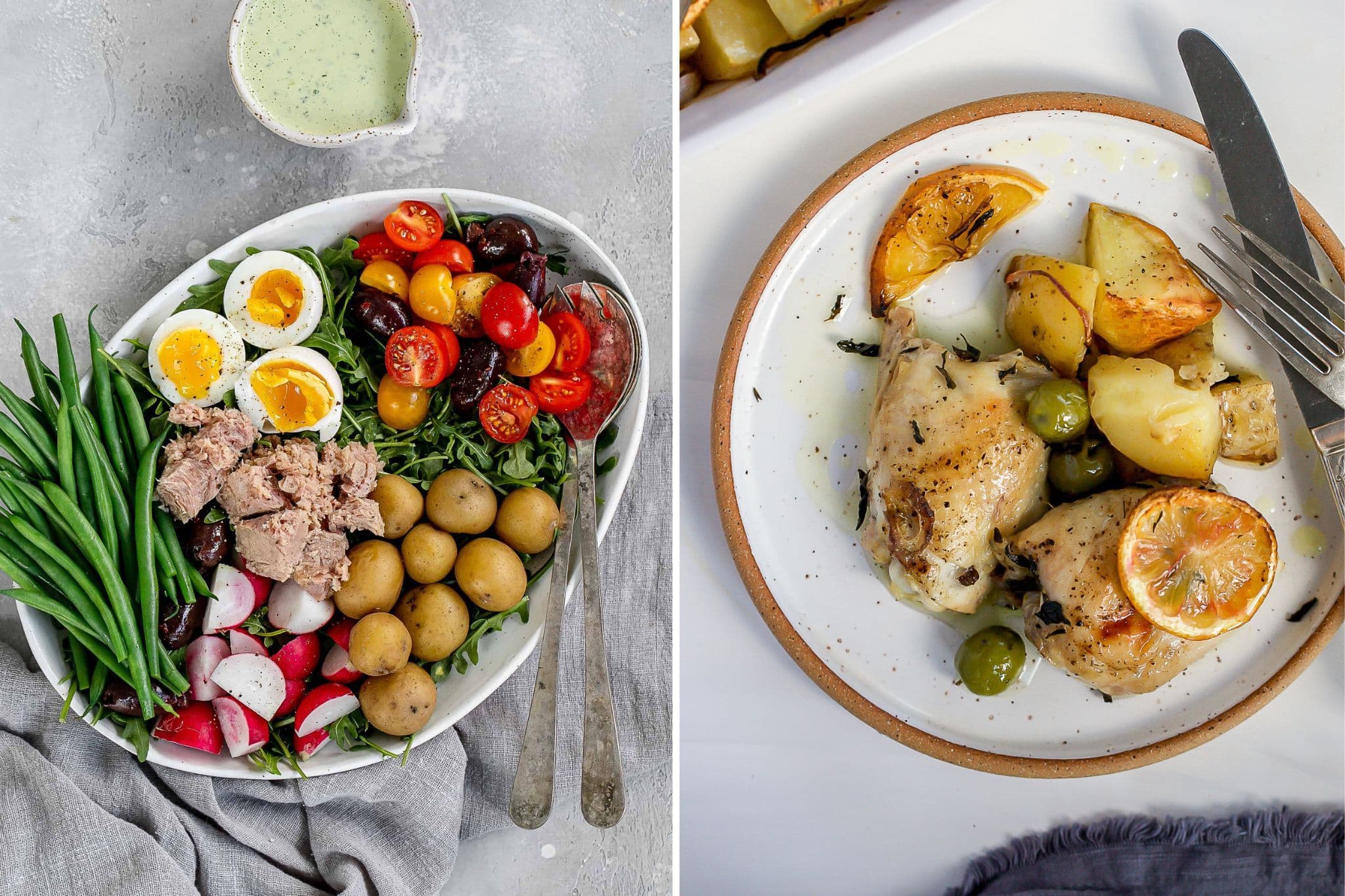
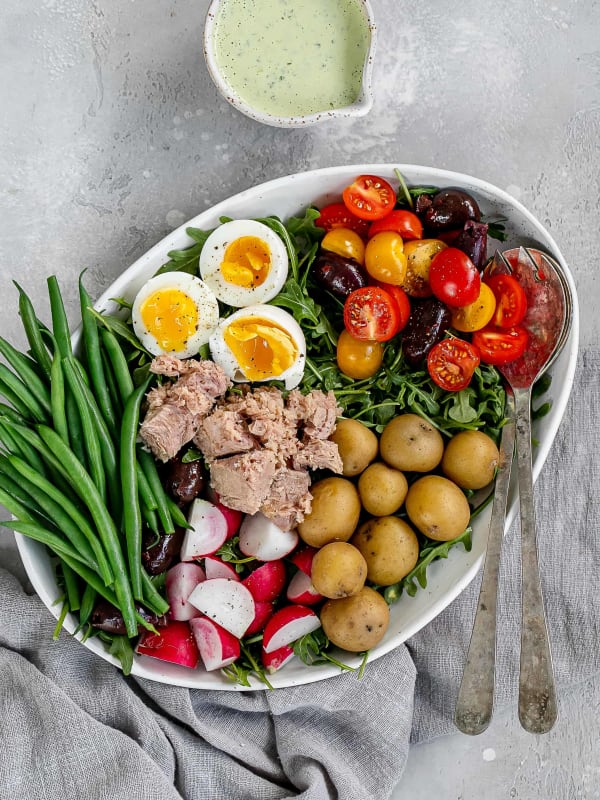
A Niçoise-style salad is a strong option for this collection because so many of the core ingredients are naturally low FODMAP. Eggs, tuna, potatoes, green beans, arugula, tomatoes and radishes create a satisfying meal that offers protein, fibre and plenty of texture without relying on garlic, onion or wheat-based ingredients. The basil mayonnaise dressing also keeps things creamy without using lactose-containing dairy, which is helpful for readers who are limiting lactose during the elimination phase. This recipe is filling enough for lunch or dinner and has the kind of balanced plate structure that can make low-FODMAP eating feel less restrictive.
FODMAP-friendly tip: This recipe is already a strong low-FODMAP option. Just check that the mayonnaise does not contain garlic or onion, and keep green beans to a moderate serving if you are in the elimination phase.

Jaclyn Irwin
This mason jar salad is a practical low-FODMAP lunch option because it’s built around chicken, romaine, tomatoes, cilantro and a simple creamy dressing. Chicken is naturally free of FODMAPs, while romaine and tomatoes are easy vegetables to include during the elimination phase. The mason jar format also makes this a helpful meal-prep recipe, especially for anyone who finds low-FODMAP eating more manageable when meals are planned ahead. The main ingredients to adjust are the Greek yogurt, red onion and Cajun seasoning. Regular Greek yogurt may contain lactose, red onion is high FODMAP, and spice blends often include garlic or onion powder.
Easy low-FODMAP swap: Use lactose-free Greek yogurt, omit the red onion and choose a Cajun seasoning without garlic or onion powder.
Jaclyn Irwin
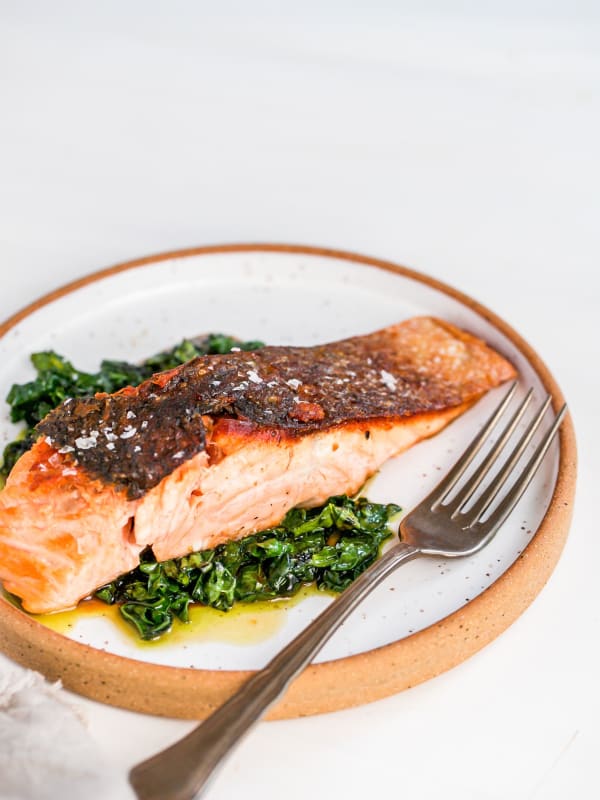
This simple salmon and kale recipe is one of the easiest fits for a low-FODMAP collection. Salmon is naturally free of FODMAPs and provides protein and omega-3 fats, while kale can be included as a low-FODMAP leafy green in reasonable portions. The sauce is also straightforward, using rice vinegar, tamari, honey and arrowroot powder. While honey is usually limited during the elimination phase, the amount here is small and can be easily replaced if needed. This recipe is a good reminder that low-FODMAP meals do not need to be complicated. A protein, a leafy vegetable and a simple sauce can still make a satisfying dinner.
Simple swap: Replace the honey with maple syrup if you are following the elimination phase closely.

Carley Nadine
Simple grain bowls are one of the easiest meals to build when following a low-FODMAP diet, and this Arctic char protein bowl proves that you don't need a long list of ingredients to create something nourishing. Arctic char is naturally free of FODMAPs and provides high-quality protein along with heart-healthy omega-3 fats. Quinoa adds fibre and plant-based protein, while arugula contributes a peppery bite without adding high-FODMAP ingredients. Hemp hearts round everything out with healthy fats and extra protein, making this a balanced meal that works equally well for lunch or dinner. One of the best things about this recipe is its flexibility, allowing you to swap proteins or grains based on what you already have at home.
FODMAP-friendly tip: This recipe is already well suited to a low-FODMAP eating pattern. If adding avocado, keep the portion small during the elimination phase.
Jaclyn Irwin
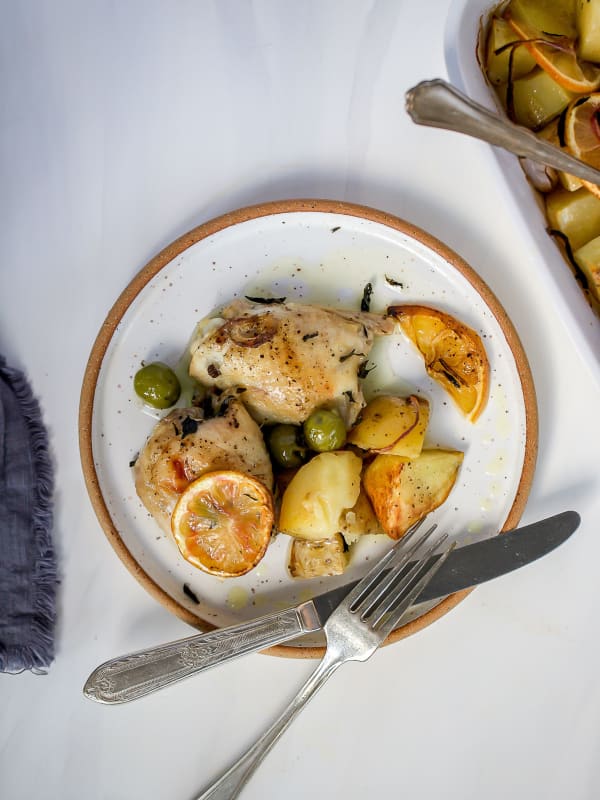
One-pan meals make low-FODMAP cooking feel much more manageable, especially on busy weeknights. This Greek-inspired chicken dinner pairs juicy chicken thighs with potatoes, olives, lemon and fresh oregano for a meal that's both comforting and full of Mediterranean flavour. Chicken and potatoes are naturally low FODMAP, while olives, lemon and herbs add plenty of brightness without relying on rich sauces or complicated ingredients. The only ingredient that requires a small adjustment is the red onion, making this one of the easiest dinner recipes in the collection to adapt while still keeping all of its original character.
Need to adjust it? Omit the red onion or replace it with the green tops of spring onions or large chunks of zucchini for a similar roasted vegetable alongside the chicken.

Tina Gravalos
Grilled kebabs are a natural fit for low-FODMAP eating because they can be built around simple proteins and vegetables. Steak is naturally free of FODMAPs, while bell peppers and zucchini are commonly used low-FODMAP vegetables in appropriate portions. This recipe is also easy to prepare and works well for summer meals, which is helpful when you want something flavourful that does not require a long ingredient list. The main issue is the garlic in the marinade and the red onion on the skewers. Both can be replaced without losing the spirit of the recipe.
Easy low-FODMAP swap: Replace the garlic with garlic-infused oil and swap the red onion for extra bell pepper, zucchini or cherry tomatoes.
Fran Allen
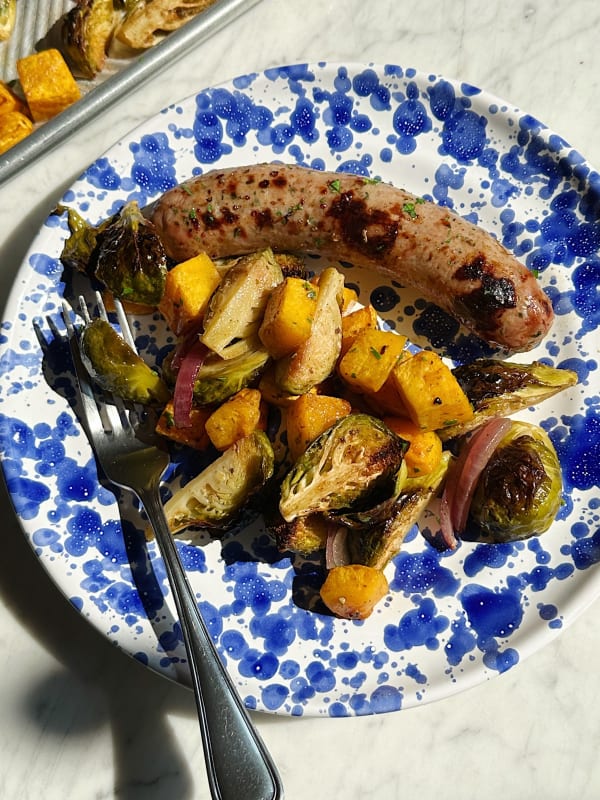
This sheet pan sausage bake is already written with a low-FODMAP adjustment in mind, which makes it a useful addition to the collection. Sausages, Dijon, maple syrup, olive oil and herbs can all work well, but the specific sausage matters because many packaged sausages contain garlic, onion or other high-FODMAP seasonings. The vegetables are also worth adjusting. Brussels sprouts and butternut squash can be tolerated in smaller servings, but larger amounts may be an issue during the elimination phase, while red onion is high FODMAP. With the recipe’s suggested swaps, it becomes a much easier one-pan dinner for readers to adapt.
FODMAP-friendly tip: Choose sausages without garlic or onion, swap the red onion for leek tops and replace the butternut squash with buttercup squash, as suggested in the original recipe.

Tina Gravalos
These lemon keftedes are a flavourful, protein-rich option that can work well in a low-FODMAP collection with a few adjustments. Lamb is naturally free of FODMAPs and offers protein, vitamin B12, zinc and iron, making these meatballs a satisfying choice for lunch or dinner. The herbs, oregano, cumin and lemony flavour also help keep the recipe bright without relying too heavily on rich sauces. The main ingredients to adjust are the grated onion and minced garlic, both of which are higher FODMAP and commonly limited during the elimination phase. Once those are swapped, these meatballs can be served with greens, rice, potatoes or a lactose-free yogurt-based sauce.
Simple swap: Replace the onion and garlic with garlic-infused oil, fresh chives or the green tops of spring onions.

Julia Gibson
This Thai green curry has a lot of low-FODMAP potential because it’s built around rice, cod, coconut milk, carrots, bell pepper, lime and herbs. Cod is naturally free of FODMAPs and provides lean protein, while rice makes this dish filling without relying on wheat-based noodles or bread. The biggest thing to watch is the curry paste and stock, since both often contain garlic, onion or other high-FODMAP ingredients. Sugar snap peas may also need to be limited depending on portion size. With a careful label check and a few swaps, this can still be a warming, satisfying dinner that feels far from restrictive.
Need to adjust it? Use a low-FODMAP curry paste and stock, replace the garlic with garlic-infused oil and swap sugar snap peas for green beans, zucchini or bok choy.
Jaclyn Irwin
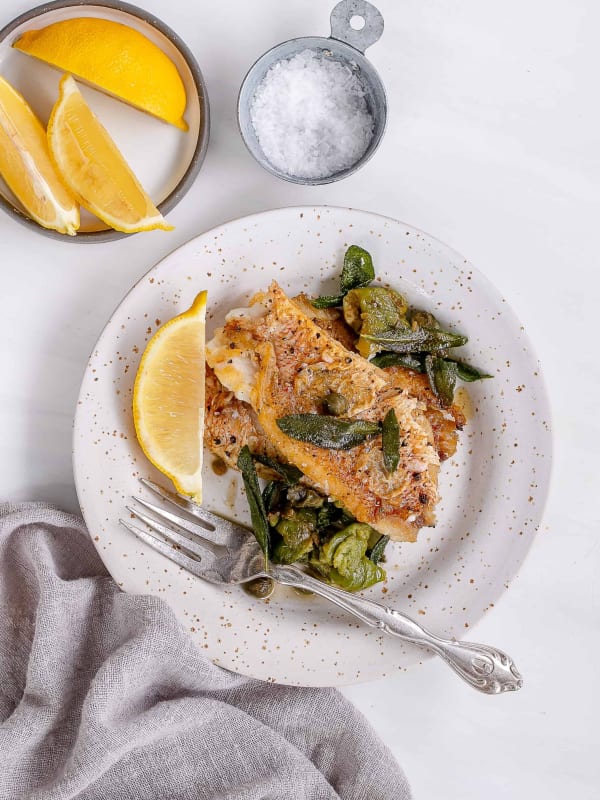
Recipes don't have to be complicated to be low FODMAP, and this crispy snapper is proof. Built around fresh fish, olive oil, butter, olives, capers and herbs, it highlights ingredients that are naturally low in FODMAPs while delivering plenty of flavour. Snapper is an excellent source of lean protein, while olives and olive oil contribute heart-healthy fats. Crispy sage and fresh lemon add brightness without relying on garlic or onion, making this one of the easiest dinners in the collection to prepare with little or no modification. Pair it with roasted potatoes or green beans for a complete low-FODMAP meal.
Simple swap: This recipe is already a great fit for a low-FODMAP eating pattern. If needed, use a lactose-free or dairy-free butter alternative.

Jaclyn Irwin
Roasted carrots are an easy low-FODMAP side because carrots themselves are naturally low FODMAP, colourful and simple to build a meal around. This recipe takes them beyond a basic roasted vegetable by serving them with herbed yogurt and a carrot top pesto, which adds freshness, healthy fats and a lot more flavour. The pesto is a smart use of the whole vegetable, with almonds, parsley, coriander, lemon and olive oil bringing texture and brightness. The yogurt base also adds creaminess and protein, but it does need a small adjustment for anyone following the elimination phase of a low-FODMAP diet. The garlic in the yogurt is the other ingredient to watch.
Easy low-FODMAP swap: Use lactose-free Greek yogurt and replace the garlic with garlic-infused oil, extra herbs or a small amount of chives.
Tina Gravalos
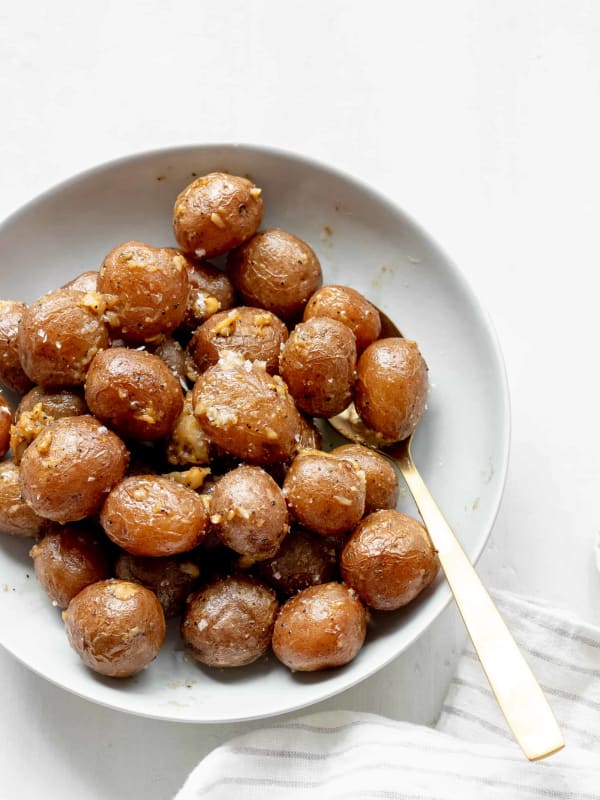
Potatoes are one of the most helpful staples to have on hand when following a low-FODMAP diet. They are naturally low FODMAP, filling and versatile enough to serve with chicken, fish, beef, eggs or a simple salad. This roasted mini potato recipe keeps things especially simple with olive oil, salt, pepper and broth, making it a practical side dish for weeknight meals or meal prep. The only real issue is the smashed garlic cloves, which add flavour but are not suitable during the elimination phase. Luckily, this is an easy fix and does not change the overall structure of the recipe.
Simple swap: Omit the garlic cloves and use garlic-infused olive oil for flavour. Check that the chicken broth does not contain onion or garlic.
Carley Nadine
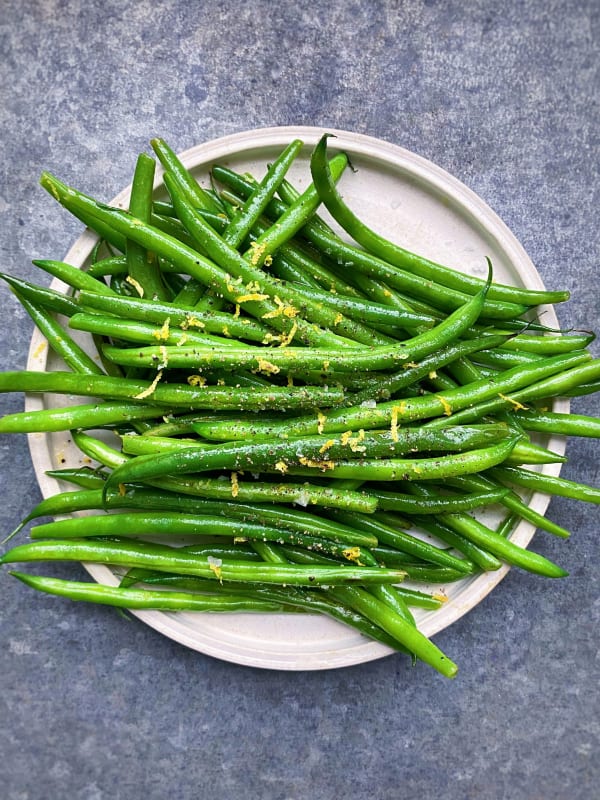
Green beans can be a great low-FODMAP side when served in moderate portions, and this recipe keeps them simple with butter, lemon, salt and pepper. It’s exactly the kind of side dish that helps round out a low-FODMAP meal without adding a long list of ingredients to think through. The lemon juice and zest keep the beans bright, while the butter adds richness without contributing much lactose in the amount used here. Pair these with salmon, chicken, steak, eggs or potatoes for a simple meal that still feels fresh and balanced.
FODMAP-friendly tip: This recipe is already a strong option. If adding extras, skip the suggested garlic and choose herbs, chilli flakes, slivered almonds or a small amount of feta instead.

Jaclyn Irwin
Coleslaw can be a little tricky on a low-FODMAP diet because cabbage and creamy dressings can depend heavily on portion size and ingredients. This version has a lot going for it, especially with carrots, radish, dill and pickles adding crunch and flavour. The Greek yogurt dressing makes it creamy while adding protein, but it should be swapped for a lactose-free version during the elimination phase. Ranch seasoning is also worth checking carefully, as many blends contain garlic or onion powder. The green cabbage may still work for some people in smaller portions, but this is one where serving size matters more than with some of the simpler sides.
Need to adjust it? Use lactose-free Greek yogurt and a garlic- and onion-free ranch seasoning. Keep the cabbage portion moderate, or use more carrots and radish if needed.
Kelsey Russell-Murray
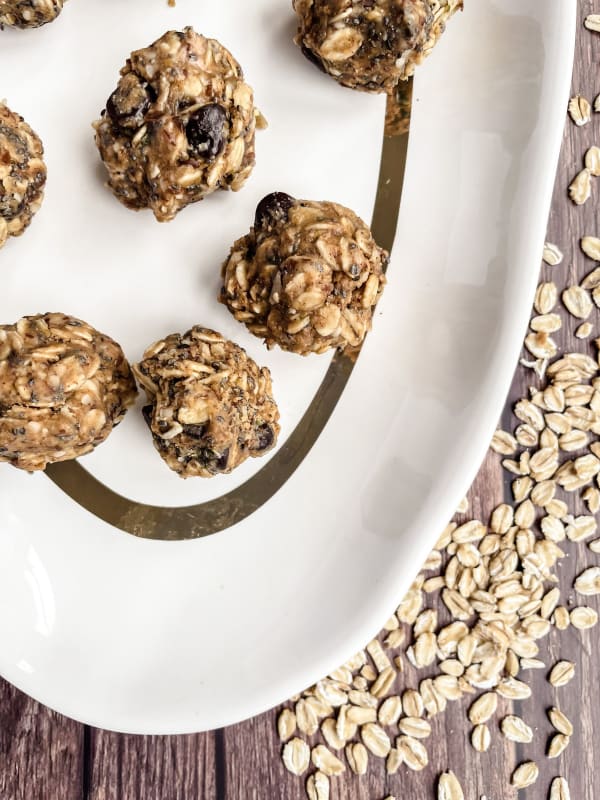
These energy bites are a practical snack for a low-FODMAP collection because they rely on oats, peanut butter, dark chocolate, seeds and maple syrup, all of which can fit into the diet in appropriate portions. They are also easy to prep ahead and store in the fridge or freezer, which is helpful when you need quick snacks that are more satisfying than grabbing whatever is around. Oats provide fibre, while chia, flax and hemp hearts add texture and healthy fats. The biggest thing to watch here is portion size, since oats, seeds and nut butter can add up quickly if you eat several bites at once.
FODMAP-friendly tip: Stick with maple syrup rather than swapping in honey or agave. Avoid the suggested cashew butter substitution, and choose peanut butter, sunflower seed butter or tahini instead.

Kelsey Russell-Murray
These no-bake peanut butter squares are a good reminder that low-FODMAP eating does not have to mean skipping dessert. Peanut butter, dark chocolate, maple syrup, ground flax and freeze-dried raspberries can all work well in appropriate portions, making this a fairly easy recipe to include. Almond flour is the ingredient to be mindful of, as serving size can matter depending on how much is used and how large the squares are cut. Since this recipe makes 12 squares, keeping to one portion is the simplest way to make it more suitable for the elimination phase.
Simple swap: Keep the serving to one square and avoid increasing the almond flour. If needed, use extra ground flax to firm the base instead of adding more almond flour.
Fran Allen
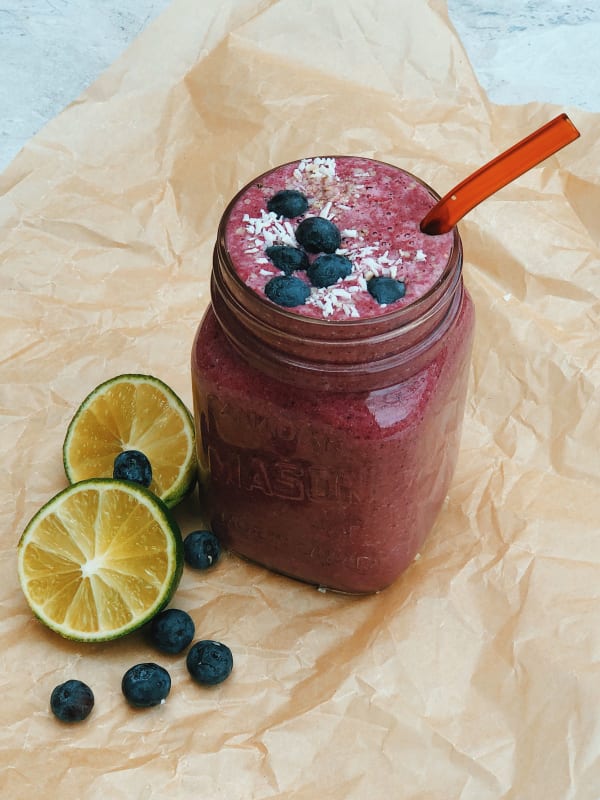
Smoothies can be hit or miss on a low-FODMAP diet because it is easy to blend several moderate-FODMAP ingredients into one drink and accidentally end up with a large serving. This blueberry coconut smoothie has a strong base with blueberries, hemp hearts, chia, ginger, lime and a small amount of coconut milk. The main ingredient to adjust is cauliflower, which is higher FODMAP and often limited during the elimination phase. The recipe already suggests frozen zucchini as an alternative, which is the better choice here. It’s also smart to be cautious with add-ins like protein powder or banana, since both can vary depending on type, ripeness and serving size.
Easy low-FODMAP swap: Replace the frozen cauliflower with frozen zucchini. Skip the banana add-in during the elimination phase, and choose a low-FODMAP-friendly protein powder if adding one.
Share this article