Popular Conditions & Diets

If drinking water feels like a full-time job (hi, same), food can help pick up some of the slack.
No, eating cucumbers does not replace drinking water entirely. But many fruits, vegetables, dairy foods, soups, and water-rich staples contribute to your overall hydration. Think of them as bonus points, especially during hot weather, busy days, or seasons where everyone in the house suddenly forgets what thirst is.
At roughly 95–96 per cent water, cucumber is basically crunchy hydration. Add it to salads, sandwiches, wraps, snack plates, smoothies, or infused water.
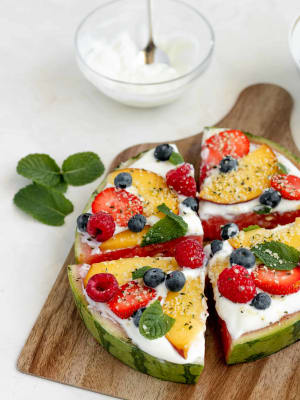
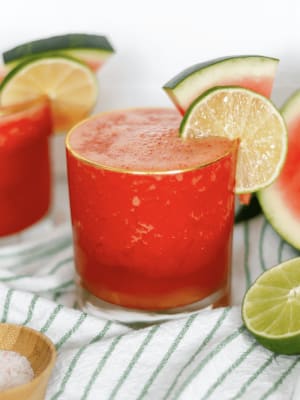
One of the ultimate hydrating foods. Naturally sweet and packed with water, watermelon works as an easy snack, frozen treat, smoothie ingredient, or salad base.
Juicy, refreshing, and surprisingly hydrating. Toss into yogurt, oatmeal, smoothies, salads, or eat by the handful.
Crisp and high in water, celery works well with dips, soups, salads, tuna or chicken salad, and lunchbox snacks.
Fresh tomatoes contain a high water content and fit into everything from salads and sandwiches to sauces, soups, and grain bowls.
Especially romaine and iceberg varieties, lettuce contains plenty of water and makes a simple way to add hydration to meals.
Easy to roast, spiralize, sauté, bake into muffins, or blend into soups, zucchini quietly adds hydration and volume to meals.
Crunchy, colourful, and water-rich, peppers are easy to snack on or toss into stir-fries, wraps, salads, pasta dishes, and sheet pan meals.
Hydrating, portable, and kid-friendly. Citrus fruits also work beautifully in smoothies, salads, and infused water.
Refreshing and water-dense, grapefruit makes an easy breakfast addition or snack for citrus lovers.
Soft, sweet, and packed with water, cantaloupe works well in fruit salads, smoothies, or eaten chilled on hot days.
Another hydration MVP with a subtle sweetness that works especially well for kids and snack boards.
Juicy summer fruit that adds hydration to yogurt bowls, smoothies, salads, or quick snacks.
Hydrating with a bright flavour that works in smoothies, salsa, overnight oats, and frozen treats.
Not as water-heavy as melon, but still contribute hydration while offering crunch and fibre.
Juicy, naturally sweet, and easy to add to lunches, oatmeal, salads, or snack plates.
Whether dairy or dairy-free, yogurt contributes fluid and makes an easy base for smoothies, breakfast bowls, dips, and frozen snacks.
Protein-rich and surprisingly hydrating thanks to its high moisture content.
Broth-based soups are an underrated hydration tool, especially when paired with vegetables and protein.
Less an ingredient and more a strategy, smoothies combine fluid-rich foods in a practical, easy-to-consume way.
While not hydrating on their own, chia absorbs liquid and works well in puddings, oats, smoothies, and yogurt bowls.
Cooked oats absorb significant liquid, making oatmeal a sneaky hydration-supporting breakfast.
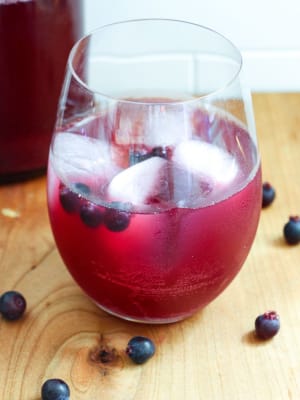
A cheat-code combo for people who hate plain water and need a little flavour motivation.
Frozen berries, mango, peaches, or watermelon make hydration feel more snack-like and help cool down hot-weather meals.
Naturally hydrating and electrolyte-containing, though not essential for most people, it can be a refreshing option in smoothies or on hot days.
If drinking water feels like a struggle (or you’re wondering whether your third sparkling water of the day somehow counts), we’ve got more hydration reads for you:
I hate drinking water. So, I’m trying to eat my hydration instead. A first-person experiment in getting more fluids through water-rich foods, smoothies, and realistic family meals.
Can you actually be too hydrated? Yes, hydration matters, but can you overdo it? Here’s what happens when “drink more water” goes too far.
Share this article