Popular Conditions & Diets

Eating during cancer treatment isn’t always straightforward. Appetite can shift, energy levels can drop, and even familiar foods may taste different from one day to the next. For many people, figuring out what to eat and what feels manageable can become an added layer of stress during an already difficult time.
This collection is designed to support both individuals going through cancer treatment and the people caring for them. If you’re preparing meals for yourself or looking for options that others can tolerate, these recipes focus on simplicity, nourishment, and flexibility.
Each recipe has been selected with real-life needs in mind. That means meals that are gentle on the stomach, easy to prepare, and adaptable depending on how someone is feeling. You’ll find options that are soft in texture, easy to portion, and rich in key nutrients like protein and fibre, without being heavy or overwhelming. Many of these recipes can also be made ahead of time or stored for later, making them practical for caregivers and families navigating busy or unpredictable schedules.
Rather than focusing on restriction or perfection, this collection prioritizes ease. Some days, a full meal may feel possible. Other days, smaller, simpler options may be more realistic. Both are valid, and both are supported here.
These recipes are not intended to treat or cure cancer, but to help make eating feel more approachable during treatment. As always, individual needs can vary, so it’s important to follow guidance from your healthcare team when making dietary choices.

Recipe by Megan Horsley
These popsicles are a simple, cooling option for people going through cancer treatment or for caregivers looking for something light and easy to offer. Made with just water, maple syrup, spirulina, and a pinch of salt, they’re especially appealing when regular meals feel too heavy or when someone is looking for a cold, refreshing snack. Their icy texture can feel soothing on a dry mouth, while the mild sweetness may be more manageable on days when appetite is low. Because they require very little prep and can be made ahead, they’re a practical recipe to keep in the freezer for treatment days, recovery days, or warm weather. These hydrating popsicles fit well into a cancer support recipe collection because they’re gentle, simple, and easy to portion. For anyone searching for supportive recipes for cancer treatment, this is a low-effort option that can help make staying nourished and hydrated feel more approachable.
Recipe by Tina Gravalos
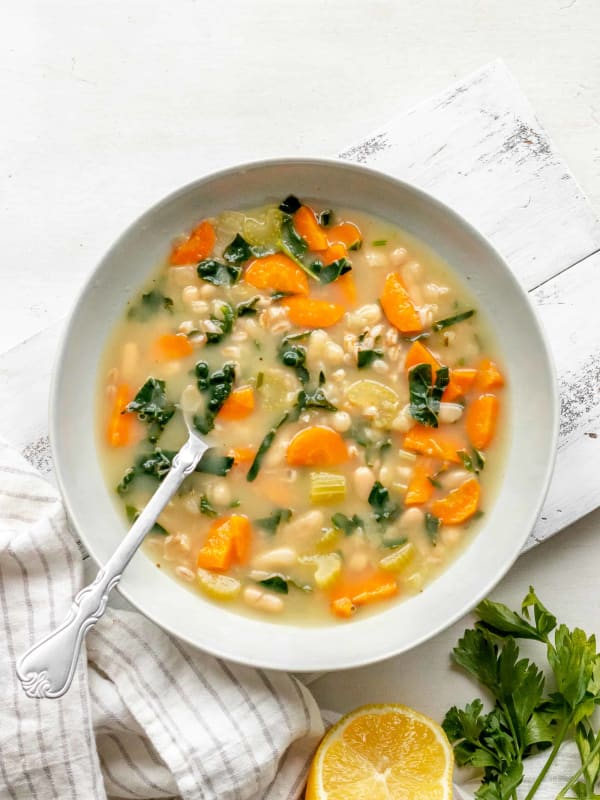
This broth-based soup combines cannellini beans, farro, carrots, celery, kale, parsley, and lemon for a light yet satisfying meal. Beans add substance and plant-based protein, while vegetables and broth keep the dish soft, spoonable, and easy to reheat. The lemon brings freshness that can help prevent the soup from feeling too heavy, especially on days when richer foods are less appealing. It also works well as a make-ahead meal for caregivers, since leftovers can be portioned and stored for later. In a cancer treatment support recipe collection, soups like this can be useful because they are flexible, comforting, and often easier to manage than larger meals. For anyone looking for supportive cancer care recipes, this lemon bean soup offers warmth, simplicity, and ingredient-driven nourishment in one bowl.

Recipe by Megan Horsley
A fresh, colourful recipe that can work well in a cancer treatment support collection when lighter meals feel more appealing. Made with spiralized carrots and zucchini, avocado, microgreens, green onion, cilantro, and a tahini miso dressing, it delivers a mix of soft crunch, healthy fats, and bright flavour. The avocado and tahini add richness, while lemon and maple syrup help round out the dressing without overpowering the vegetables. This is a useful recipe for caregivers who want to prepare something quick, visually appealing, and easy to pair with other proteins or grains, depending on appetite and energy levels. Because it comes together with minimal cooking, it can also be a good warm-weather option when heavier meals feel less manageable. In a collection focused on recipes for cancer treatment support, this salad brings variety, freshness, and flexible serving options, making it easier to build a meal around changing preferences and day-to-day needs.
Recipe by Megan Horsley
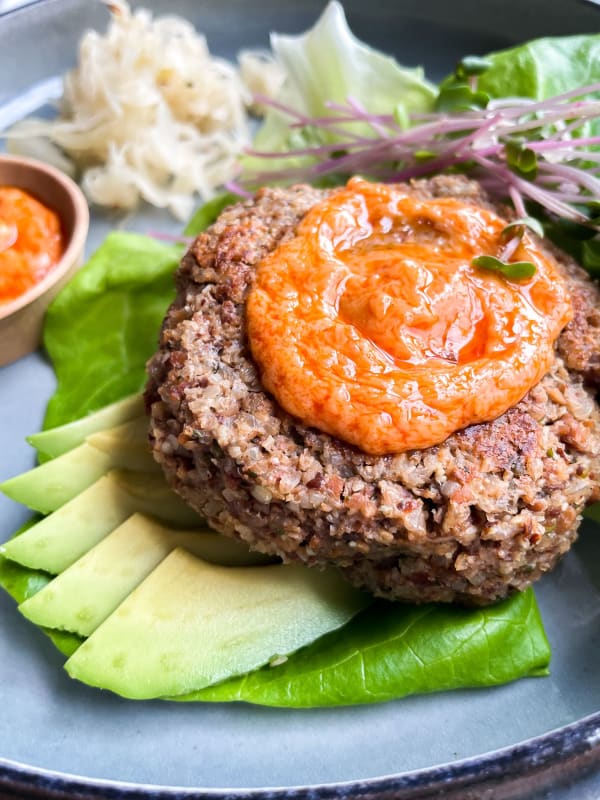
Made with mushrooms, brown rice, hemp hearts, almonds, onion, garlic, and ginger, these patties offer texture and savoury flavour in a format that can be served in different ways. They can be plated on a bun, tucked into a lettuce wrap, or served on their own alongside a softer side, making them easy to adapt depending on appetite and preference. Because they bake in the oven and can be made ahead, they’re also practical for caregivers preparing meals in batches. The mushroom and rice base gives them a familiar, comfort-food feel, while hemp hearts add extra substance. In a cancer support recipe collection, meals like this help add variety to the table without complicated steps. They’re a flexible, protein-forward recipe for days when something grounding and satisfying feels doable.
Recipe by Carley Nadine
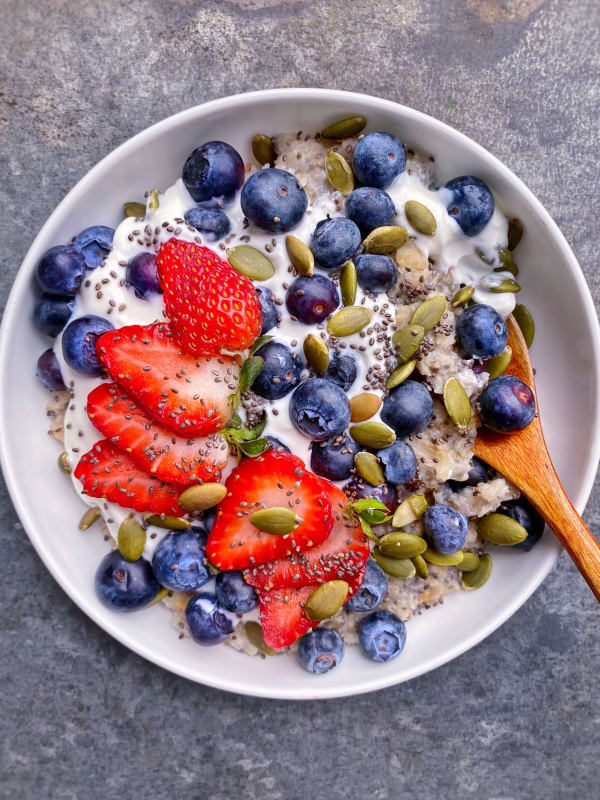
Made with gluten-free oats, chia seeds, berries, pumpkin seeds, and yogurt, it offers a soft texture and balanced mix of ingredients in a small, manageable serving. Oatmeal can be especially appealing when someone wants something mild, familiar, and easy to prepare, while yogurt adds creaminess, and the berries bring gentle sweetness and freshness. Pumpkin seeds and chia seeds give the bowl a bit more staying power without making it feel too heavy. This is also a great recipe for caregivers because it comes together quickly and can be adjusted with dairy-free options, frozen fruit, or different toppings depending on what someone is able to tolerate that day. For people searching for supportive recipes during cancer treatment, breakfasts like this can help take the pressure off. It’s comforting, practical, and easy to return to when energy is low, and simplicity matters most.
Recipe by Tina Gravalos
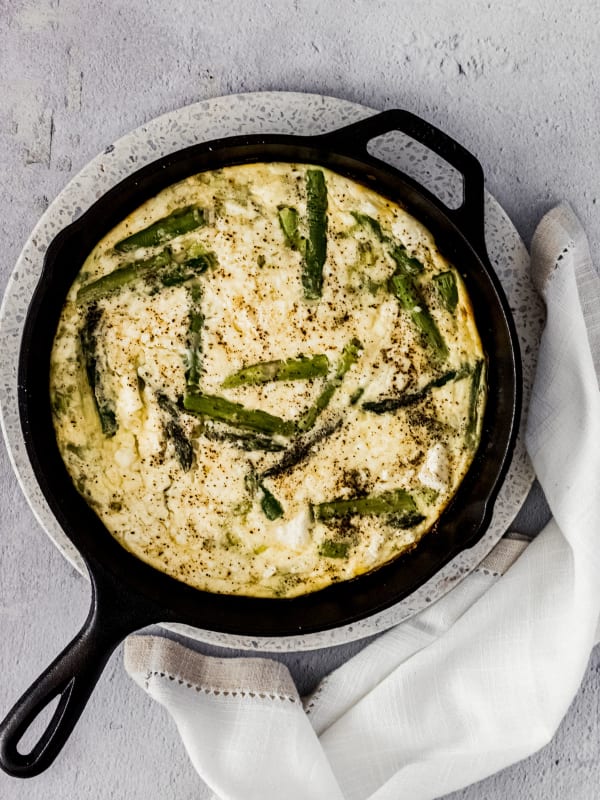
This frittata is a simple, protein-rich recipe that works well for cancer treatment support, especially when easy meal prep can make the week feel more manageable. Made with eggs, leeks, asparagus, almond milk, olive oil, and feta, this frittata bakes into a soft, sliceable meal that can be served warm or cold. Eggs make it a practical option for breakfast, lunch, or a lighter dinner, while the vegetables add flavour and texture without requiring a complicated prep process. Because it stores well in the fridge, it’s also a helpful recipe for caregivers who want to prepare something in advance and portion out as needed. The soft texture can make it easier to eat than meals that are crunchy or heavily seasoned, and it pairs well with toast, soup, or a simple side. In a cancer care recipe collection, this kind of flexible, protein-forward dish adds convenience and nourishment while making everyday eating feel less overwhelming.

Recipe by Kelsey Russell-Murray
These roasted Brussels sprouts are paired with a creamy cashew and roasted garlic sauce, then finished with nutritional yeast for added savoury flavour. While not every day calls for crisp vegetables, this recipe offers variety for times when someone wants something more robust and flavourful alongside a softer main. The roasted garlic cream helps balance the texture of the sprouts and makes the dish feel more substantial. It can also be adapted or served in smaller portions depending on appetite. For caregivers, it’s a good option when building a table with a mix of textures and choices, allowing the person in treatment to take what feels manageable. In a supportive cancer care recipe collection, dishes like this help keep meals interesting while still centring simple ingredients, homemade comfort, and flexible serving.
Recipe by Bianca Osbourne
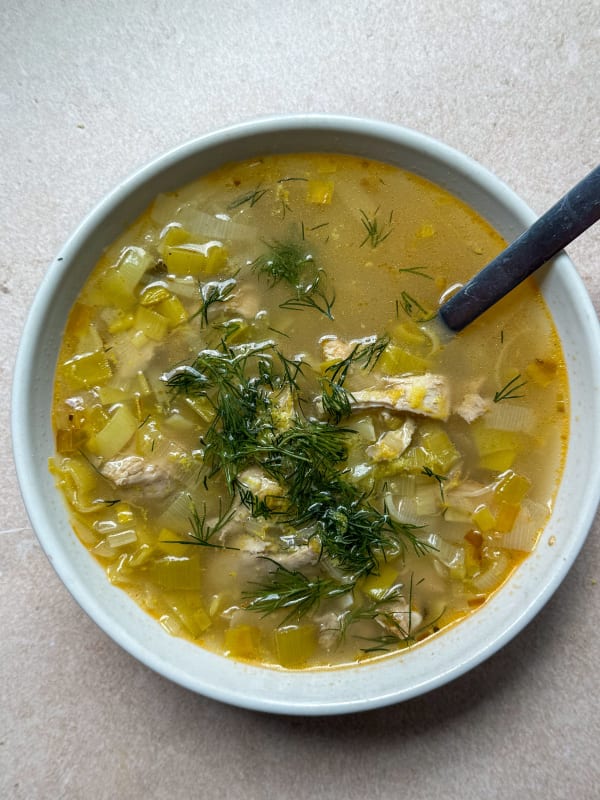
This is also a practical recipe for caregivers, since it can be prepared in one pot and served in small portions throughout the week. Made with chicken thighs, leeks, chicken stock, lemon, dill, and warm spices, it comes together quickly and offers a soft, brothy meal that can feel easier to manage than heavier dinners. Shredded chicken adds satisfying texture and substance, while the broth keeps the dish light and spoonable. Lemon and dill bring brightness, which can help break through mealtime fatigue when richer or creamier foods feel less appealing. In a collection focused on recipes for cancer treatment support, soups like this are especially useful because they combine hydration, warmth, and protein in a format that feels approachable. It’s a straightforward, flavourful option for days when comfort and ease matter just as much as nourishment.
Recipe by Kelsey Russell-Murray
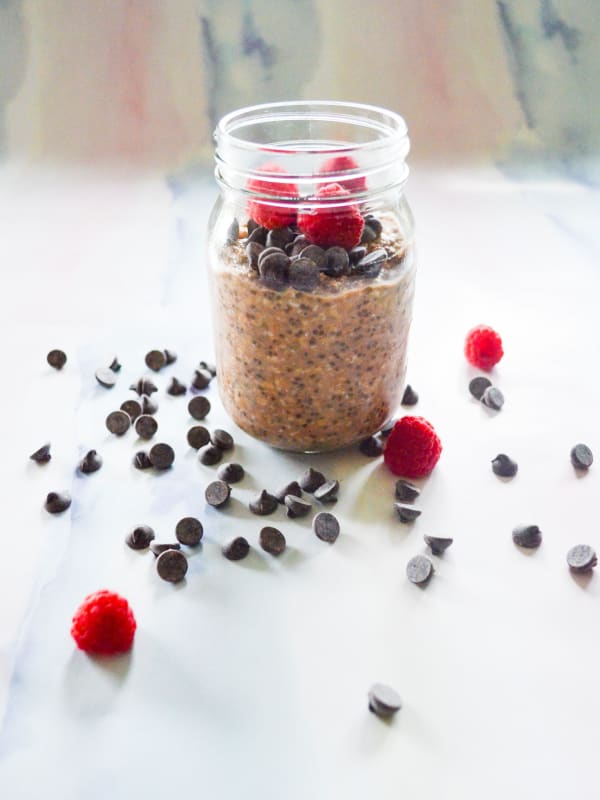
Overnight oats are an easy make-ahead breakfast for people going through cancer treatment and for caregivers who need simple, supportive options on hand. Made with oats, banana, chia seeds, cinnamon, chocolate yogurt, and coconut milk, this recipe is soft, cool, and ready straight from the fridge. That can make it especially helpful on mornings when cooking feels like too much or when a cold breakfast sounds more manageable than a hot one. The banana and yogurt create a creamy texture, while oats and chia seeds add substance in a small portion. The chocolate flavour also gives this recipe a more familiar, comforting feel, which can matter when appetite is unpredictable, and food needs to sound appealing before it can be eaten. In a cancer support recipe collection, overnight oats are valuable because they reduce effort without sacrificing nourishment. This is a practical, ingredient-focused breakfast that helps make eating feel one step easier on busy, low-energy, or treatment-heavy days.
Recipe by Megan Horsley
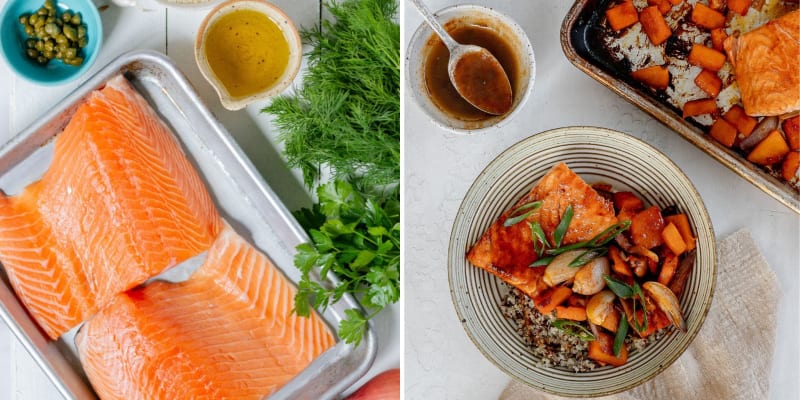
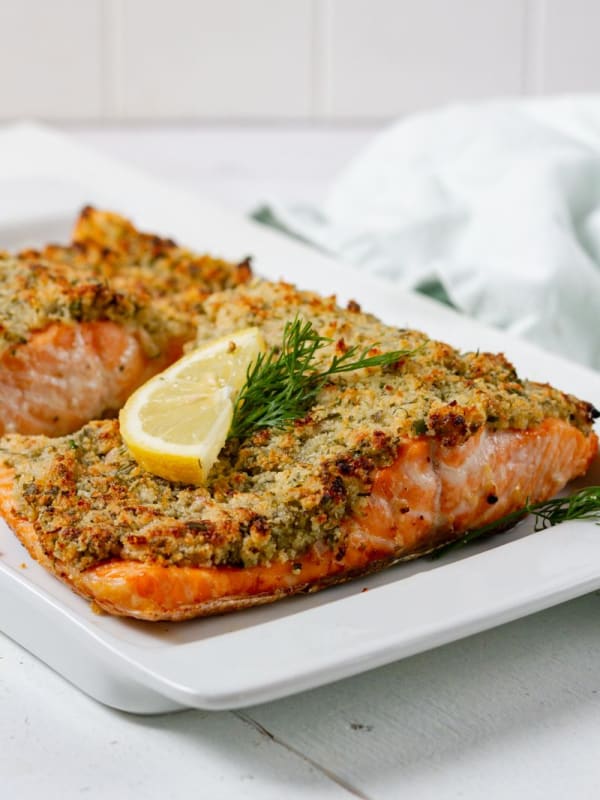
This is a quick, flavourful dinner that brings protein and freshness to a cancer treatment support recipe collection. Made with salmon, olive oil, lemon, parsley, dill, capers, garlic, shallot, and almond flour, it delivers a tender main dish with a bright herb topping that feels elevated without requiring much time. Salmon can be a useful option when someone wants a protein-forward meal that still feels lighter than heavier meats, and the soft texture makes it easier to pair with simple sides like rice, potatoes, or cooked vegetables. The lemon and herbs keep the flavour fresh, while the capers add a savoury finish that can help break up mealtime monotony. For caregivers, this recipe is especially practical because it comes together quickly and can serve a small group. In a collection built around recipes for cancer treatment support, it offers variety, ease, and a polished feel for days when a more complete dinner feels possible.

Recipe by Danielle Wiens
A simple, flavourful side that can add variety to meals during cancer treatment without requiring complicated prep. Roasted broccoli develops a slightly crisp texture, while the tahini dressing brings a creamy, savoury balance with sesame oil, garlic, and warm spices like cumin. For those navigating treatment, this dish can be served in small portions alongside softer mains or blended into bowls to adjust texture as needed. The combination of vegetables and healthy fats helps create a more satisfying side without making the meal feel heavy. It’s also easy to prepare in advance, making it a practical option for caregivers building balanced plates with minimal effort. In a cancer support recipe collection, sides like this help maintain interest in meals while still focusing on simple, whole ingredients. It’s a flexible, ingredient-forward recipe that can be adapted based on appetite, tolerance, and daily energy levels.

Recipe by Carley Nadine
Sauteed Beet Greens are a quick, no-waste side dish that fits easily into a cancer treatment support routine, especially when simple preparation is key. Made with beet greens, olive oil, salt, pepper, and a touch of lemon, this recipe highlights ingredients that cook down into a soft, tender texture. That can make it easier to pair with other dishes or serve in smaller portions when appetite is low. The mild, earthy flavour is balanced by lemon, keeping the dish light and approachable. For caregivers, it’s a practical addition to any meal, especially when using ingredients already on hand. Because it comes together in minutes, it’s also helpful on days when energy is limited, but a home-cooked element still feels important. In a collection of recipes for cancer treatment support, simple vegetable sides like this help round out meals without adding stress, offering nourishment in a way that feels manageable and adaptable.

Recipe by Megan Horsley
Sauerkraut is a simple, make-ahead recipe that can be used in small amounts to add flavour and variety to meals during cancer treatment. Made with just cabbage and salt, this fermented food develops a tangy taste and soft texture over time. While strong flavours aren’t always appealing during treatment, small portions of foods like sauerkraut can be added to bowls, sandwiches, or sides to enhance meals without requiring additional cooking. Its long shelf life also makes it a convenient option for caregivers looking to keep simple, ready-to-use ingredients on hand. Because taste preferences can shift day to day, this recipe offers flexibility, it can be used sparingly or skipped depending on what feels manageable. In a cancer support recipe collection, additions like this help build meals that feel more dynamic without increasing effort. It’s a low-cost, low-effort way to bring a different flavour element into otherwise simple, supportive dishes.
Recipe by Kelsey Russell-Murray
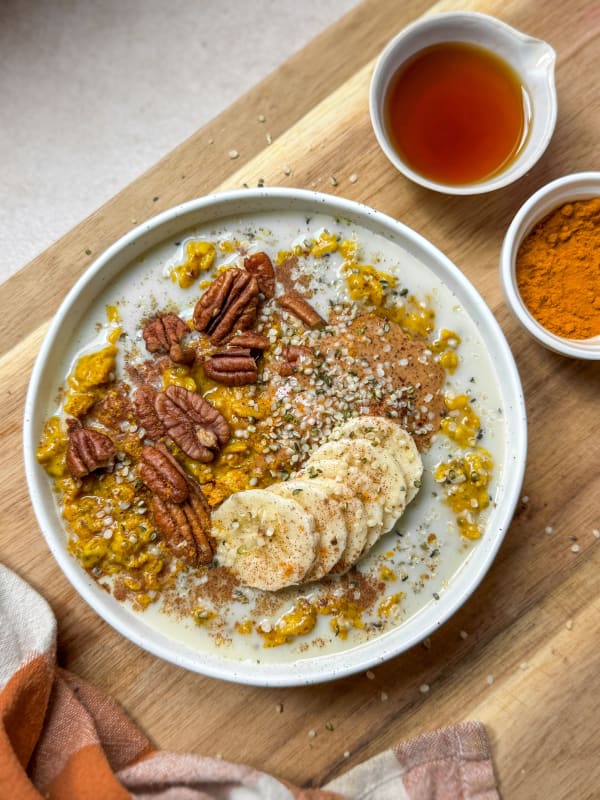
Turmeric Pumpkin Oatmeal is a warm, comforting breakfast that can be especially helpful during cancer treatment when soft textures and simple meals feel more manageable. Made with pumpkin puree, oats, coconut milk, chia seeds, and warming spices like cinnamon and turmeric, it creates a smooth, creamy consistency that’s easy to adjust depending on preference. The natural sweetness of pumpkin helps keep the flavour mild, while the coconut milk adds richness without making the dish overly heavy. This oatmeal can be served in small portions and customized with toppings like nut butter, fruit, or seeds based on appetite and tolerance. It also comes together quickly, making it a practical option for both individuals and caregivers. In a cancer support recipe collection, recipes like this provide reliable, easy-to-repeat meals that feel grounding. It’s a nourishing, ingredient-focused breakfast that supports comfort, consistency, and flexibility during treatment.
Recipe by Julia Gibson
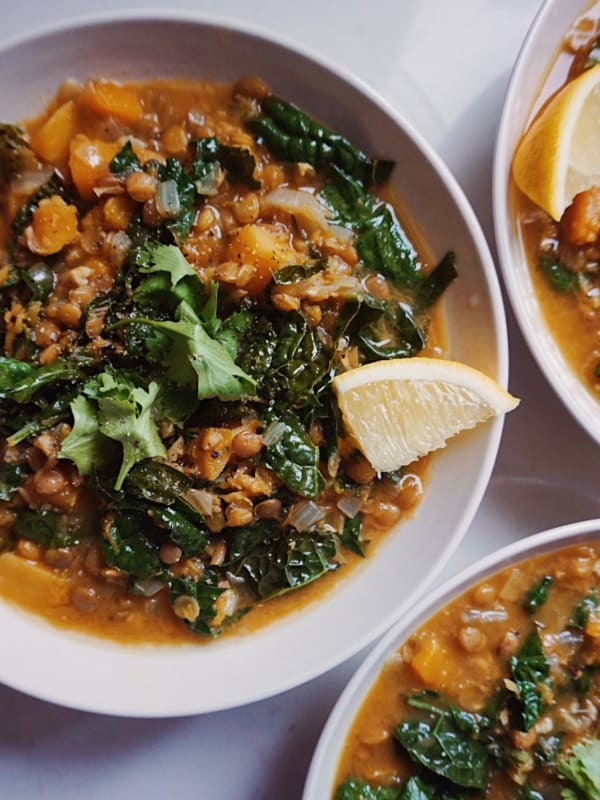
Green Lentil Vegetable Soup is a hearty, one-pot meal that brings together lentils, butternut squash, garlic, ginger, and greens in a warm, broth-based dish. For those going through cancer treatment, soups like this can be especially helpful because they combine multiple ingredients into a soft, spoonable format that can be easier to manage than separate components. Lentils provide plant-based protein and substance, while squash adds a natural sweetness that balances the savoury broth. This recipe is also well-suited for meal prep, allowing caregivers to cook once and serve throughout the week in smaller portions. The texture can be adjusted by cooking longer or blending slightly, depending on preference. In a cancer treatment support recipe collection, meals like this offer both comfort and practicality. It’s a flexible, ingredient-rich option that supports nourishment while keeping preparation simple and approachable.

Recipe by Megan Horsley
High-Protein Salted Brownie Cookies offer a familiar, comforting option for those moments when something sweet feels more appealing than a full meal. Made with banana, almond butter, protein powder, and chocolate chips, these cookies have a soft, brownie-like texture that can be easier to eat than drier baked goods. During cancer treatment, appetite can be unpredictable, and having small, ready-to-go snacks like this can make it easier to eat something rather than nothing. The ingredients come together quickly in one bowl, making this a practical recipe for caregivers preparing simple snacks ahead of time. Each cookie can be portioned individually, allowing for flexibility based on hunger and tolerance. In a cancer support recipe collection, options like this help reduce pressure around eating by offering something familiar and approachable. It’s a balanced way to include a treat that still contributes to overall nourishment in a manageable format.

Recipe by Megan Horsley
Summer Salmon Pasta Salad is a light, chilled meal that can work well during cancer treatment, especially when cold foods feel more appealing than hot dishes. Made with chickpea pasta, canned salmon, peas, fresh dill, and a creamy yogurt-based dressing, it combines protein, carbohydrates, and healthy fats in one easy-to-serve bowl. The soft texture of the pasta and salmon makes it easier to eat, while the lemon and dill keep the flavour fresh and balanced. Because it’s served cold, it can be prepared ahead of time and stored for quick meals or snacks throughout the day. This makes it especially useful for caregivers looking for low-effort, ready-to-eat options. In a cancer treatment support recipe collection, meals like this provide variety while still being practical and adaptable. It’s a refreshing, ingredient-focused dish that supports nourishment without requiring extra effort at mealtime.

Recipe by Carley Nadine
Juice is a refreshing option that can be helpful when solid foods feel less appealing during cancer treatment. This green juice, made with apple, celery, kale, parsley, ginger, and lemon, offers a light, drinkable way to incorporate fruits and vegetables in a single serving. Because it can be strained for a smoother texture, it can be adjusted based on preference and tolerance. The apple adds natural sweetness, while lemon and ginger bring brightness that helps balance the greens. This juice is best enjoyed fresh and in small portions, especially when appetite is low or hydration feels like the priority. For caregivers, it’s a simple recipe to prepare and keep on hand as an option alongside meals or snacks. In a cancer support recipe collection, drinks like this offer flexibility, making it easier to stay nourished in a way that feels manageable on any given day.

Recipe by Jaclyn Irwin
A plant-based main or side that brings both texture and flavour to a cancer treatment support meal plan. Roasted cauliflower is seasoned with warm spices and paired with a herb-based sauce made from parsley, cilantro, capers, and olive oil. While the roasted texture adds variety, the dish can be softened further by adjusting cook time or cutting into smaller pieces for easier eating. The green sauce adds brightness and moisture, helping balance the spices and making the dish more approachable. This recipe can be served on its own or alongside grains or proteins, depending on appetite and energy levels. For caregivers, it’s a versatile option that can be prepared ahead and adapted easily. In a cancer support recipe collection, meals like this help bring interest and variety while still focusing on simple ingredients and flexible preparation.

Recipe by Tina Gravalos
Simple to put together, this plant-based meal that can be adapted to suit changing needs during cancer treatment. Grilled portobello mushrooms are paired with asparagus, cherry tomatoes, onion, and fresh greens, then finished with olive oil and lime juice. The mushrooms offer a tender, meaty texture, while the vegetables add colour and variety without requiring complicated preparation. This dish can be served warm or at room temperature, making it flexible for different preferences. It can also be broken down into smaller components, allowing for easier portioning based on appetite. For caregivers, it’s a straightforward recipe that can be made quickly and adjusted depending on what feels manageable that day. In a cancer support recipe collection, meals like this provide balance, simplicity, and flexibility, helping make mealtime feel less overwhelming while still offering a complete, satisfying plate.
Share this article