Popular Conditions & Diets

GLP-1 medications like Ozempic, Wegovy, and Mounjaro do more than change hunger; they change how food feels.
Meals are smaller. Fullness arrives quickly. Side effects like nausea, reflux, and constipation can show up, especially early on. That means the old “I’ll just eat less” approach doesn’t work. When calories drop, nutrition matters more.
This collection focuses on:
Because eating less only works long-term if you’re eating well.
Recipe by Julia Gibson
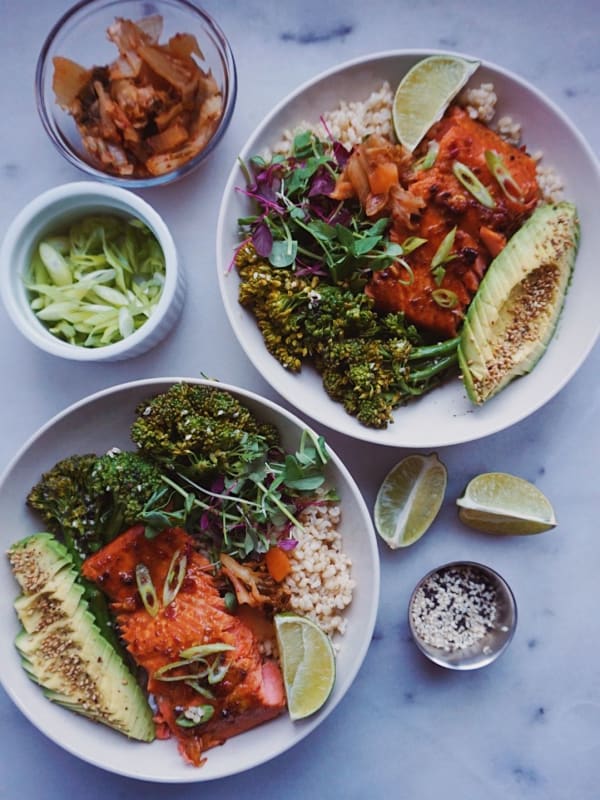
When appetite drops on GLP-1 medications, every bite has to work harder. This miso salmon bowl delivers high-quality protein to help preserve lean muscle during weight loss, along with omega-3 fats in a moderate, balanced portion. Brown rice provides steady, slow-digesting carbohydrates, while broccolini and microgreens add fibre to support digestion and help offset common side effects like constipation. The bowl format also makes it easy to scale down your portion without sacrificing nutrition. It’s structured, balanced, and satisfying without being heavy or overwhelming when fullness arrives quickly.

Recipe by Jaclyn Irwin
This mason jar salad is a smart choice when you need structure without heaviness. Lean chicken breast provides high-quality protein to help protect muscle mass during weight loss, while fresh vegetables offer fibre and hydration to support digestion. The portion-controlled format helps you respect earlier fullness cues, and the balanced yogurt-based dressing keeps fat moderate, very important when GLP-1 medications slow digestion. Because it stores well for several days, it also prevents the common trap of skipping meals and reaching for low-protein snacks.
Recipe by Kelsey Russell-Murray
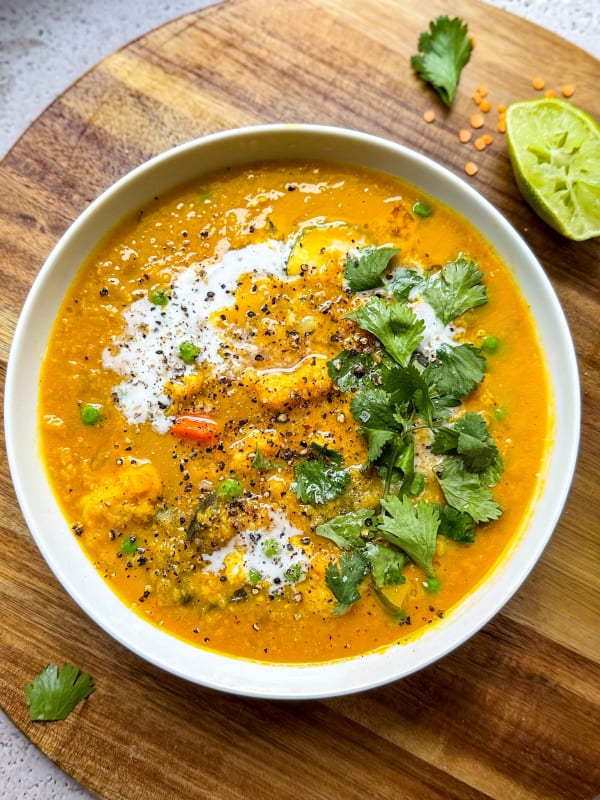
This curry is a strong GLP-1 pick because it packs a lot of nutrition into a smaller, manageable portion. Red lentils provide plant-based protein to support muscle retention during weight loss, while the mix of vegetables adds fibre that can help with constipation, one of the most common GLP-1 side effects. Coconut milk brings richness, but the overall dish stays balanced when you serve a modest portion and pair it with a slow carb like basmati rice (or enjoy it on its own). The warm spices and soft texture also make it easier to tolerate when appetite is low or nausea pops up.
Recipe by Fran Allen
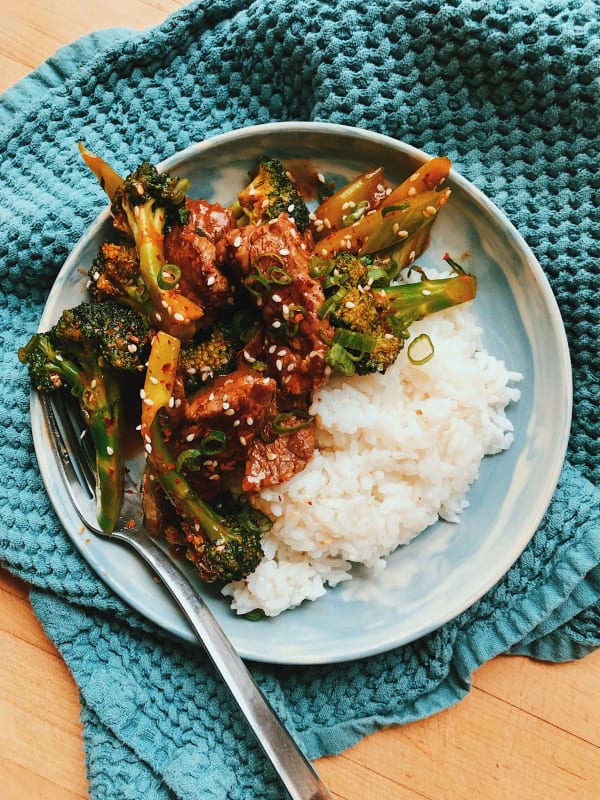
When you’re eating less on GLP-1 medications, protein needs to stay intentional, and this stir fry makes it easy. Flank steak delivers high-quality protein and iron in a satisfying but portion-flexible meal, while broccoli and celery add fibre and volume without feeling heavy. The sauce is bold, but you can keep it gentle by going light on chili flakes and serving it with a smaller scoop of rice for steady energy. It’s a practical weeknight option that supports blood sugar balance, helps protect lean mass, and avoids the heavy, greasy takeout feeling that can worsen reflux or nausea.

Recipe by Megan Horsley
This one-pot chili is built for GLP-1 eating: high-protein, fibre-rich, and easy to portion when fullness hits fast. Chicken plus cannellini beans delivers a steady mix of protein and slow carbohydrates to help preserve muscle and keep energy stable, even when your overall intake is lower. The broth-based texture is often more tolerable than heavy meals, and the fibre helps support digestion. Keep toppings simple if you’re prone to reflux, like a squeeze of lime and cilantro may feel better than lots of sour cream or spicy jalapeños. Great for meal prep, too.

Recipe by Megan Horsley
GLP-1 meals work best when they’re protein-forward, portion-friendly, and not overly heavy, and this salmon burger checks all three boxes. Wild salmon delivers high-quality protein plus omega-3 fats that support heart health, while keeping the overall meal lighter than a traditional beef burger. Sweet potato and ground flax add slow carbs and fibre, which can help support digestion and prevent constipation when intake is lower. The lemon aioli adds flavour and satisfaction, but you can use a smaller amount to keep fats moderate if nausea or reflux is an issue. Serve over greens for an easy, balanced plate that won’t overwhelm.

Recipe by Kelsey Russell-Murray
On GLP-1 medications, there are days when chewing a full meal feels like too much, and this smoothie bowl is a helpful bridge. The base is naturally fibre-rich thanks to berries, chia, and hemp hearts, which can support digestion and help counter constipation. To make it more GLP-1 aligned, add a scoop of protein powder or blend in Greek yogurt (or a higher-protein dairy-free option) to support muscle retention, not just energy. Almond butter adds staying power, but keep the portion modest if fat-heavy meals trigger discomfort. It’s customizable, easy to scale, and a gentle way to get nutrients in when appetite is quiet.

Recipe by Fran Allen
This seafood stew is a strong GLP-1 dinner because it delivers a lot of protein without a heavy, greasy feel. Cod, shrimp, clams, and mussels provide lean, easily portioned protein to support muscle maintenance during weight loss, while the tomato-based broth keeps things lighter than cream-based soups that can worsen reflux. Fennel and garlic add flavour without relying on rich sauces, and the meal can be scaled to your appetite; a small bowl can still be nutritionally dense. If you’re sensitive to acidity early on, serve with extra greens and go easy on chili flakes. Cozy, high-impact, and weeknight-friendly.
Recipe by Julia Gibson
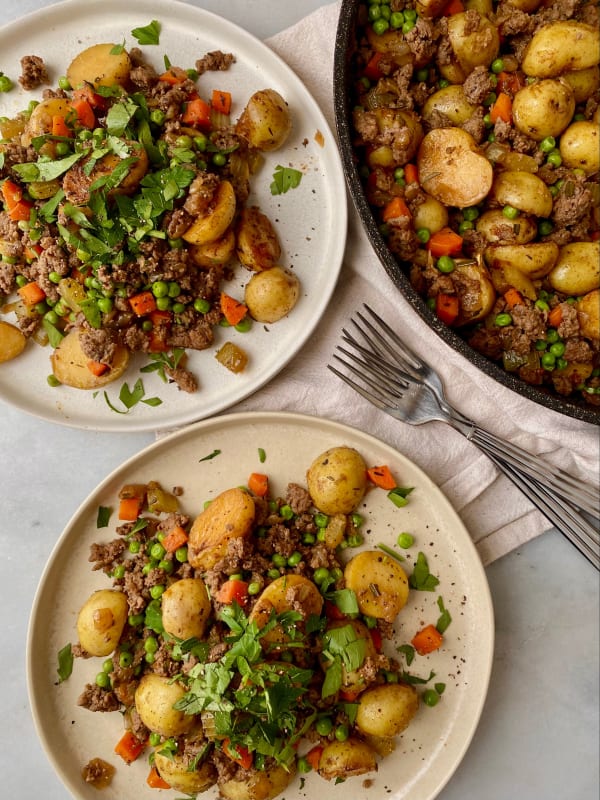
When you’re eating less on GLP-1s, comfort food has to be strategic, and this one-pan shepherd’s pie skillet makes it doable. Ground beef provides concentrated protein and iron to support energy and muscle retention, while potatoes and carrots offer slow-digesting carbs that are often easier to tolerate than refined grains. The built-in vegetables add fibre to help digestion, and the skillet format makes portioning simple: you can start small, pause, and come back if your body allows. It’s satisfying without being fussy, and it avoids the heavy, layered richness that can feel like too much when digestion is slowed.
Recipe by Fran Allen
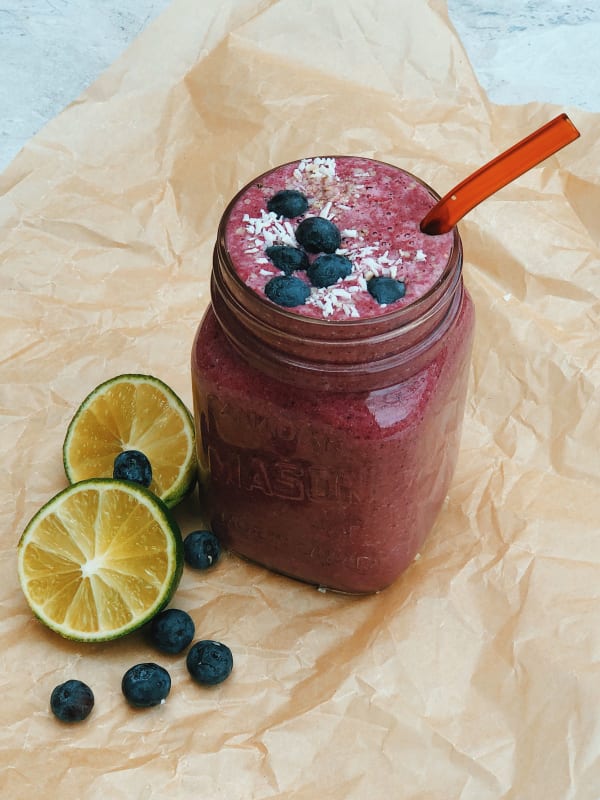
This smoothie is a great GLP-1-friendly option for mornings when hunger is low, but you still need real nourishment. Blueberries bring antioxidants in a gentle, not-too-sweet way, while cauliflower adds volume and fibre without changing the flavour much. Hemp hearts and chia contribute healthy fats and plant-based protein, giving the drink staying power in a small portion. Ginger and lime can also feel supportive when nausea or heaviness shows up. If you’re aiming to protect lean muscle while eating less, add a scoop of protein powder as suggested, or pair it with a boiled egg or yogurt on the side.
Recipe by Tina Gravalos
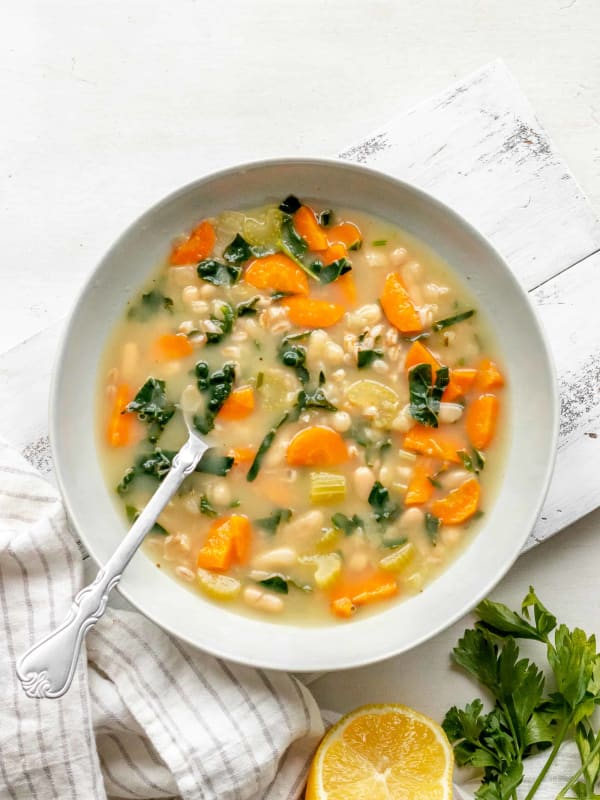
On GLP-1 medications, soups can be a perfect “eat less, but eat better” meal, warm, hydrating, and easy to portion. This lemon bean soup pairs cannellini beans with farro for a fibre-rich, slow-carb base that supports steady energy and can help prevent constipation. The beans also add a boost of plant protein, making it more satisfying than a basic vegetable soup when your overall intake is lower. The bright lemon flavour keeps things fresh, but if reflux is a concern, start with a smaller squeeze of lemon and build up to tolerance. It’s a simple, nourishing bowl that works especially well for meal prep.
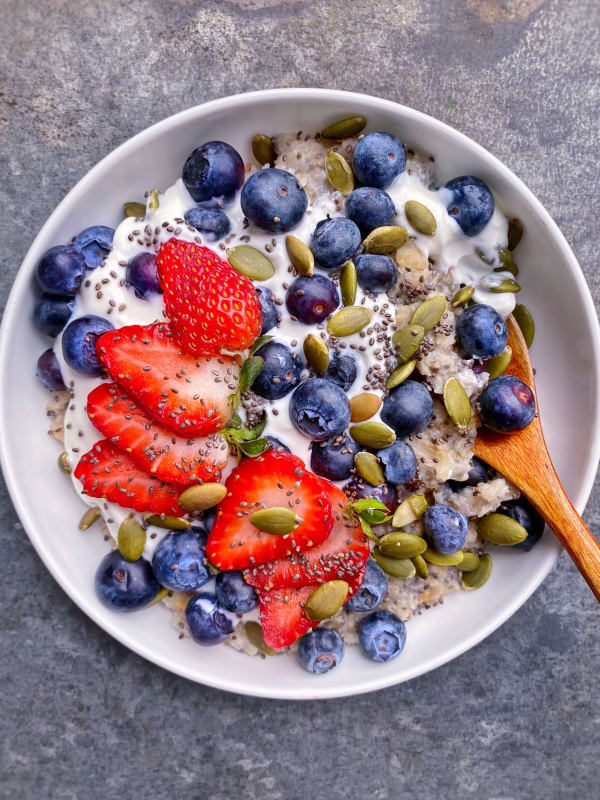
Recipe by Carley Nadine
This is the kind of GLP-1 breakfast that keeps things steady: warm, gentle, and nutritionally dense without being heavy. Oats and chia provide slow-digesting carbs and soluble fibre, which can support digestion and help with constipation. Greek yogurt adds concentrated protein in a small amount, which is useful when your appetite is quieter, but muscle maintenance still matters. Berries bring freshness and antioxidants without relying on refined sugar, and pumpkin seeds add extra protein, magnesium, and healthy fats. If fullness hits fast, start with a smaller bowl and save the rest. This one reheats well and still feels satisfying in a half portion.
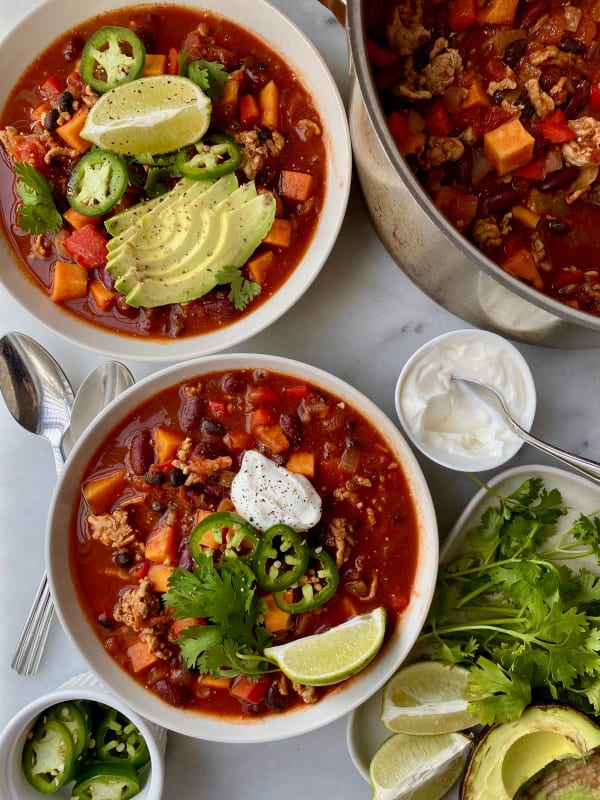
Recipe by Julia Gibson
This chili is a strong fit for GLP-1 eating because it builds a satisfying meal around protein and fibre, two things that matter even more when you’re eating less. Ground turkey keeps it lighter than traditional beef chili while still delivering muscle-supporting protein, and the beans add both fibre and slow carbs for steadier blood sugar and better digestion. If nausea or reflux is an issue, go easy on the cayenne and skip the jalapeños, then lean on lime and cilantro for brightness instead. It’s also ideal for meal prep: small bowls reheat well, and you can portion it based on your new fullness cues.

Recipe by Tina Gravalos
When GLP-1 medications reduce appetite, compact, high-protein meals become a smart move, and these lamb meatballs deliver. Lean ground lamb provides complete protein, vitamin B12, and key minerals that support energy and strength during weight loss. Because they’re baked and finished in the pan, they’re satisfying without being overly rich or greasy, which can help if heavier meals trigger discomfort. Serve them over greens for a lighter plate, or add a small serving of a slow carb like roasted potatoes or farro if you need more staying power. They also store well, making it easier to avoid skipped meals and low-protein snacking.

Recipe by Megan Horsley
This is a GLP-1-friendly comfort-food swap that keeps the meal lighter while still feeling like dinner. Zucchini noodles reduce heaviness and help with portion volume, while eggplant adds fibre and antioxidants. The cashew “cheese” brings creaminess, but because fats can sit longer in the stomach on GLP-1 medications, it’s best used in a moderate scoop, enough for satisfaction, not overload. To boost the protein (and support muscle retention), take the recipe’s suggestion and add ground meat or crumbled tempeh to the tomato sauce. It’s a practical way to keep an Italian classic in rotation while eating more intentionally.
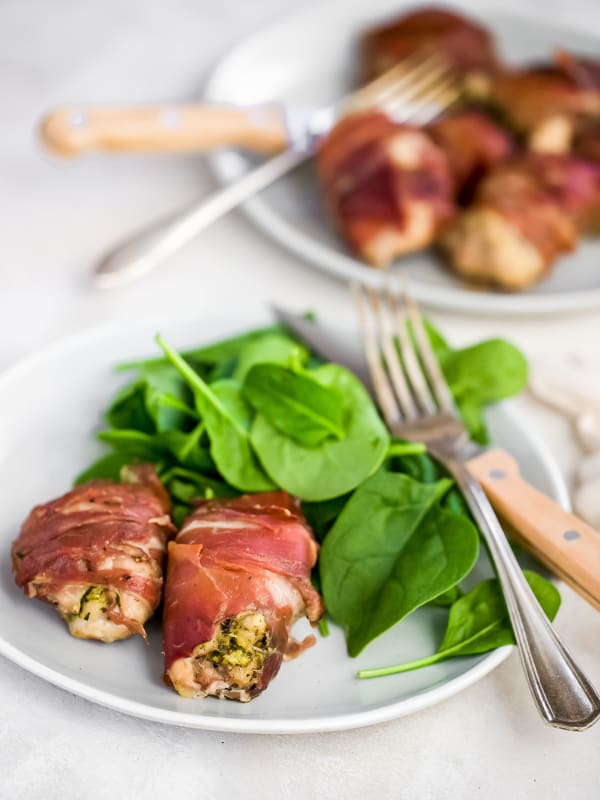
Recipe by Jaclyn Irwin
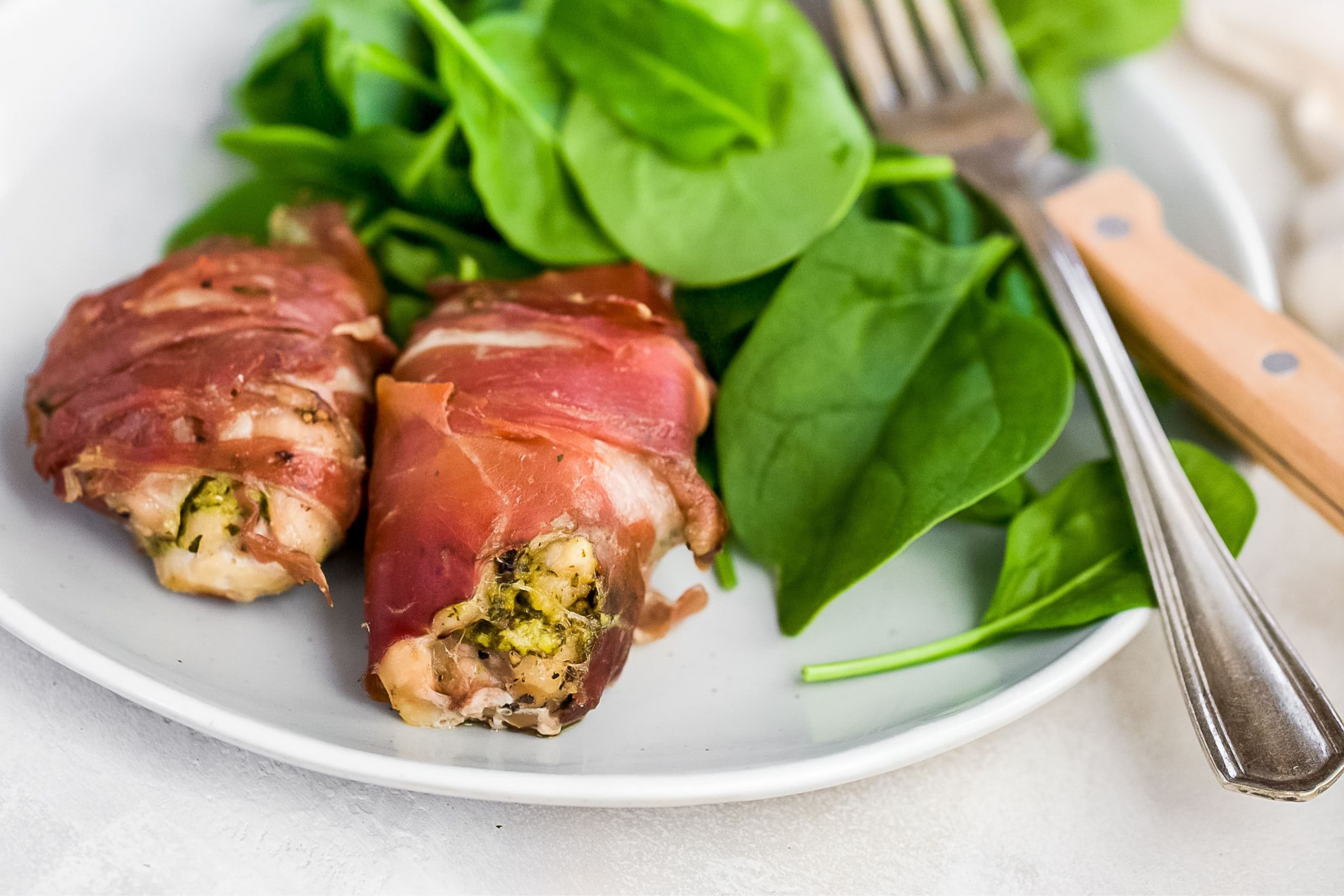
This recipe is a great example of how to keep portions smaller while still hitting your protein target. Chicken thighs provide satisfying, high-quality protein, and the pesto adds flavour so you don’t need a huge serving to feel like you ate a “real meal.” Because GLP-1 medications slow digestion, it’s smart to treat this as a moderate-fat dinner: enjoy one thigh, pair it with greens or roasted vegetables, and keep extra pesto or cheese portions in check if reflux or nausea is acting up. It’s simple, feels a little fancy, and works well for meal prep, which helps prevent the skip-meal-then-snack cycle.
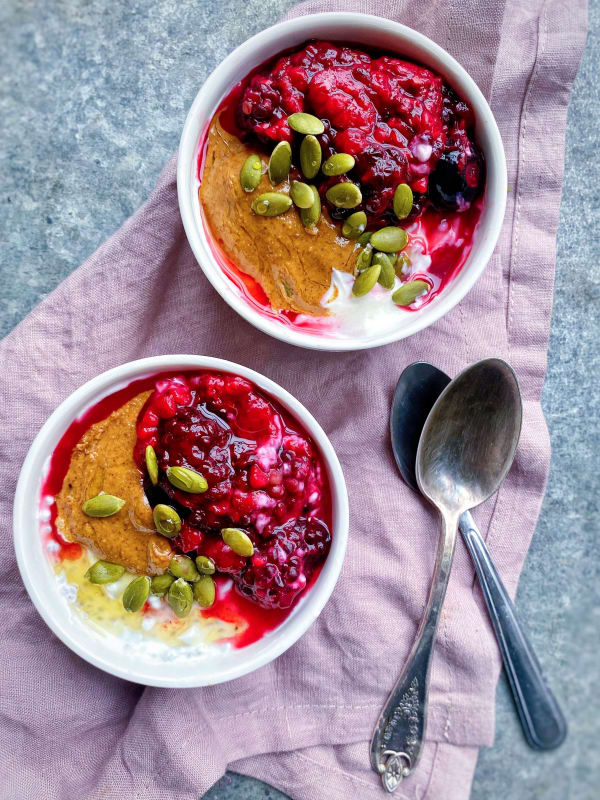
Recipe by Carley Nadine
When solid food feels like too much, this protein-rich yogurt bowl is a simple, strategic option. Greek yogurt delivers concentrated protein in a smaller volume, which is ideal when you’re aiming for 20–30 grams per meal but can’t manage large portions. Chia seeds add soluble fibre to support digestion and reduce constipation, one of the most common GLP-1 side effects. Blueberries provide gentle sweetness and antioxidants without relying on refined sugar. It’s creamy, easy to tolerate, and can be prepped ahead for days when hunger cues are quiet but your body still needs nourishment.

Recipe by Fran Allen
These one-pan meatballs are ideal for GLP-1 eating because they’re protein-forward, easy to portion, and meal-prep friendly. Ground beef provides concentrated protein to support lean mass during weight loss, while oats add a small amount of slow-digesting carbohydrates and structure without making the meal heavy. The passata-based sauce keeps things lighter than creamy options, but if heartburn is an issue, go gentle on the harissa and consider serving with a mild base like rice or quinoa instead of something acidic on the side. The best part: you can eat a few meatballs, pause, and save the rest, no wasted effort when fullness shows up fast.

Recipe by Tina Gravalos
This one-pan meal is a solid GLP-1 dinner when you want something simple, satisfying, and not overly bulky. Pork chops offer high-quality protein in a compact serving, helping you stay on track with muscle maintenance even if you’re eating less overall. Apples and onions bring gentle sweetness and fibre, and the savoury sage keeps the flavour rich without relying on heavy sauces. Because the recipe uses butter and olive oil, you can keep digestion comfortable by using a lighter hand with the pan sauce if fats tend to trigger nausea. Pair with a side of greens or steamed vegetables for extra fibre and balance.

Recipe by Megan Horsley
Chicken cacciatore is a GLP-1-friendly kind of comfort food: protein-forward, broth-based, and easy to portion. The drumsticks provide satisfying protein to support lean mass, while the tomato-rich sauce and vegetables add fibre and hydration, both helpful when appetite is lower and digestion can slow down. It’s also a great “small bowl, big impact” meal: a modest serving still delivers nutrients, and leftovers reheat beautifully for low-effort meals throughout the week. If reflux is an issue, keep portions smaller and skip extra spice, then balance the acidity with a simple side like sautéed greens or a small serving of whole grains.
Want the full nutrition framework behind this collection? Read How to eat while taking GLP-1 medications by Damien Zielinski for practical guidance on protein targets, “slow carbs,” and how to make food choices that reduce common side effects when appetite is lower.
And if you want more options beyond this roundup, GLP-1 is now a filterable diet on Rily. Browse our full recipe library and filter specifically for meals that support your priorities while on GLP-1 — high protein, balanced macros, nutrient-dense, and actually worth eating.
Share this article