Popular Conditions & Diets

There’s no single diet for Polyendocrine Metabolic Ovarian Syndrome (PMOS), formerly known as PCOS. But because PMOS can affect insulin sensitivity, blood sugar regulation and long-term metabolic health, what you eat can be an important part of managing the condition alongside individualized medical care.
Meals that combine protein, fibre-rich carbohydrates, healthy fats and plenty of plants can help support steady blood sugar and overall metabolic health without turning eating into a long list of restrictions. Our Rily guide to PMOS takes a deeper look at the condition, including what the new name means and the role nutrition and lifestyle can play in managing it.
For this collection, we’ve rounded up some delicious Rily recipes that make those principles. Practical, satisfying meals built around nutrient-dense ingredients that still prioritize flavour, variety and everyday ease.
And these are only a starting point. On Rily, you can filter recipes by health condition, dietary preference or restriction, and allergies to find options that better fit your individual needs. Select PMOS under health conditions to discover even more recipes aligned with PMOS-friendly eating.

Julia Gibson
This easy one-pan dinner pairs juicy lemon-garlic pork chops with caramelized acorn squash and fennel for a satisfying meal with minimal clean-up. The pork provides plenty of protein, while squash and fennel bring fibre and nutrient-rich carbohydrates to the plate. For people with PMOS, combining carbohydrates with protein, fat and fibre can be a helpful way to build balanced meals that support blood sugar management. Add a simple leafy green salad for even more fibre, colour and crunch.
Kelsey Russell-Murray
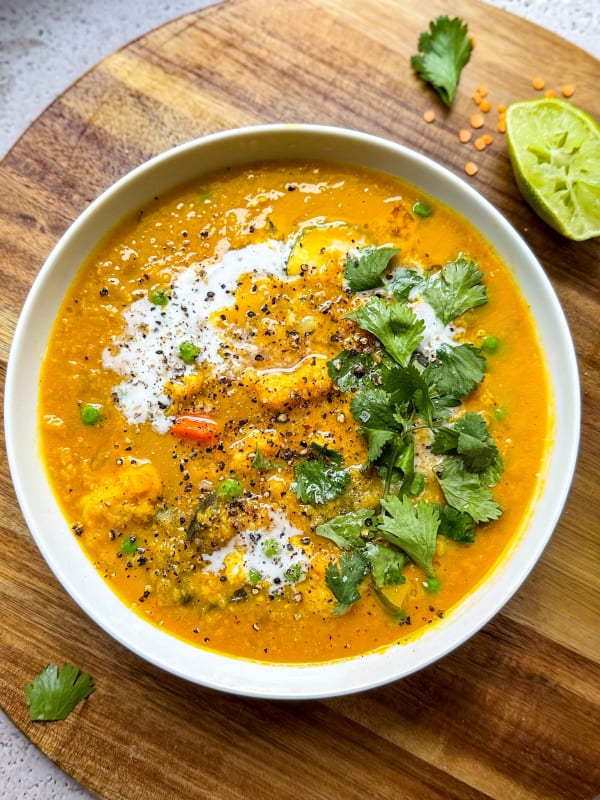
Eight different vegetables plus red lentils make this colourful curry an easy way to seriously load up on plants. Lentils provide both plant-based protein and fibre, two nutrients that can help make meals more satisfying while supporting blood sugar management — an important consideration for many people living with PMOS. Carrots, cauliflower, eggplant, zucchini and peas add even more fibre and variety, while turmeric, ginger and garlic bring plenty of flavour. Serve it as-is or alongside your favourite whole grain for a hearty plant-based dinner.

Megan Horsley
Salmon makes these flavour-packed burgers a particularly strong addition to a PMOS-friendly meal rotation. It provides high-quality protein alongside omega-3 fatty acids, while sweet potato and ground flax add fibre and the eggs contribute even more protein. Omega-3-rich foods can also be part of a heart-healthy dietary pattern, which matters because PMOS is associated with increased long-term cardiovascular risk. Serve your salmon burger over leafy greens, tucked into a whole-grain bun or alongside your favourite vegetables for an easy, satisfying dinner.

Tina Gravalos
This Greek-inspired ratatouille is basically a pan full of Mediterranean goodness: zucchini, potatoes, bell peppers, tomatoes, onion and garlic roasted with extra-virgin olive oil and herbs. The variety of vegetables provides fibre and an assortment of plant compounds, while olive oil supplies mostly unsaturated fat. Mediterranean-style eating patterns are also well suited to the broader metabolic and cardiovascular considerations associated with PMOS. Since this recipe is designed as a side, pair it with fish, chicken, beans or another protein source to turn it into a balanced meal.
Tina Gravalos
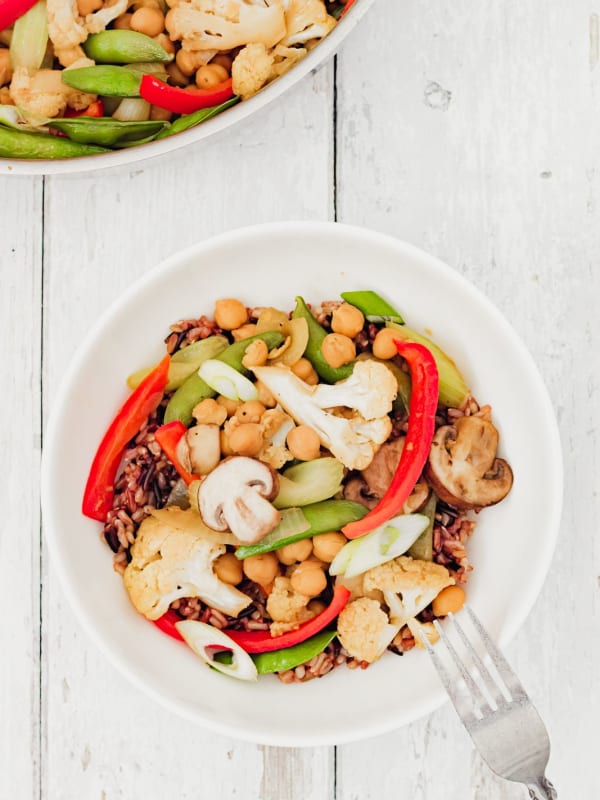
Need dinner in 15 minutes? This colourful stir-fry combines chickpeas with cauliflower, mushrooms, celery, bell pepper and sugar snap peas for a plant-packed meal that doesn’t require much planning. Chickpeas bring both fibre and plant-based protein, a combination that can help with fullness and support steadier blood sugar after meals. That makes legumes a particularly useful pantry staple when building meals with PMOS in mind. Enjoy the stir-fry on its own or serve it with brown rice, quinoa or another whole grain for a more substantial dinner.
Fran Allen
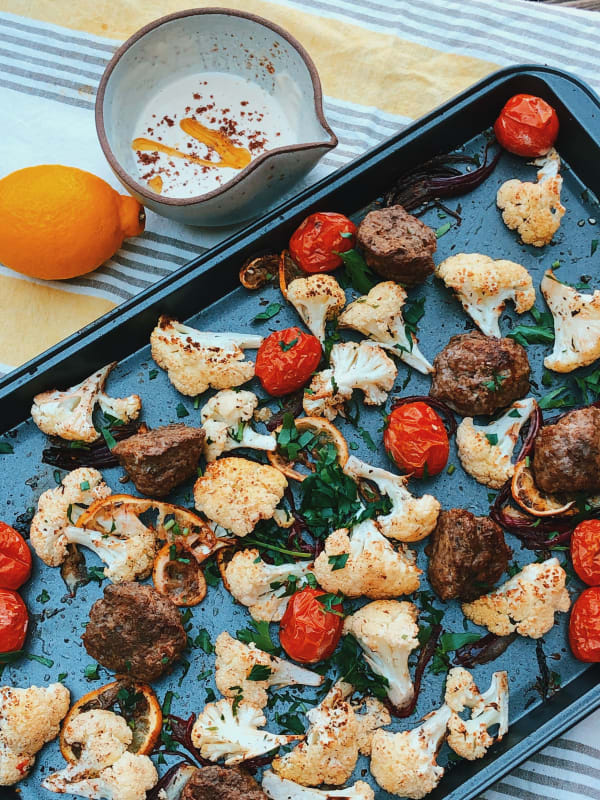
These warmly spiced lamb meatballs turn into a full sheet-pan dinner with cauliflower, tomatoes, red onion and a creamy lemon-tahini sauce. Lamb provides protein, while the vegetables contribute fibre and the tahini adds unsaturated fats and sesame goodness. That mix of protein, vegetables and fat creates the kind of satisfying plate that can work well when managing PMOS and keeping blood sugar in mind. It’s also meal-prep friendly, making it a practical option when you want something hearty waiting in the fridge for busy weeknights.

Fran Allen
Tender chicken thighs, creamy coconut milk, kale and warming spices make this braise exactly the kind of dinner you’ll want when temperatures drop. Chicken provides plenty of protein, while kale adds fibre and micronutrients and turmeric, ginger, garlic and cumin build flavour without relying on added sugar. For people with PMOS, including protein and vegetables at meals can help create a more satisfying plate while supporting blood sugar management. Serve it with brown rice, quinoa or another fibre-rich carbohydrate if you want to round out the meal.

Megan Horsley
This herby salmon takes just 12 minutes to make but brings a lot nutritionally to the table. Salmon provides protein and omega-3 fatty acids, while almond flour, extra-virgin olive oil, fresh herbs, capers and lemon create a crisp, flavourful topping. Fatty fish can be especially useful in a PMOS-friendly eating pattern because omega-3s support cardiovascular health, an important consideration given the metabolic risks associated with the condition. Add roasted vegetables, a big salad or a fibre-rich whole grain to turn it into a complete meal.

Tina Gravalos
Slow-braised lamb, potatoes, carrots, celery and tomatoes make this the kind of comfort food that earns its place on a cold-weather dinner table. Lamb is naturally rich in protein and provides nutrients including iron, zinc and vitamin B12, while the vegetables add fibre and variety. For a PMOS-friendly plate, the combination of protein, vegetables and potatoes is more balanced than focusing on carbohydrates alone. It’s also a good reminder that eating for metabolic health doesn’t have to mean living on salads — satisfying, slow-cooked meals can fit too.
Jaclyn Irwin
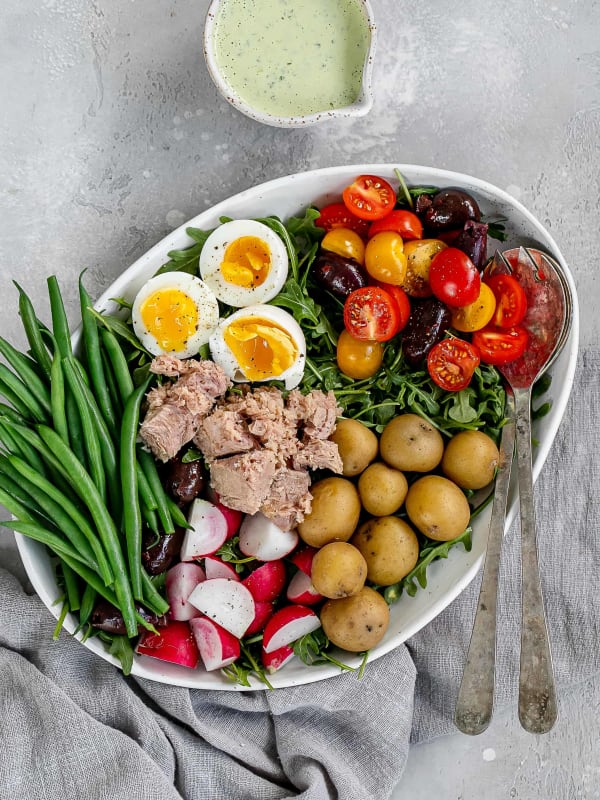
This is a salad that actually eats like a meal. Tuna and eggs deliver plenty of protein, while potatoes provide carbohydrates and green beans, arugula, tomatoes and radishes add fibre and a colourful mix of vegetables. The result brings several food groups together on one plate, which can help make meals more satisfying and support steadier blood sugar. Tuna also provides beneficial unsaturated fats, including some omega-3s. For people with PMOS looking for a filling lunch that goes well beyond a bowl of greens, this is a great place to start.
Fran Allen
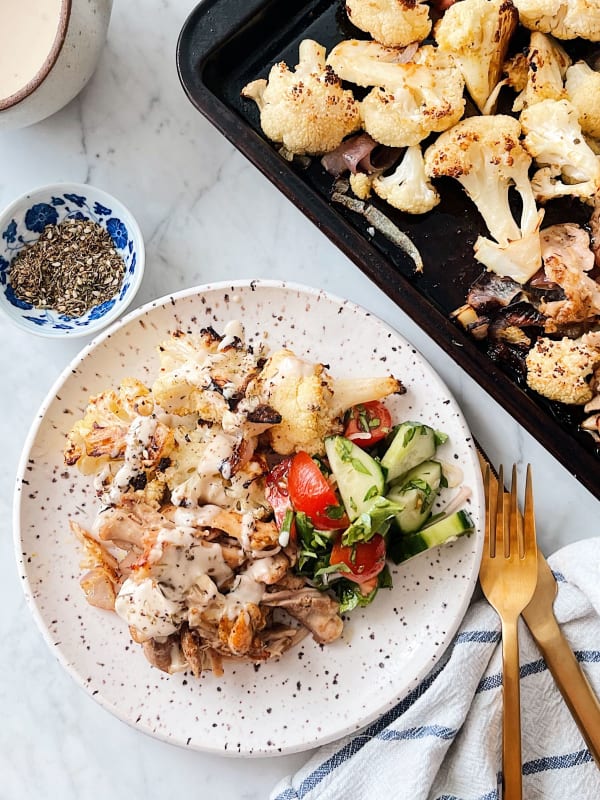
Chicken, cauliflower, red onion, tahini and plenty of warming spices come together on one pan for a dinner that feels much more exciting than its 35-minute cook time suggests. Chicken thighs provide protein, cauliflower adds fibre and tahini contributes unsaturated fats, creating a satisfying combination for people building balanced meals with PMOS in mind. Enjoy it exactly as written, add a chopped salad for more vegetables, or serve it with a whole-grain pita or another fibre-rich carbohydrate. Bonus: leftovers make an excellent next-day lunch.
Jaclyn Irwin
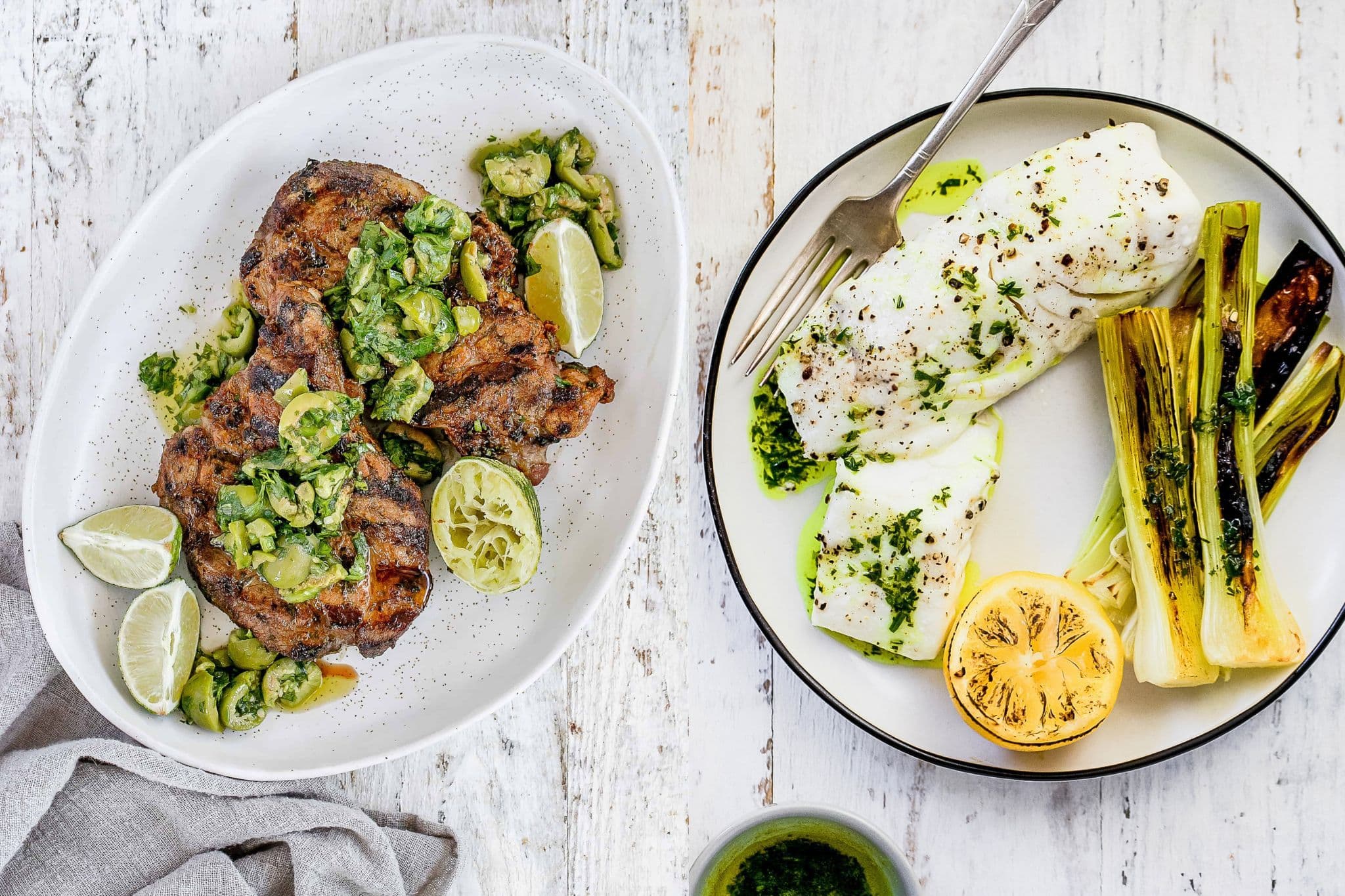
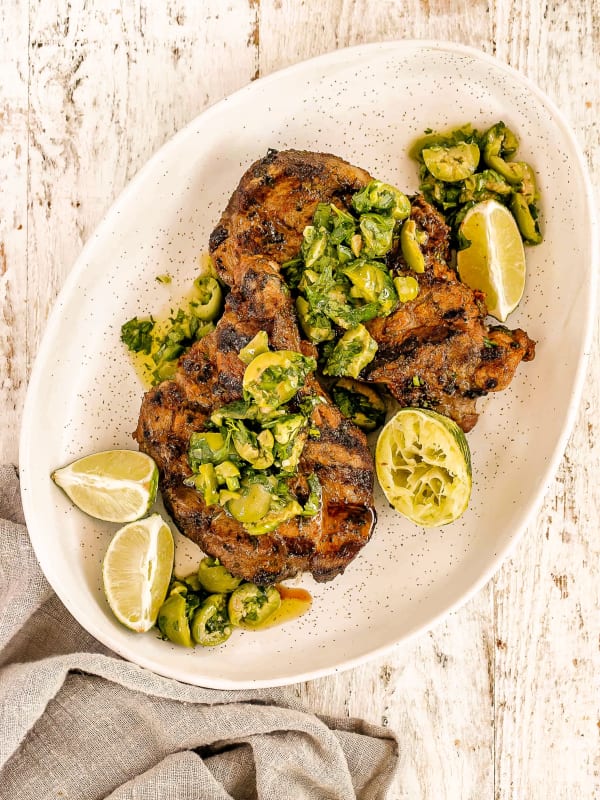
Juicy grilled pork gets a punchy Mediterranean-inspired topping of Castelvetrano olives, cilantro, lime and serrano pepper in this simple summer dinner. Pork provides plenty of protein, while olives and extra-virgin olive oil contribute mostly unsaturated fats. Protein and fat can both help make a meal more satisfying, but this recipe needs a little help from the plant department to become a more balanced PMOS-friendly plate. Serve it with grilled vegetables, a big salad or a fibre-rich side such as lentils, beans or a whole grain.

Tina Gravalos
Nacho night, but make cauliflower the base. Roasted cauliflower gets piled with seasoned ground turkey, goat cheddar, bell peppers, red onion, cilantro and jalapeño for a colourful meal that delivers protein and vegetables in every serving. Swapping tortilla chips for cauliflower also increases the non-starchy vegetable content, while turkey provides satisfying protein. For people with PMOS, that protein-and-fibre combination can be useful for building meals with blood sugar management in mind. Add guacamole for some unsaturated fat, or salsa for even more vegetables and flavour.
Tina Gravalos
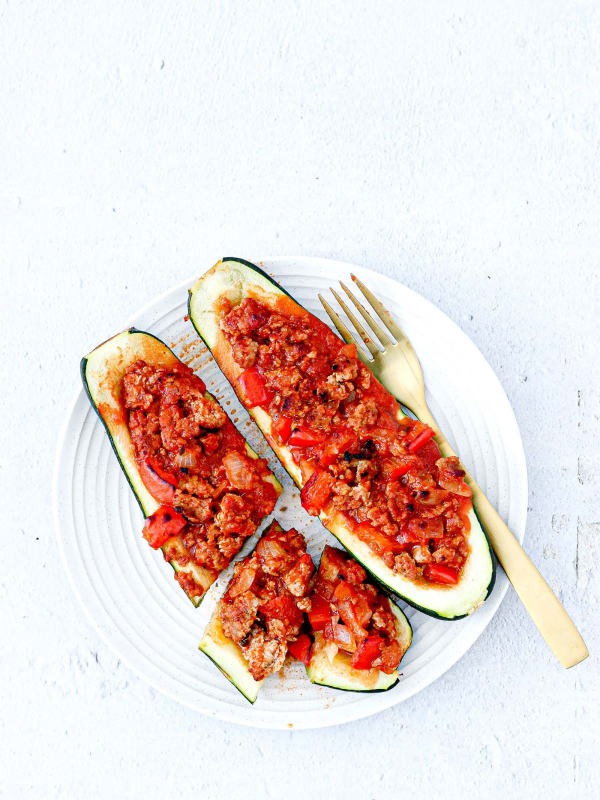
These zucchini boats pack lean ground turkey, tomato sauce, bell pepper, onion and garlic into a vegetable-forward dinner that still feels hearty. Turkey provides plenty of protein, while zucchini, peppers and tomato add fibre, vitamins and a variety of plant compounds. Pairing protein with fibre-rich vegetables is one simple way to build meals that support fullness and blood sugar management, both useful considerations for people living with PMOS. Top the boats with hemp seeds or greens, or serve them alongside a simple salad for an easy weeknight meal.
Jaclyn Irwin
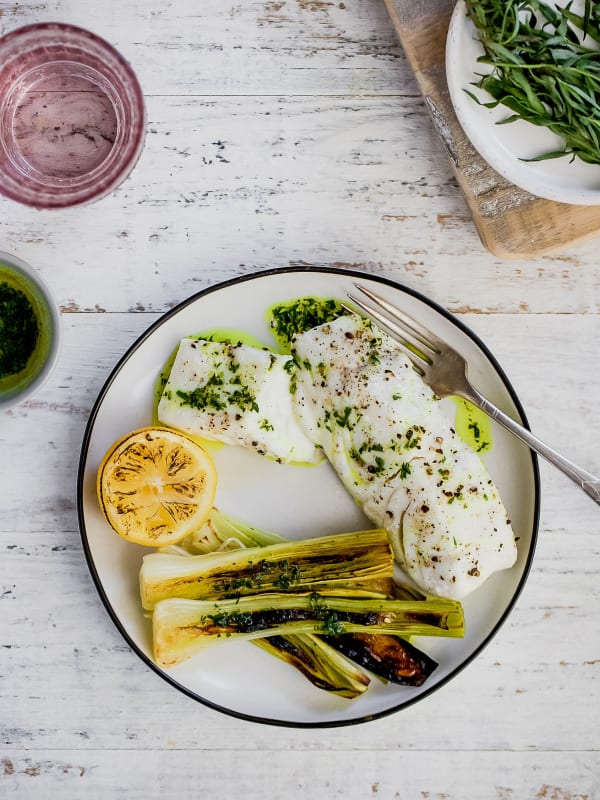
Flaky halibut, roasted leeks and lemon-tarragon butter keep this dinner simple while still delivering plenty of flavour. Halibut is a lean source of high-quality protein, while leeks add fibre and plant compounds. With very little carbohydrate in the recipe itself, you can easily customize the rest of your plate depending on your needs. For a balanced PMOS-friendly dinner, try adding roasted vegetables and a fibre-rich carbohydrate such as lentils, quinoa, barley or sweet potato to make the meal more substantial and satisfying.

Fran Allen
Smoky harissa, garlic, parsley and tomato sauce turn these beef meatballs into an easy meal-prep dinner with plenty of flavour. Beef provides protein, iron, zinc and vitamin B12, while oats add a little fibre and help bind everything together. The recipe is also flexible enough to build into a balanced PMOS-friendly plate: serve the meatballs over quinoa or another whole grain with plenty of vegetables, or pile them onto a big salad. Protein, fibre and minimally processed carbohydrate sources can all play a role in supporting metabolic health.

Tina Gravalos
Sometimes simple really does work best. These quick kebabs alternate sirloin steak with red onion, zucchini and three colours of bell pepper for a high-protein dinner that gets plenty of vegetables onto the plate too. Protein can help with fullness and, when eaten alongside fibre-rich foods, contributes to a balanced meal for people managing PMOS. The colourful vegetables also bring fibre and a range of micronutrients. Serve the skewers with a leafy salad, bean salad or whole grain if you want to add more fibre and carbohydrates to the meal.

Jaclyn Irwin
Crispy potatoes are absolutely still invited to dinner. Here, they’re paired with seared pork chops, garlic and rosemary for a simple seven-ingredient meal. Pork provides protein, while potatoes supply carbohydrates along with potassium and some fibre, particularly when the skins are left on. Pairing carbohydrate-rich foods with protein can help create a more balanced meal for people with PMOS rather than treating carbohydrates as something that needs to be avoided. Add a generous side of greens, broccoli or another non-starchy vegetable to round out your plate.

Julia Gibson
This one-pan dinner checks a lot of boxes: flaky cod, cauliflower, tomatoes, olives, almonds, herbs and extra-virgin olive oil, all cooked together with minimal clean-up. Cod provides lean protein, cauliflower and tomatoes contribute fibre and micronutrients, and the olives, almonds and olive oil bring satisfying unsaturated fats. It also draws heavily on Mediterranean-style ingredients, making it a natural fit for an eating pattern focused on metabolic and cardiovascular health. For people with PMOS, it’s an easy example of a balanced, vegetable-forward dinner that doesn’t feel remotely restrictive.
Fran Allen
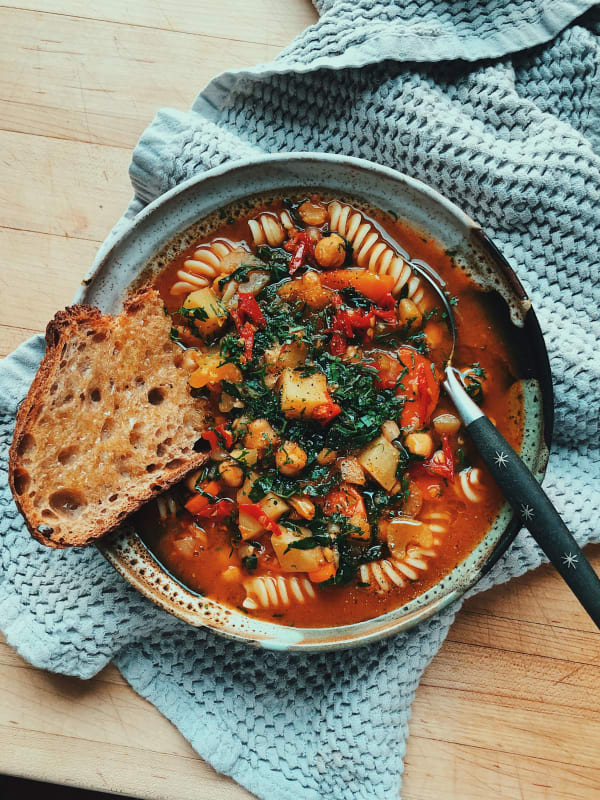
This cozy minestrone packs chickpeas, kale, carrots, celery and potatoes into one hearty, plant-based bowl. Chickpeas are especially helpful here, providing both fibre and plant-based protein, while the mix of vegetables adds even more fibre and nutrients. For people with PMOS, fibre-rich foods such as legumes and vegetables can be valuable additions to an eating pattern focused on blood sugar and metabolic health. It’s also an easy meal-prep option that tastes just as good the next day, making balanced eating a little easier during a busy week.
Share this article