Popular Conditions & Diets

If you’ve searched for foods that boost testosterone naturally, you’ve probably encountered some pretty big promises. Eat more steak. Load up on eggs. Take zinc. Add a handful of supposedly testosterone-boosting foods to your diet, and watch your levels climb.
The reality is less dramatic, but nutrition does matter for healthy testosterone levels.
Your body needs adequate calories, protein, and dietary fat to support normal hormone production. Nutrients including zinc, magnesium, and vitamin D are also involved in reproductive and hormonal health, and deficiencies may be associated with lower testosterone levels. Correcting a deficiency is different from “boosting” already-normal testosterone, though. Eating six eggs instead of two, or loading every meal with zinc, won’t necessarily send testosterone soaring.
A better strategy is to regularly eat a varied, nutrient-dense diet that provides the building blocks your body needs. These 15 testosterone-supporting recipes feature foods including beef, shellfish, salmon, eggs, pumpkin seeds, legumes, nuts, and tahini to help you do exactly that.
And if you’re experiencing symptoms of low testosterone, including changes in sex drive, erectile function, energy, mood, or muscle mass, food shouldn’t replace a conversation with your healthcare provider. Low testosterone can have several causes and requires proper assessment.
Megan Horsley
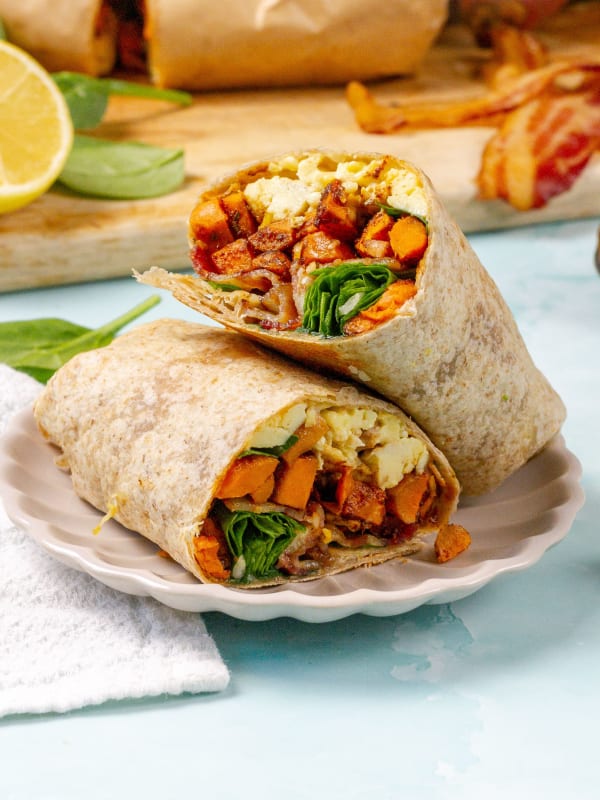
If steak and eggs are the stereotypical “testosterone breakfast,” consider this the more balanced version. Eggs provide high-quality protein, fats, and vitamin D, while spinach adds magnesium and folate, and avocado contributes monounsaturated fats. Sweet potato brings carbohydrates into the equation, helping make this a genuinely substantial breakfast. That matters because supporting healthy testosterone isn’t just about eating more protein; consistently getting enough overall energy and dietary fat matters, too. These wraps can also be prepared ahead and frozen, making a nutrient-packed breakfast considerably easier on busy mornings.
Carley Nadine
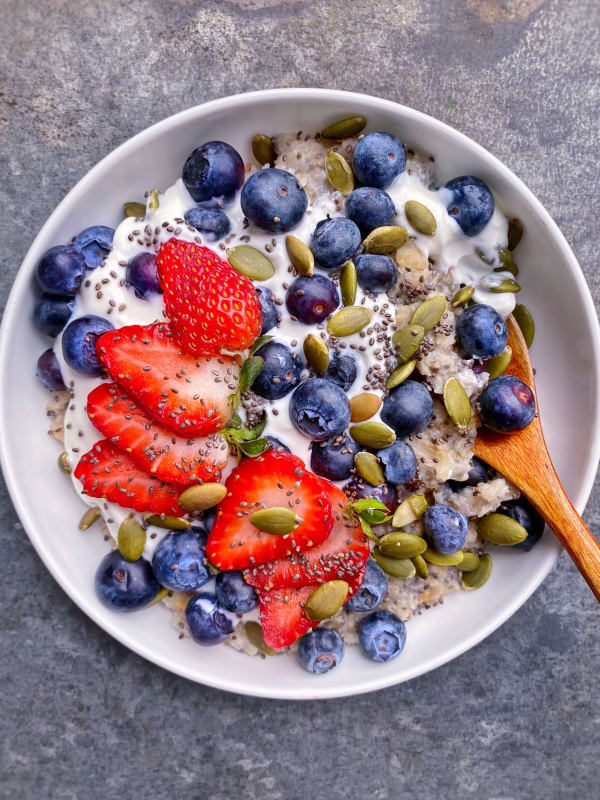
Don’t overlook pumpkin seeds when you’re looking for foods that support healthy testosterone levels. They’re a useful plant source of zinc and magnesium, while Greek yogurt adds protein, and chia seeds contribute fibre and healthy fats. Oats provide slow-digesting carbohydrates, and strawberries and blueberries bring vitamin C and other plant compounds into the mix. There’s no magic testosterone-boosting ingredient here. Instead, you’re getting several nutrients involved in normal hormone and overall health in an easy breakfast you could realistically eat regularly, which is far more useful than chasing the latest testosterone superfood.

Fran Allen
This muesli is basically a greatest-hits list of mineral-rich nuts and seeds. Pumpkin seeds, hemp hearts, chia seeds, walnuts, and almonds provide magnesium, zinc, healthy fats, and plant protein, while oats and fruit add fibre and carbohydrates. Zinc gets particular attention in conversations about testosterone because inadequate zinc status can negatively affect testosterone levels. More isn’t automatically better, though, so the goal is meeting your needs through a varied diet. This hearty breakfast makes that pretty easy while offering a plant-forward alternative to the meat-heavy meals that dominate most lists of “testosterone foods.”
Kelsey Russell-Murray
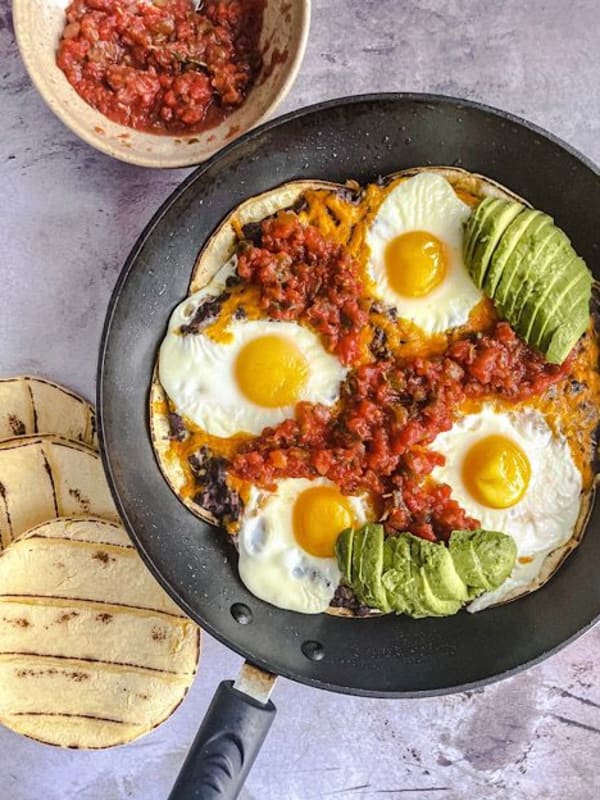
Eggs, black beans, and avocado make huevos rancheros a strong addition to a testosterone-supportive eating pattern. Eggs provide protein, fats, and several micronutrients, while black beans contribute plant protein, fibre, magnesium, and zinc. Avocado adds monounsaturated fats, and corn tortillas provide the carbohydrates needed to make this a substantial meal. It’s also a useful example of why eating for hormone health doesn’t need to become a high-protein, low-carb experiment. Testosterone production depends on overall nutritional adequacy, and this satisfying breakfast brings protein, carbohydrates, and fats together rather than obsessing over one nutrient.

Fran Allen
Shrimp gives this salad a strong nutritional case for anyone looking for foods that support testosterone. It provides protein along with selenium, vitamin B12, and zinc, while beans add fibre, magnesium, and additional plant protein. Kale and the other vegetables broaden the mix of vitamins and minerals even further. Zinc is particularly relevant because inadequate intake can affect normal testosterone production, but that doesn’t mean megadosing zinc will increase already-healthy levels. This salad takes the more sensible approach: combining several nutrient-rich whole foods into a satisfying meal that supports overall nutrition and hormone health.
Kelsey Russell-Murray
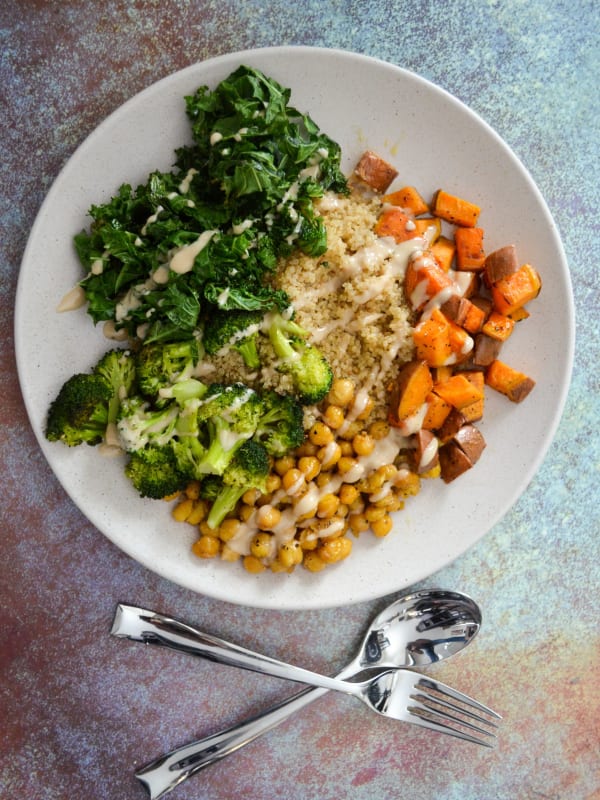
You don’t need meat at every meal to get nutrients involved in healthy testosterone production. Chickpeas and quinoa provide plant protein, while chickpeas and tahini contribute zinc and magnesium. Tahini also provides unsaturated fats, and sweet potato and quinoa supply the carbohydrates and energy that make this a properly satisfying meal. That overall balance matters. Very restrictive eating patterns, or chronically inadequate energy intake, aren’t particularly helpful when the goal is supporting normal hormone function. This bowl delivers protein, fats, carbohydrates, fibre, and important minerals without needing a steak, or a testosterone supplement, in sight.

Julia Gibson
Chickpeas, leafy greens, and seeds make this another strong plant-based option for supporting normal testosterone production. Chickpeas provide protein, iron, magnesium, and zinc, while pumpkin, sunflower, or hemp seeds can add even more minerals alongside unsaturated fats. Squash provides fibre-rich carbohydrates to round out the meal. This is particularly useful for vegetarian readers because zinc from plant foods is generally less bioavailable than zinc from animal sources, making it important to regularly include good plant sources. A varied meal like this makes that easier without reducing testosterone nutrition to a single ingredient or supplement.

Julia Gibson
When people search for the best foods for testosterone, beef frequently makes the list, and there’s a legitimate nutritional reason behind some of the hype. Beef is rich in highly bioavailable zinc, and also provides protein, iron, and vitamin B12. Adding liver takes the micronutrient density even further. Zinc is particularly important because deficiency has been linked with lower testosterone levels. That doesn’t mean eating liver will suddenly boost normal testosterone, but this recipe does provide an impressive range of nutrients involved in normal physiological and reproductive function. Pair the meatballs with vegetables and your favourite carbohydrate for a balanced meal.

Fran Allen
If there’s one recipe here that deserves more attention in conversations about testosterone-supporting foods, it’s this seafood stew. Shellfish including mussels, clams, and shrimp provide protein, vitamin B12, selenium, and zinc, while fish adds even more high-quality protein and micronutrients. Certain shellfish are particularly rich dietary sources of zinc, making them a useful alternative to getting the mineral primarily from red meat. The variety is another advantage: instead of building your diet around one supposed testosterone-boosting food, this stew delivers several nutrient-dense seafood options together in one satisfying meal.

Tina Gravalos
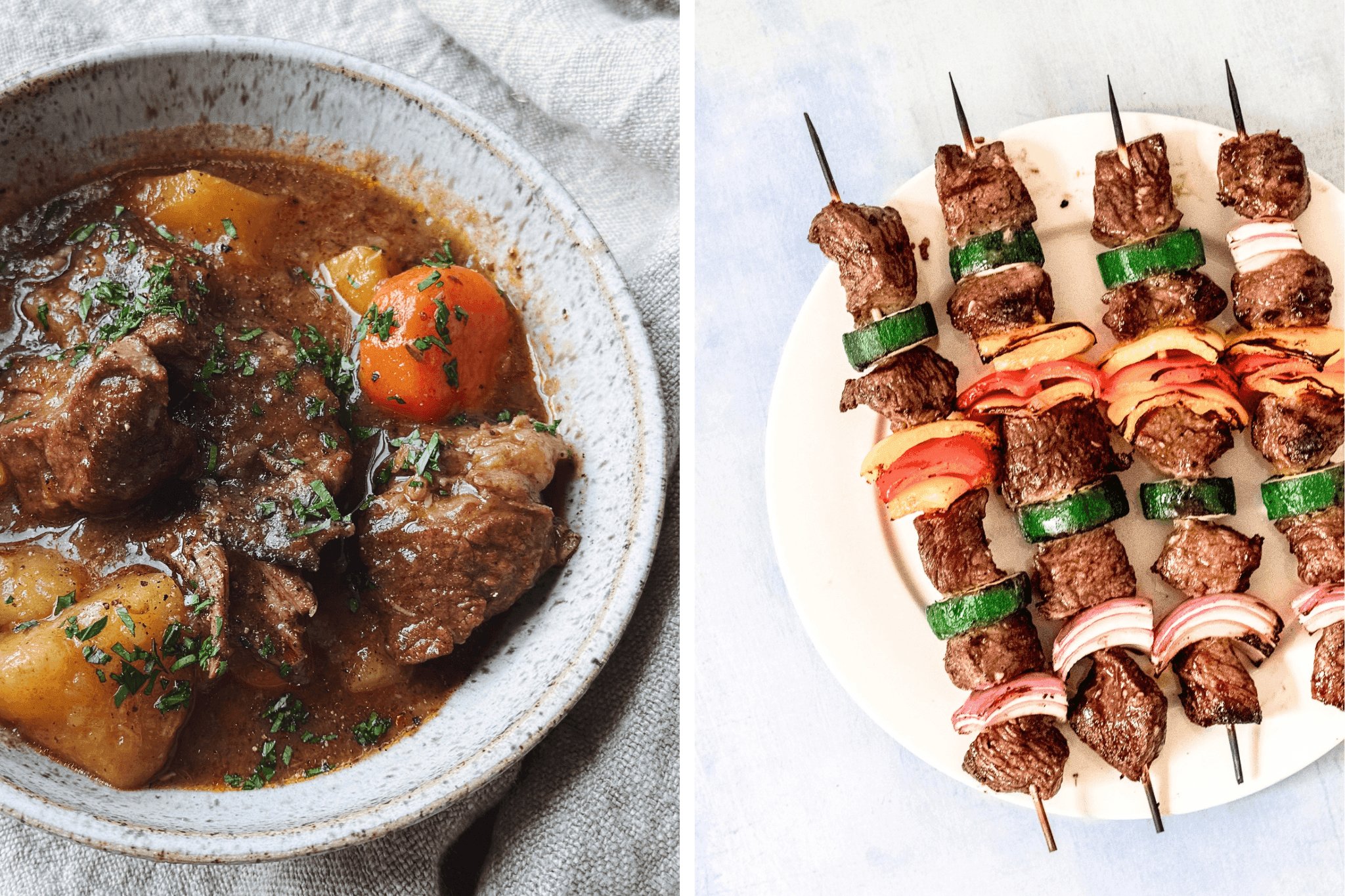
Steak earns its reputation as a testosterone-supportive food primarily because beef is an excellent source of zinc alongside protein, iron, and vitamin B12. Zinc plays an important role in normal reproductive function, and inadequate zinc status can negatively affect testosterone levels. But a bigger steak doesn’t equal higher testosterone. Once again, the goal is nutritional adequacy rather than excess. These kebabs pair sirloin with colourful vegetables, creating a more balanced way to get those nutrients than simply putting a massive piece of meat on your plate. Better still, the entire meal comes together in about 15 minutes.
Tina Gravalos
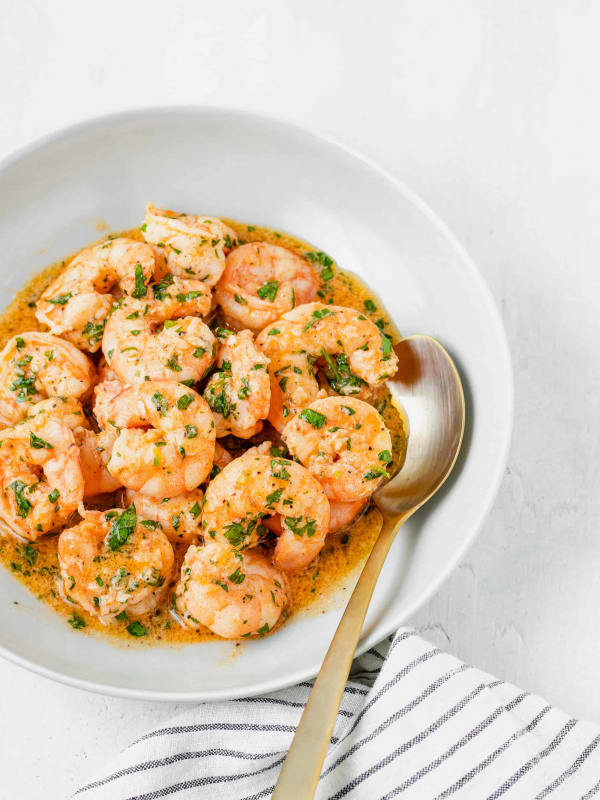
Shrimp is easy to overlook next to steak and salmon, but it brings plenty to a diet designed to support healthy testosterone levels. It provides lean protein along with selenium, vitamin B12, iodine, and some zinc. Selenium and zinc are both involved in normal reproductive health, while protein helps support muscle maintenance and growth alongside resistance training. Butter adds dietary fat, another component of a balanced diet supporting normal hormone production. This recipe is also remarkably simple, making it an easy way to incorporate more seafood without committing to an elaborate dinner, or relying on the same salmon recipe every week.
Julia Gibson
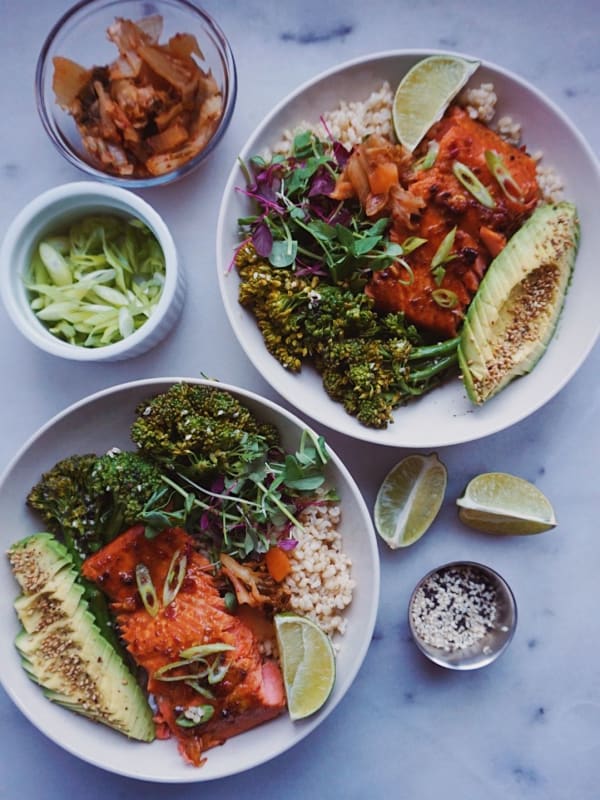
Salmon gives you several nutrients worth paying attention to when supporting hormone health, including protein, omega-3 fatty acids, and vitamin D. Vitamin D status has been associated with testosterone in research, although eating vitamin D-rich foods, or taking supplements, isn’t a guaranteed way to raise testosterone levels. This bowl takes a broader approach by combining salmon with brown rice, avocado, broccolini, and sesame for protein, carbohydrates, fats, and plenty of micronutrients. It’s substantial, balanced, and far more representative of what a testosterone-supportive diet should actually look like than eating isolated “testosterone-boosting” foods.
Megan Horsley
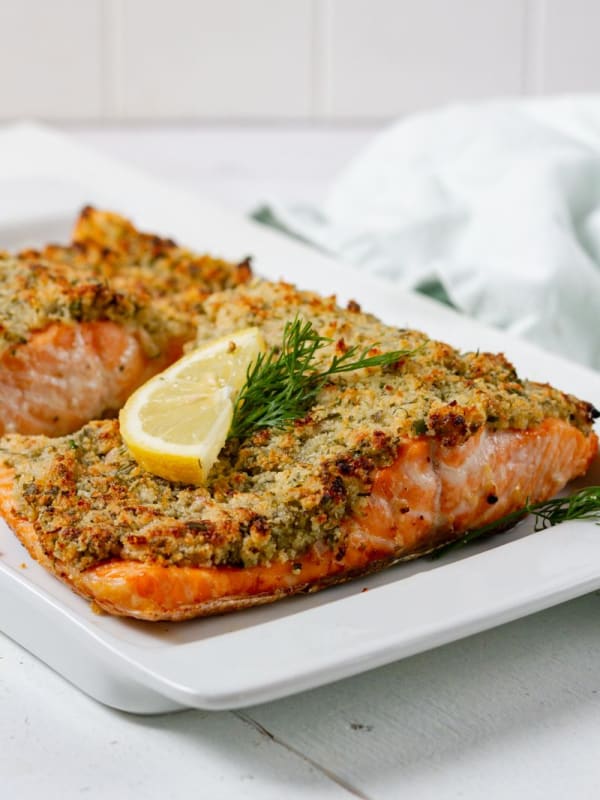
This simple salmon dinner combines high-quality protein, omega-3 fats, and vitamin D with additional unsaturated fats from olive oil and almonds. Dietary fat deserves a place in the testosterone conversation because extremely low-fat diets may not be ideal when supporting normal sex-hormone production. That doesn’t mean adding unlimited fat will raise testosterone, either. Balance still wins. Serve this salmon with potatoes, quinoa, brown rice, or another carbohydrate, plus vegetables, and you have a complete meal providing the protein, fats, energy, and micronutrients your body needs without turning dinner into a complicated hormone-optimization protocol.

Carley Nadine
Lentils and tahini make these patties one of the strongest plant-based recipes in the collection. Lentils provide protein, iron, magnesium, and zinc, while tahini adds healthy fats and additional minerals from sesame seeds. For people eating little or no meat, intentionally including plant sources of zinc is especially useful because zinc from plant foods is generally less readily absorbed than zinc from animal foods. Pair these patties with vegetables and a satisfying carbohydrate, and you’ve got a well-rounded meal that supports overall nutritional adequacy, which is the much less flashy, but far more sensible, foundation of healthy hormone production.

Fran Allen
Beef brings protein, zinc, iron, and vitamin B12 to this hearty stew, making it another strong option for supporting the nutritional foundations of healthy testosterone production. The potatoes and root vegetables are just as important to the bigger picture, providing carbohydrates, fibre, and additional micronutrients. That makes this a complete meal rather than another attempt to equate eating more meat with having more testosterone. Adequate energy intake matters for normal hormone function, too. A comforting bowl of beef, vegetables, and potatoes delivers that balance while giving you several servings from one pot.
Share this article