Popular Conditions & Diets

Following a low-FODMAP diet can help some people manage symptoms of irritable bowel syndrome (IBS), including bloating, gas, abdominal pain, and changes in bowel habits. But once you start removing or limiting foods that are high in FODMAPs, you may run into another problem: getting enough fibre.
Many foods we associate with fibre, including certain beans, lentils, fruits, vegetables, and wheat-based grains, can also be high in FODMAPs, particularly at larger serving sizes. That doesn’t mean fibre and low-FODMAP eating are incompatible. It just means choosing your sources, and sometimes your portions, a little more carefully.
Oats, chia seeds, flaxseed, quinoa, psyllium, nuts, seeds, and certain fruits and vegetables can all contribute fibre while fitting into a low-FODMAP diet. Fibre is especially important for bowel regularity and gut health, making it something we don’t necessarily want to lose while trying to get IBS symptoms under control.
These high-fibre low-FODMAP recipes bring the two together, with breakfasts, satisfying meals, breads, snacks, and easy ways to sneak a little more fibre into your day.
Carley Nadine
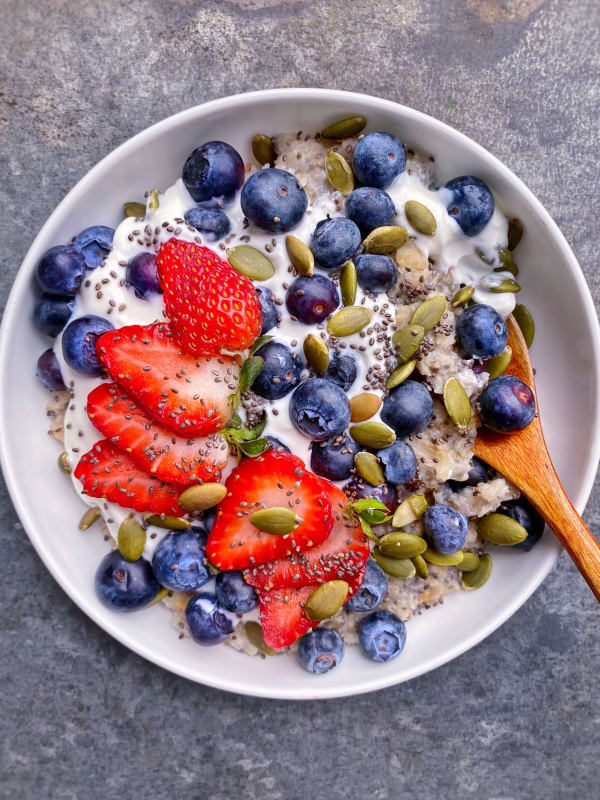
If you’re trying to get more fibre while eating low-FODMAP, oats are a great place to start. This colourful breakfast combines rolled oats with chia seeds, pumpkin seeds, strawberries, and blueberries for several fibre sources in one bowl. Greek yogurt adds protein and plenty of creaminess, making the finished oatmeal satisfying enough to carry you through the morning. Chia seeds are especially useful when you want to increase fibre without adding huge portions of food. It’s simple, filling, and easy enough to make part of your regular breakfast rotation.
Carley Nadine
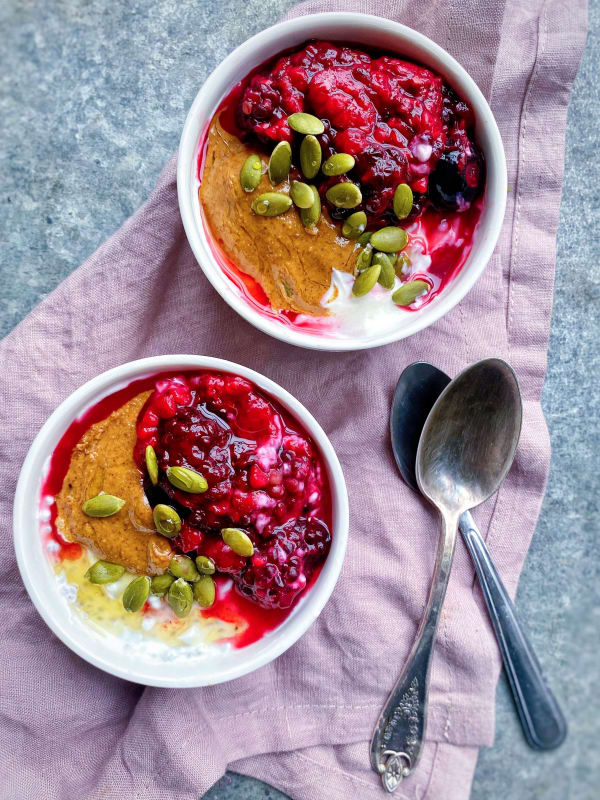
Sometimes breakfast really can be as simple as throwing everything into a bowl. Greek yogurt provides a creamy, protein-rich base, while chia seeds do much of the fibre heavy lifting. Add appropriate portions of low-FODMAP fruit, nuts, or seeds, and you can build even more fibre, flavour, and texture into the meal. It’s also an easy formula to adapt based on what you tolerate during your low-FODMAP journey. Prep your toppings ahead of time, and you’ve got a quick breakfast that makes getting a little more fibre into your morning considerably easier.

Carley Nadine
When you’re trying to eat more fibre, a good bowl can make your life much easier. This one combines Arctic char with quinoa and vegetables for a satisfying mix of protein, carbohydrates, and fibre. Quinoa is particularly handy on a low-FODMAP diet because it gives you a whole-grain-like base without relying on wheat, while vegetables add even more fibre and variety. It’s also a useful formula to borrow for other meals: start with a tolerated grain, add plenty of low-FODMAP vegetables and a protein, then finish with your favourite herbs, seeds, or dressing.

Jaclyn Irwin
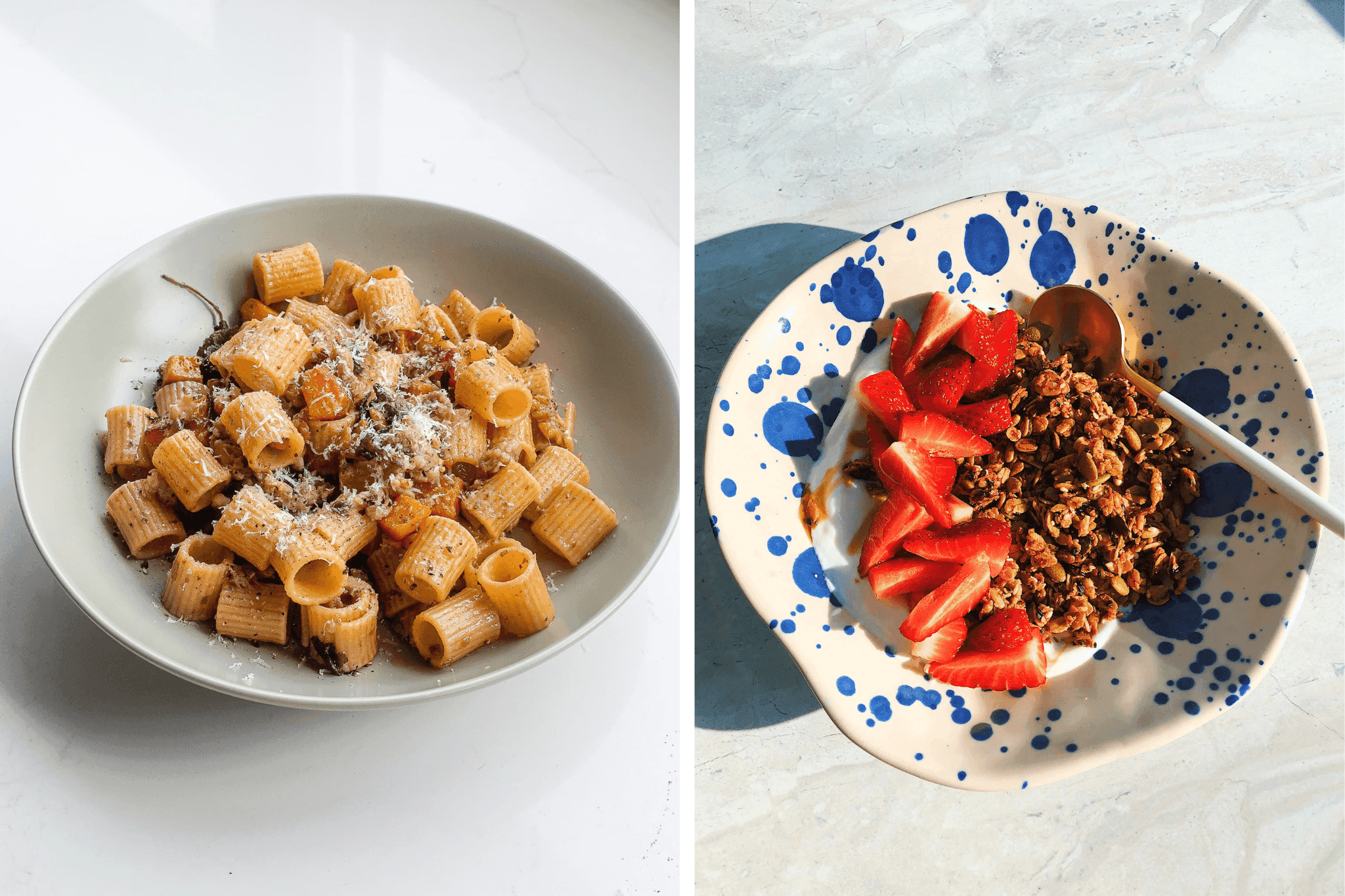
Low-FODMAP eating doesn’t mean giving up pasta night. This comforting combination of sausage, squash, sage, and walnuts gives you plenty of fall flavour while bringing more fibre to the table than a typical bowl of refined pasta. Squash and walnuts contribute fibre, and choosing a fibre-rich, low-FODMAP gluten-free pasta can push the meal even further. Check both the ingredient list and nutrition label when choosing your pasta, since gluten-free doesn’t automatically mean high-fibre or low-FODMAP. The finished dish is hearty, cosy, and proof that an IBS-friendly meal doesn’t have to feel particularly “diet” at all.

Megan Horsley
Chocolate and peanut butter already make a pretty convincing pair, but chia seeds are what earn this pudding its place in a high-fibre collection. Chia packs a substantial amount of fibre into a small serving while also creating that thick, pudding-like texture as it absorbs liquid. Peanuts and peanut butter bring more fibre, protein, and healthy fats to the mix. Make it ahead and let the fridge do the work, then grab it when you need breakfast, a snack, or something sweet. If you’re increasing your fibre intake, doing it gradually can also make the transition easier on your gut.

Danielle Wiens
These little bites give you the flavours of carrot cake in a much more grab-and-go package. Carrots provide fibre while fitting comfortably into a low-FODMAP approach, making them a particularly useful vegetable when your usual options feel limited. The other whole-food ingredients add more texture, flavour, and staying power, making these an easy snack to keep ready in the fridge. They’re also a good reminder that getting enough fibre doesn’t have to happen at one meal. Adding smaller amounts throughout breakfast, lunch, dinner, and snacks can make meeting your needs feel considerably more manageable.
Fran Allen
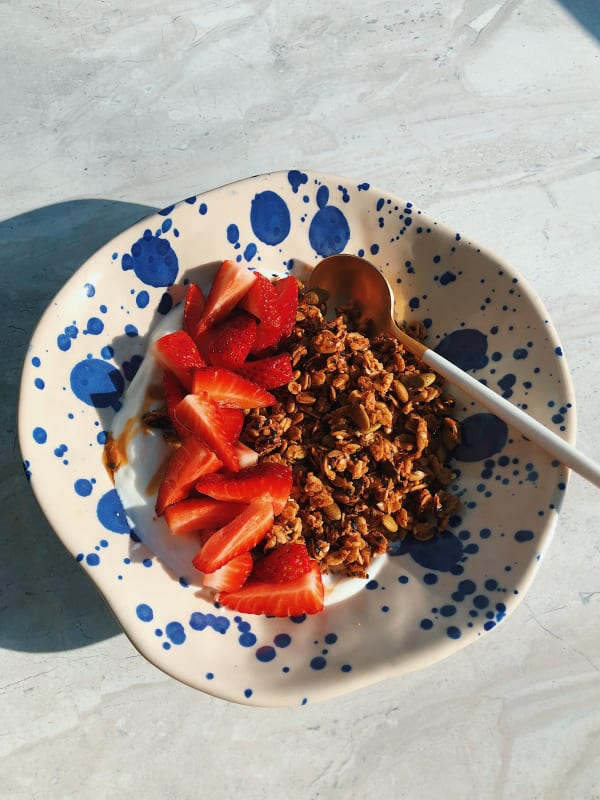
A crunchy granola can pack a surprising amount of fibre into a relatively small serving. This sweet-and-savoury version combines rolled oats with pumpkin seeds, sunflower seeds, sesame seeds, almonds, and coconut for plenty of texture and several different fibre sources. Sprinkle it over yogurt, pair it with a low-FODMAP milk, or grab a small handful when you want something crunchy. The miso and maple give it a little more personality than your standard granola, while the mix of oats, nuts, and seeds makes it an easy way to work more fibre into meals you’re already eating.

Julia Gibson
A lot of gluten-free breads rely heavily on refined starches, which doesn’t always help when you’re trying to keep your fibre intake up. This loaf takes a different approach, using brown rice, millet, and sorghum flours alongside psyllium husk and ground flaxseed. Psyllium provides soluble fibre and is particularly interesting for people managing IBS, while flax adds even more fibre to the mix. Slice it for toast, sandwiches, or alongside a meal for a versatile way to bring more fibre into your day without relying exclusively on fruits, vegetables, and enormous salads to get there.
Julia Gibson
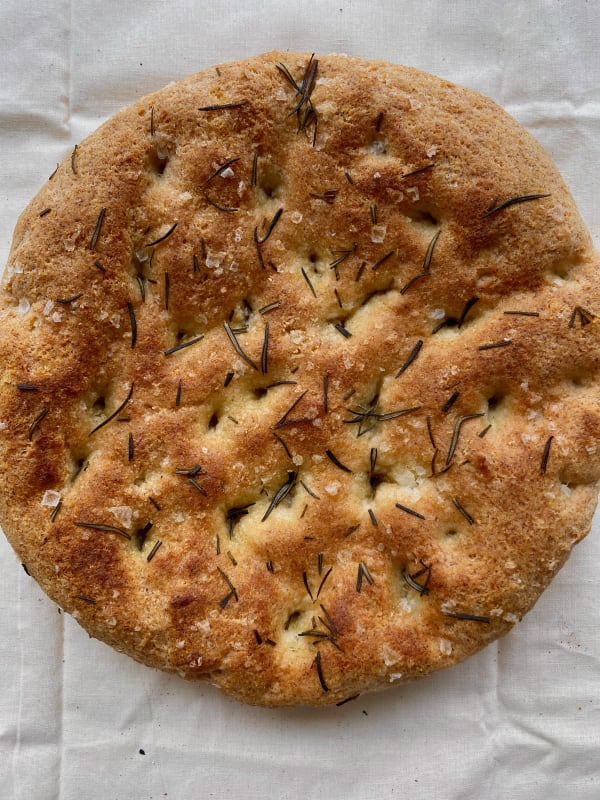
Psyllium husk is the not-so-secret weapon in this grain-free focaccia. It helps give the dough structure while contributing soluble fibre, making this bread a particularly useful option when you’re trying to balance digestive comfort with adequate fibre. Rosemary brings plenty of flavour without needing onion or garlic to take over the job. Enjoy a slice alongside a low-FODMAP soup or salad, use it to round out a lower-fibre meal, or simply dip it into your favourite infused olive oil. Bread doesn’t have to disappear just because you’re paying closer attention to FODMAPs.
Jaclyn Irwin
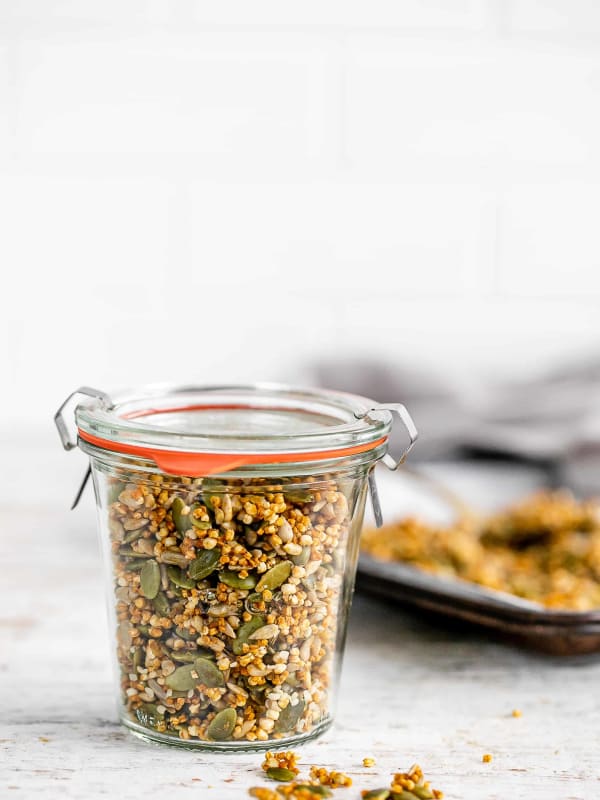
Not every fibre boost needs to be an entirely new meal. This crunchy topper combines quinoa with pumpkin seeds, sunflower seeds, and hemp hearts, making it an easy way to add fibre, healthy fats, plant protein, and texture to foods you already eat. Sprinkle it over a low-FODMAP salad, grain bowl, roasted vegetables, or even a savoury breakfast. Make a batch once, keep it handy, and you have an almost effortless way to make lower-fibre meals work a little harder for you, especially useful when dietary restrictions have made your usual fibre sources more difficult to navigate.
Getting enough fibre on a low-FODMAP diet isn’t about finding one exceptionally high-fibre food and eating it every day. Variety matters, and so does spreading fibre throughout your meals and snacks.
Portion size matters with FODMAPs, too. A food that works well at one serving may contain more FODMAPs at a larger one, and individual tolerance can vary considerably. If you’re new to low-FODMAP eating, our Introduction to the Low-FODMAP Diet breaks down how the elimination and reintroduction process works, while our deeper guide to FODMAPs and IBS explains why these carbohydrates can cause symptoms in the first place.
Most importantly, the low-FODMAP diet isn’t intended to remain highly restrictive forever. The goal is to identify your individual triggers and eventually bring as much variety back into your diet as you comfortably can. If increasing fibre or navigating reintroduction is proving difficult, a registered dietitian with experience in IBS and the low-FODMAP diet can help you figure out what works for your gut.
If you found this helpful, check out:
Share this article