Popular Conditions & Diets

For a long time, lowering cholesterol was framed as a list of restrictions. “Cut this.” “Avoid that.” Swap everything you enjoy for something bland and “better for you.”
So, it’s no surprise when people struggle to stick with the program.
But the reality is a lot more practical and a lot more encouraging. Supporting healthy cholesterol levels isn’t about eliminating entire food groups or obsessing over numbers. It’s about consistently choosing foods that work with your body instead of against it.
At the centre of this are a few key shifts.
Soluble fibre is one of the most powerful tools here. Found in foods like oats, beans, lentils, and certain fruits, it helps pull excess LDL cholesterol out of the body before it can build up. Think of it less as a restriction and more as something you’re adding in daily.
Healthy fats matter just as much. Swapping saturated fats for unsaturated ones, like olive oil, nuts, seeds, and avocado, can help improve your overall cholesterol profile by lowering LDL while supporting HDL. This isn’t about cutting fat, it’s about choosing the right kind.
This way of eating closely mirrors the Mediterranean diet, which consistently shows strong links to improved heart health. It’s not a strict plan, but a pattern built around vegetables, legumes, whole grains, healthy fats, and simple, balanced meals.
Then there’s protein. Moving away from heavy reliance on red and processed meats and bringing in more plant-based proteins, along with options like fish, can make a measurable difference over time without making meals feel limited.
What this collection focuses on is putting those principles into meals that feel familiar, filling, and realistic for everyday life. No complicated techniques, no hard-to-find ingredients, and nothing that requires a complete overhaul of how you cook.
Because consistency beats perfection here. A bowl of oats a few times a week, a simple bean-based dinner, swapping butter for olive oil, these things add up quickly.
So, if you’ve been told to “watch your cholesterol,” this is where to start.
Recipe by Jaclyn Irwin
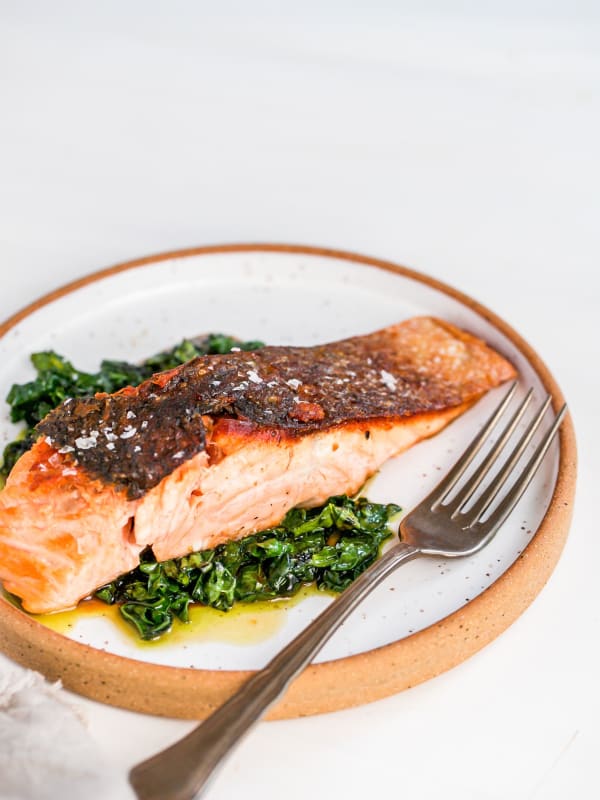
Salmon and leafy greens are one of the simplest ways to build a heart-supportive meal without overthinking it. Rich in omega-3 fats, salmon helps support a healthy cholesterol profile, while kale adds fibre and antioxidants that round out the plate. Cooked in olive oil and paired with a light, savoury sauce, everything comes together quickly without relying on heavy ingredients. It’s a practical go-to for weeknights when you want something balanced, satisfying, and aligned with a more Mediterranean-style way of eating.
Recipe by Danielle Wiens
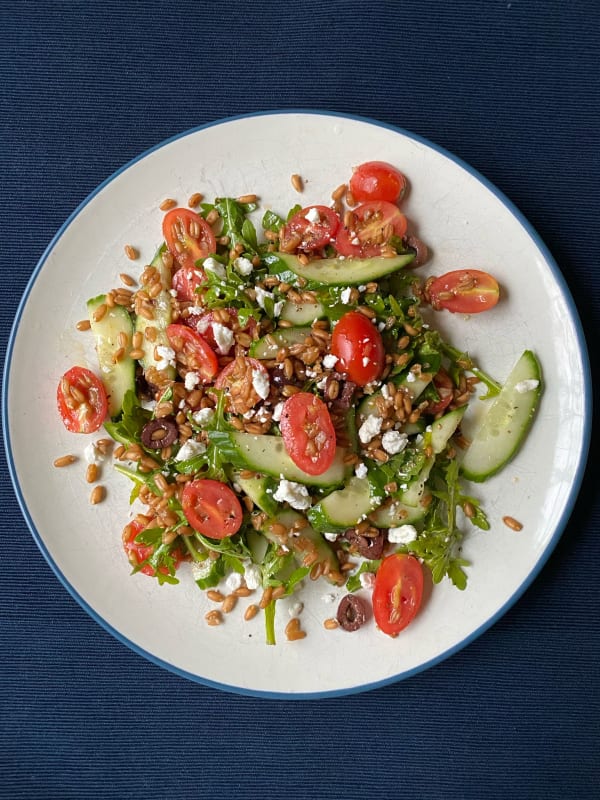
Whole grains play a key role in supporting healthy cholesterol levels, and spelt berries bring both fibre and a satisfying, chewy texture. Combined with arugula, fresh vegetables, olives, lemon, and olive oil, the ingredients reflect a Mediterranean-style approach built around simple, balanced components. Healthy fats and plant foods work together here to create a dish that feels light but still filling. Serve it as a side or pair it with lean protein for an easy, everyday meal that supports consistency over perfection.

Recipe by Kelsey Russell-Murray
Fibre and healthy fats do a lot of the heavy lifting when it comes to supporting cholesterol levels, and this wrap delivers both. Black beans provide plant-based protein and soluble fibre, while avocado adds unsaturated fats that support heart health. Kale brings in an extra layer of greens, making the wrap more balanced and filling. Cheese and mayo can be adjusted or swapped depending on preference, making it easy to keep the focus on the ingredients that matter most.
Recipe by Kelsey Russell-Murray
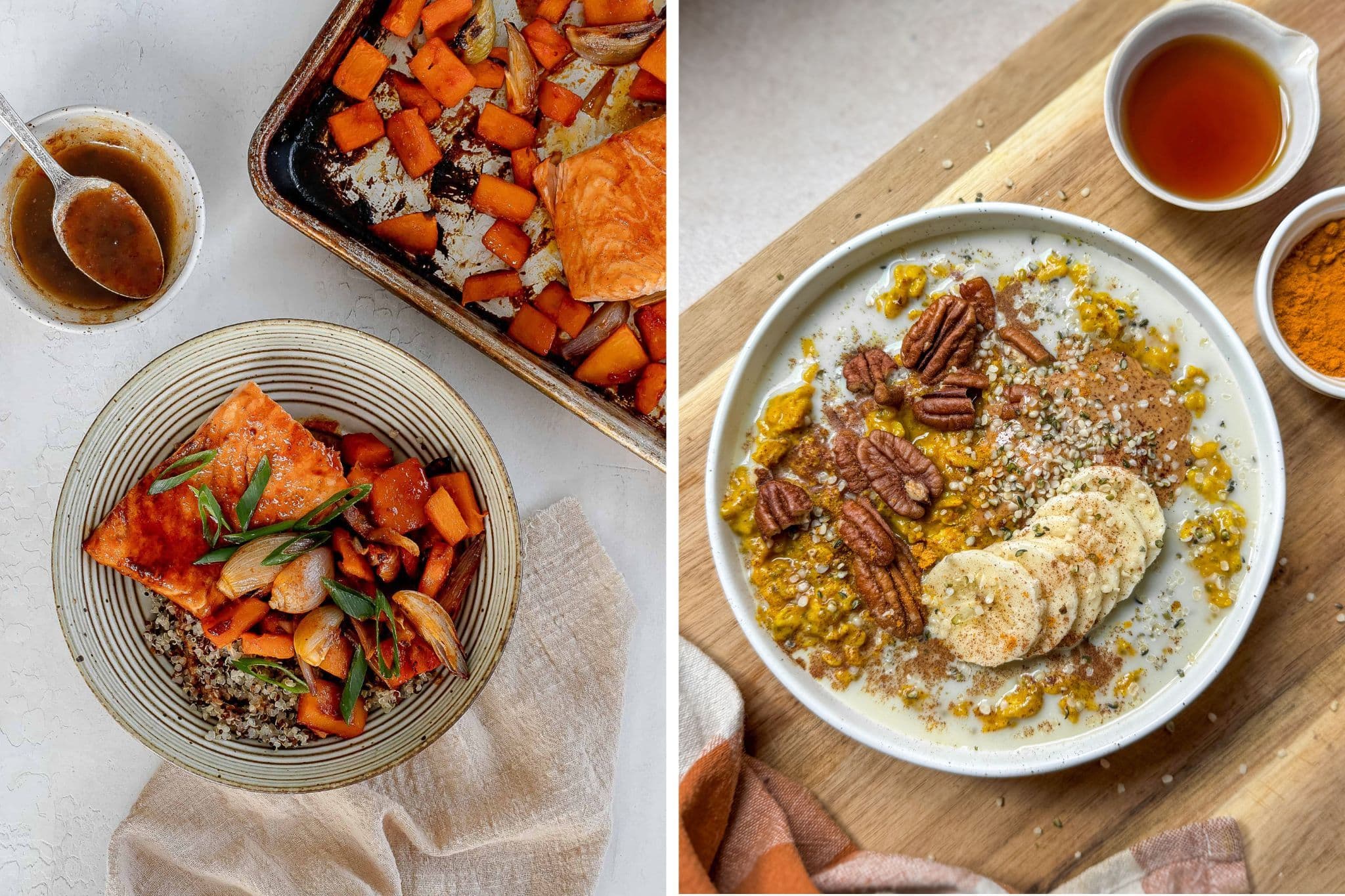
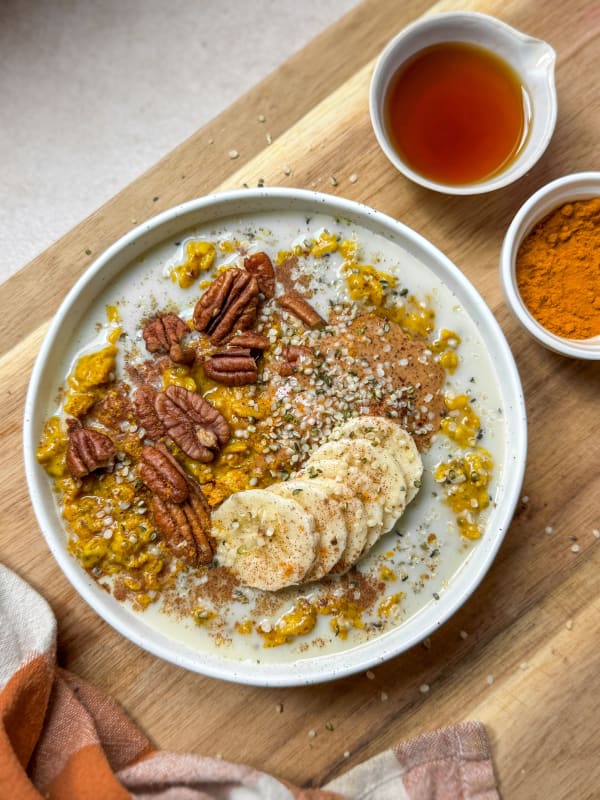
Oats are one of the most reliable foods for supporting healthy cholesterol levels, thanks to their soluble fibre content. Paired with pumpkin, chia seeds, and warming spices, this breakfast goes beyond basic oatmeal while still keeping things simple. Turmeric and cinnamon add flavour and depth, while the overall combination stays comforting and easy to prepare. Swapping in a lower saturated-fat milk option can make it even more aligned with long-term heart health goals.
Recipe by Jaclyn Irwin
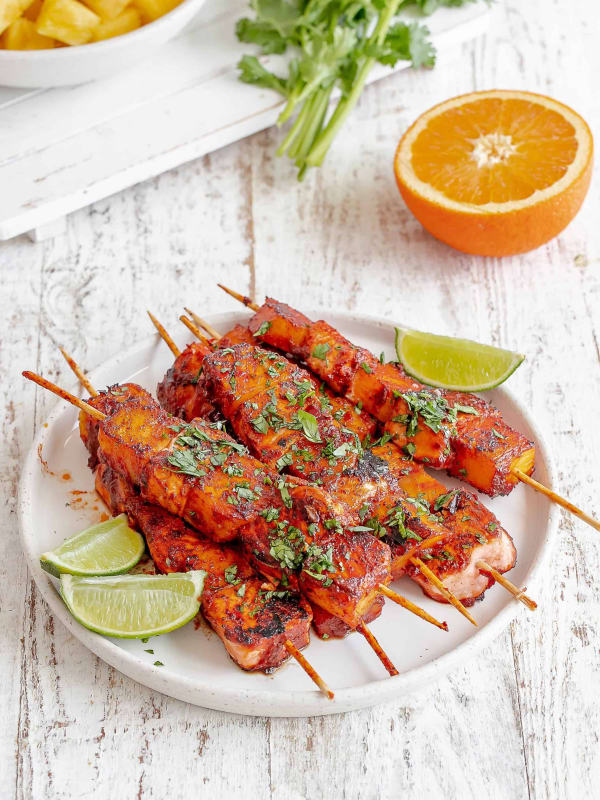
Bringing more fish into your weekly routine is one of the most effective shifts you can make for heart health. Salmon delivers omega-3 fats, while pineapple, citrus, garlic, and spices build bold flavour without relying on heavy sauces or excess fat. Grilled or roasted, the skewers come together quickly and pair well with whole grains, beans, or vegetables. It’s a strong example of how flavour-forward cooking can still align with cholesterol-supportive habits.
Recipe by Kelsey Russell-Murray
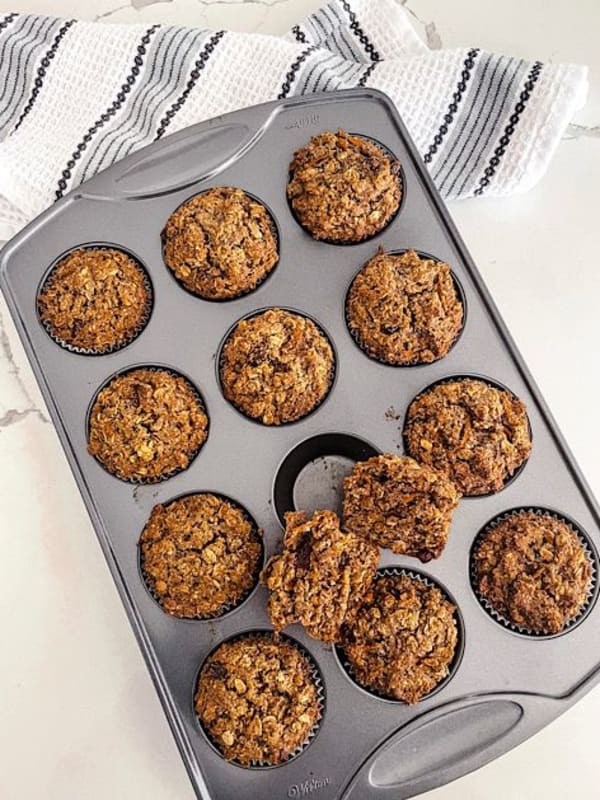
A good breakfast or snack can do more than just keep you full; it can help support long-term heart health when built with the right ingredients. Oats, apples, and carrots bring fibre to the table, including the kind that supports healthy cholesterol levels, while almond flour and hemp hearts add a mix of healthy fats and plant-based protein. Naturally sweetened with applesauce and maple syrup, these muffins avoid the heavy refined ingredients found in most bakery options. Butter is included, so it’s worth keeping portions in mind or using a lighter substitution.

Recipe by Jaclyn Irwin
Salmon, quinoa, and squash make this sheet pan dinner a strong fit for a cholesterol-conscious meal plan. Salmon brings omega-3 fats and protein, while quinoa adds fibre and a satisfying whole-grain base. Butternut squash and shallots round things out with colour, texture, and naturally sweet flavour. The gochujang sauce keeps the dish bold and interesting, so it doesn’t feel like a “plain healthy dinner.” Since the sauce includes brown butter, this one is best balanced by going lighter on the drizzle or letting the salmon, squash, and quinoa carry most of the meal.
Recipe by Jennifer Barr
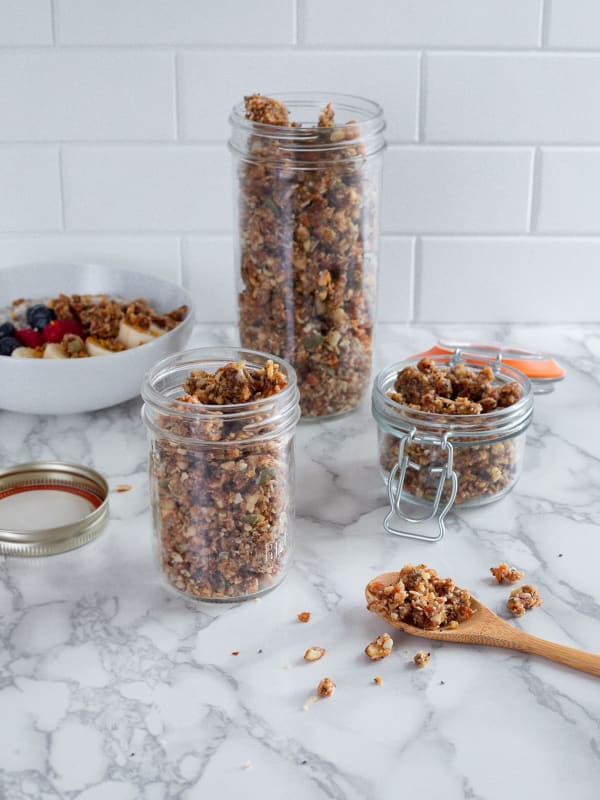
Nuts, seeds, oats, flax, chia, and almond butter make this no-bake rawnola a fibre-rich option for breakfast bowls, yogurt, smoothies, or snacking. Walnuts, almonds, pumpkin seeds, hemp, flax, and chia all bring healthy fats, including plant-based omega-3s from flax and chia. Rolled oats add soluble fibre, one of the most helpful nutrients for supporting healthy cholesterol levels. Dates provide natural sweetness and help hold everything together. A little goes a long way here, but it’s a smart make-ahead option when you want crunch, fibre, and healthy fats in one place.

Recipe by Tiana Pollari
Broccoli, edamame, tahini, olive oil, almonds, and dried cranberries make this salad filling without needing meat. Edamame brings plant-based protein and fibre, while broccoli adds volume, crunch, and nutrients that support overall health. The tahini and olive oil dressing adds healthy fats and a creamy texture, making the salad feel substantial instead of like a side you forget about. Almonds add extra crunch and unsaturated fats. It’s a smart lunch option when you want something quick, plant-forward, and high in protein without relying on heavier ingredients.

Recipe by Jaclyn Irwin
Grilled shrimp, avocado, romaine, tomatoes, peaches, and corn make this salad feel fresh, colourful, and satisfying. Shrimp offers lean protein, while avocado and olive oil bring unsaturated fats that fit well into a heart-healthy eating pattern. The mix of fruit, vegetables, and herbs keeps the dish bright and full of texture, and the optional tortilla chips add crunch without needing to be the main event. For a cholesterol-conscious plate, keep the dressing olive oil-based, go easy on the chips, and serve it as a full meal.
Recipe by Megan Horsley
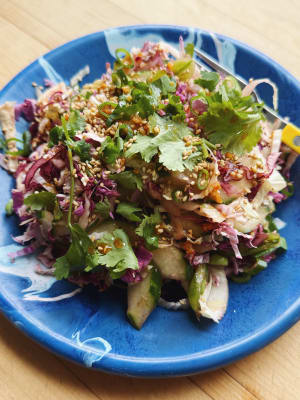
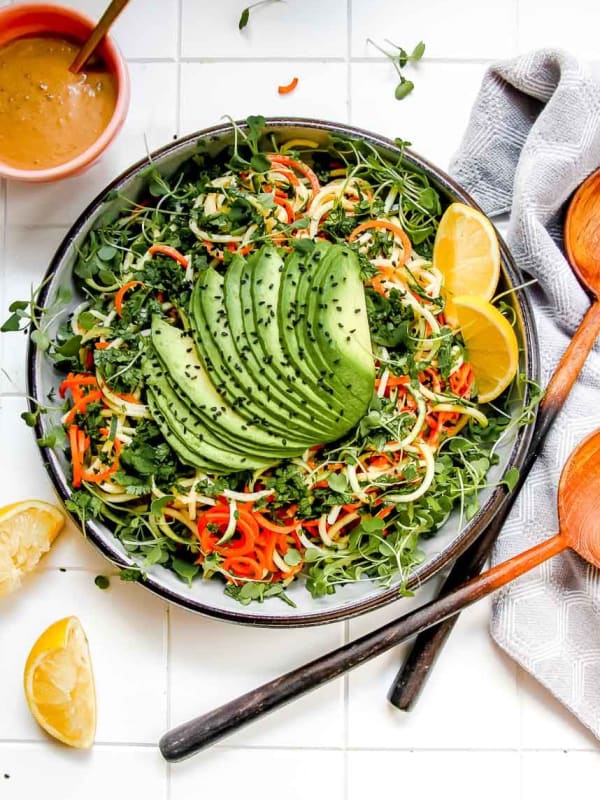
Raw vegetables, avocado, tahini, olive oil, miso, microgreens, and herbs make this salad a fresh way to work more plant foods into your day. Carrots and zucchini bring fibre and crunch, while avocado, tahini, and olive oil provide healthy fats that help make the dish more satisfying. The miso tahini dressing adds savoury depth, so the salad feels more complete than a basic bowl of vegetables. Pair it with beans, tofu, fish, or another protein to turn it into a more filling, cholesterol-conscious meal.

Recipe by Fran Allen
Oats, walnuts, almonds, pumpkin seeds, hemp hearts, chia seeds, and raisins make this muesli a strong breakfast option for supporting healthy cholesterol levels. Rolled oats provide soluble fibre, while nuts and seeds add healthy fats, protein, and texture. Warming spices like cinnamon, ginger, cardamom, clove, and allspice make it feel cozy without relying on a lot of added sugar. Since it stores well, it’s a helpful make-ahead option for busy mornings. Serve it with milk, yogurt, fruit, or a lower saturated-fat dairy alternative.
Recipe by Jaclyn Irwin
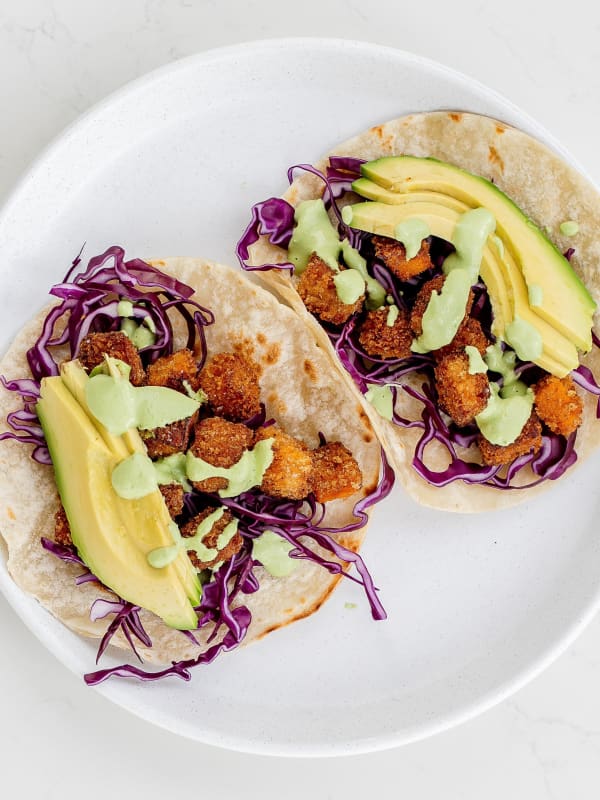
Honeynut squash, cabbage, avocado, cashews, lime, cilantro, and spices bring a lot of colour and flavour to these plant-based tacos. Squash and cabbage add fibre, while avocado and cashews provide healthy fats that help make the meal more satisfying. The creamy jalapeño sauce gives the tacos richness without dairy, which is helpful for anyone trying to reduce saturated fat from heavier cheese- or cream-based toppings. Since the squash is pan-fried, baking it with a lighter spray of oil can make the recipe even more cholesterol-conscious.

Recipe by Kelsey Russell-Murray
Beans, mushrooms, cabbage, avocado, and olive oil make these tostadas a strong plant-forward dinner option. Refried beans bring fibre and protein, while mushrooms add savoury depth and cabbage adds crunch and colour. Baking the tortillas instead of frying them keeps the base lighter, and avocado adds satisfying unsaturated fats. Feta adds a salty finish, but it can be reduced or swapped for a plant-based alternative if you’re watching your saturated fat intake. Quick, filling, and flexible, this is the kind of meal that makes eating more beans feel easy.

Recipe by Megan Horsley
Black beans and oats make this burger a smart plant-based alternative to a traditional beef patty. Beans bring fibre and protein, while oats add texture and soluble fibre that supports healthy cholesterol levels. The smoky seasoning gives it that barbecue-style flavour without relying on greasy toppings or heavier ingredients. Baked instead of fried, it’s a practical option for anyone trying to bring more legumes into their meals. Serve it with avocado, greens, salsa, or a whole-grain bun to keep the meal filling and heart-supportive.

Recipe by Jaclyn Irwin
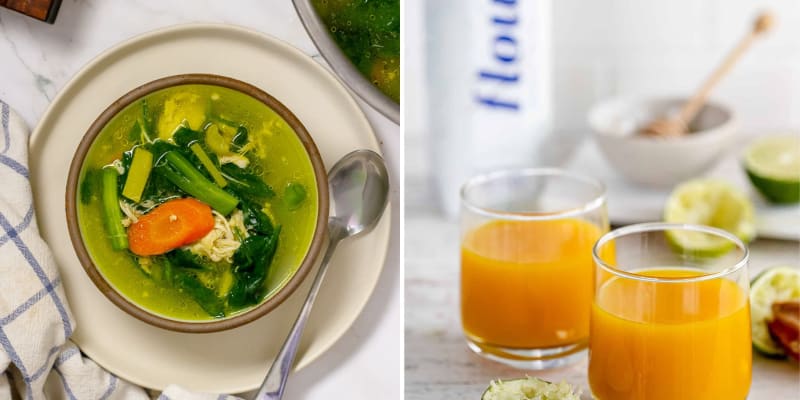
White beans make this cozy soup a very strong fit for a cholesterol-supportive recipe collection. Beans bring soluble fibre and plant-based protein, both of which are helpful when building meals to support healthy cholesterol levels. Carrot, celery, onion, spinach, thyme, and parsley add the kind of everyday vegetables that make the soup feel nourishing without being complicated. Parmesan adds a salty finish, but it can be reduced or left out completely if you’re watching saturated fat more closely.

Recipe by Fran Allen
Green beans, pecans, olive oil, lemon, garlic, and Dijon make this a simple side that fits easily into a heart-healthy eating pattern. Pecans add crunch and unsaturated fats, while olive oil keeps the dressing aligned with a more Mediterranean-style approach. It’s bright, quick, and a good way to add more vegetables to the plate without defaulting to butter-heavy sides—a solid fit.
Recipe by Jaclyn Irwin
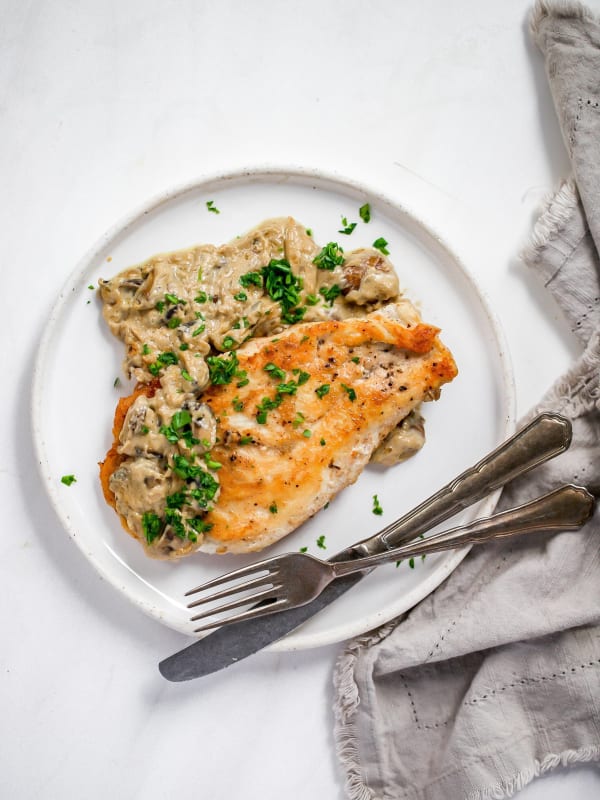
Lean chicken breast, mushrooms, olive oil, spelt flour, and a cashew-based sauce make this a better fit than a traditional creamy chicken dish. Cashews provide unsaturated fats and create richness without heavy cream, while mushrooms add depth and texture. It’s still a richer recipe because of the nuts and oil, but the overall structure works well for a cholesterol-conscious collection, especially compared to dairy-heavy cream sauces.

Recipe by Carley Nadine
Red lentils, oats, sweet potato, olive oil, and tahini make these patties one of the stronger options for the collection. Lentils and oats both bring fibre, while tahini adds healthy fats and a creamy finish without dairy. Baked instead of fried, they’re a practical plant-based dinner that supports the shift toward more legumes, whole grains, and vegetables.

Recipe by Tina Gravalos
Chickpea pasta and broccoli come together in a way that makes this a strong, plant-forward option for supporting healthy cholesterol levels. Made from legumes, chickpea pasta provides fibre and plant-based protein, while broccoli adds antioxidants and an extra boost of vegetables without complicating the dish. The pesto, blended with olive oil, seeds, and herbs, delivers healthy fats and flavour without relying on dairy. Quick to prepare and easy to adapt, it’s a balanced weeknight meal that keeps things simple while still feeling satisfying.
Share this article