Popular Conditions & Diets

When you’re dealing with chronic stress or burnout, planning, cooking and even remembering to eat well can feel like another task on an already impossible list. While no single food can fix burnout, what you eat can help support your energy levels, brain function and overall well-being during periods of prolonged stress.
That means getting enough protein and carbohydrates, eating regularly and including foods that provide nutrients involved in energy metabolism and normal nervous system function. Omega-3 fatty acids, magnesium, iron, B vitamins and fibre can all be part of a balanced diet that supports your body through particularly demanding periods. Just as importantly, your meals need to be realistic when your energy and motivation are running low.
These 35 recipes for stress management and burnout were chosen with both nutrition and capacity in mind. You’ll find make-ahead breakfasts, high-protein meals, one-pot and one-pan dinners, batch-cooking options, quick snacks and caffeine-free drinks. Some can be made in 10 or 15 minutes, while others make enough leftovers to take cooking off your plate for the next few days. Because when you’re already stretched thin, eating well should make your week easier, not give you another thing to manage.
Kelsey Russell-Murray
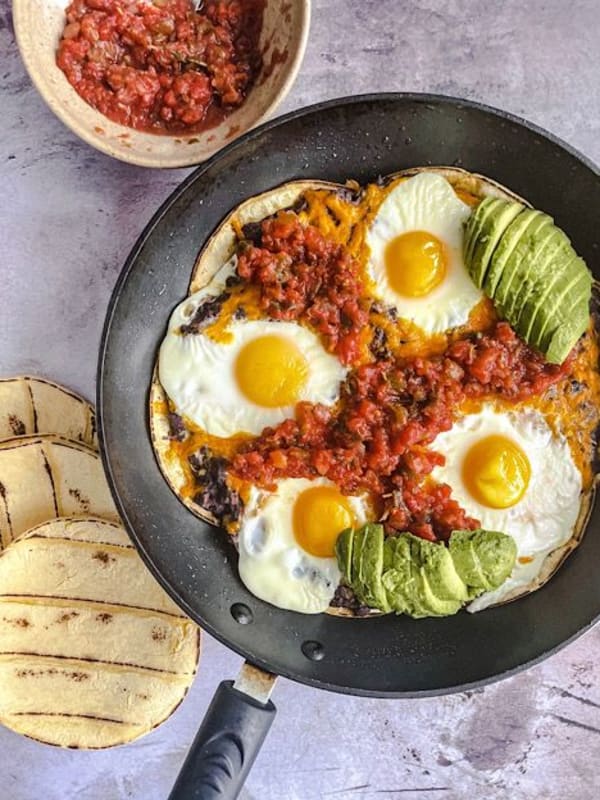
When stress is high, a filling breakfast can help you avoid getting halfway through the morning before realizing you forgot to eat. Huevos rancheros combine eggs and black beans for protein, fibre and several B vitamins, alongside satisfying carbohydrates from corn tortillas and fats from avocado and cheese. The entire dish is hearty enough to work for breakfast, lunch or dinner, which makes it useful when meal planning feels like another chore. It also bakes largely in one dish, keeping cleanup relatively simple on low-capacity days.
Fran Allen
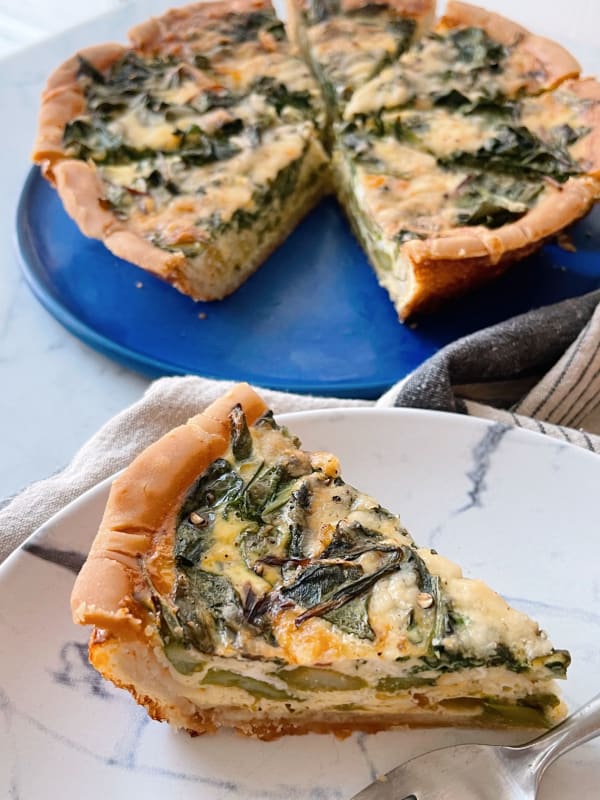
This is a particularly useful recipe to make when you have a little energy to spare and want breakfast handled for the next several days. One quiche makes six servings, keeps in the refrigerator for up to five days and can be frozen in individual slices for longer-term planning. Eggs provide protein and B vitamins, while spinach, asparagus and leeks add vegetables and micronutrients. It can be eaten hot or cold, too, so even reheating is optional when you’re tired and simply need something substantial to eat.
Megan Horsley
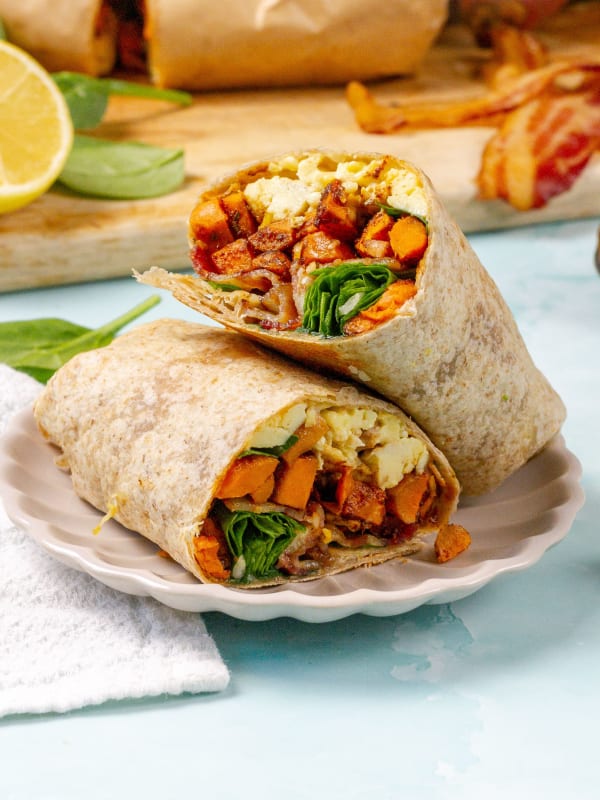
The real strength of this breakfast wrap is that you can make several when you have time, freeze them and give yourself an easy breakfast for future high-stress mornings. Eggs, cheese and bacon provide protein, while sweet potatoes and the tortilla supply carbohydrates and spinach and avocado add vegetables, fibre and healthy fats. It’s a substantial breakfast, which can be helpful on days when meals end up spaced farther apart than planned. Once prepped, all that remains is reheating, significantly reducing morning effort and decision-making.

Kelsey Russell-Murray
Frozen bananas and berries make this smoothie bowl especially convenient because most of the ingredients can simply live in your freezer or pantry until you need them. Chia seeds, hemp hearts and almond butter add fibre, healthy fats and some protein, while fruit provides carbohydrates and a range of micronutrients and plant compounds. Add protein powder when you need something more substantial. It also requires almost no cooking: blend, add toppings and eat. On mornings when standing over a stove feels unrealistic, that alone can make a nourishing breakfast considerably more achievable.
Jaclyn Irwin
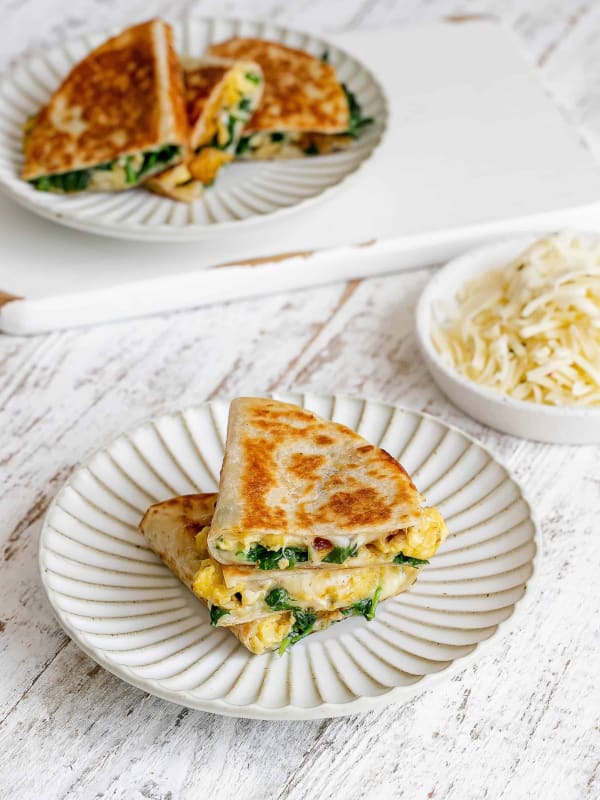
A breakfast you can make ahead and freeze can be incredibly valuable during an overloaded week. These quesadillas combine eggs, spinach, squash and cheese for protein, carbohydrates, fats and vegetables in one portable meal. The recipe makes six, and the assembled quesadillas can be frozen for up to two months, making them a strong option for intentional meal prep before a demanding period. Squash provides satisfying carbohydrates, while eggs contribute protein and several B vitamins. Reheat one when needed and breakfast requires very little thought beyond remembering that it’s there.
Carley Nadine
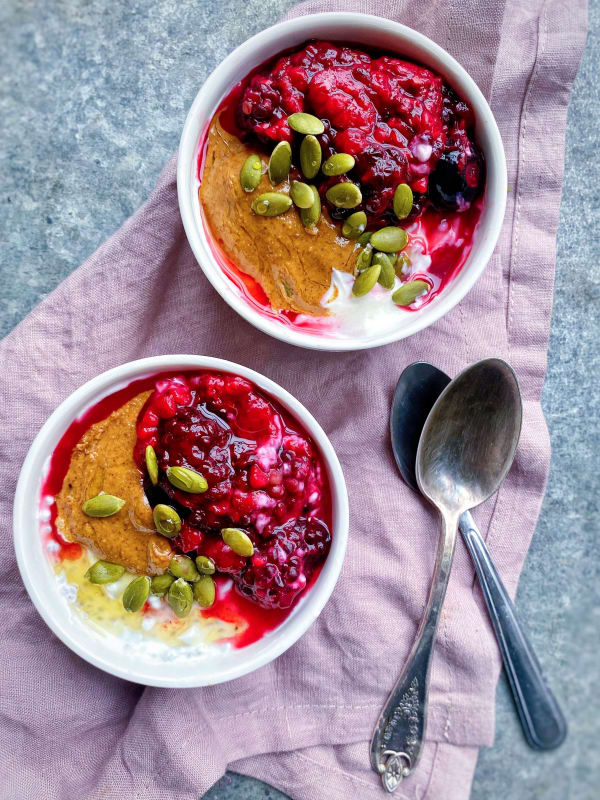
Five ingredients, one bowl and up to five days in the fridge: this is exactly the kind of low-effort breakfast that earns a place in a burnout-focused collection. Greek yogurt provides protein, chia seeds offer fibre and healthy fats, and blueberries add fruit and antioxidants. You can prepare it the night before or make several portions ahead so mornings require little more than opening the fridge. Add nut butter, pumpkin seeds or hemp hearts when you want something more substantial. It’s simple nutrition without turning breakfast into another project you have to manage.
Jaclyn Irwin
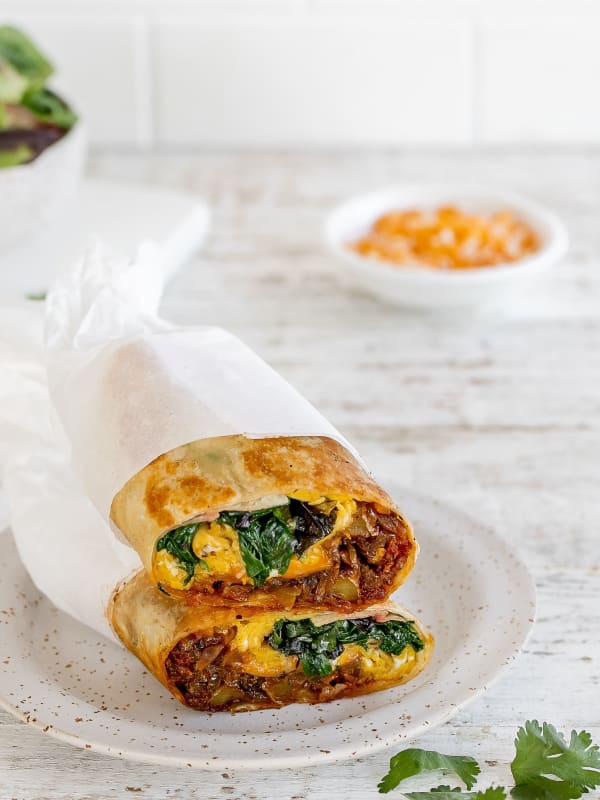
Breakfast burritos are worth the upfront effort when they give you several ready-to-go meals afterwards. This version combines eggs and chorizo for protein with potatoes for satisfying carbohydrates, plus mixed greens and optional avocado for vegetables and healthy fats. The components can be prepared in advance and refrigerated separately for up to three days, then assembled and reheated as needed. That makes them especially useful during busy weeks when cooking a full breakfast every morning isn’t realistic. The vegetarian option of swapping sausage for beans also adds flexibility without requiring an entirely different recipe.
Jennifer Barr
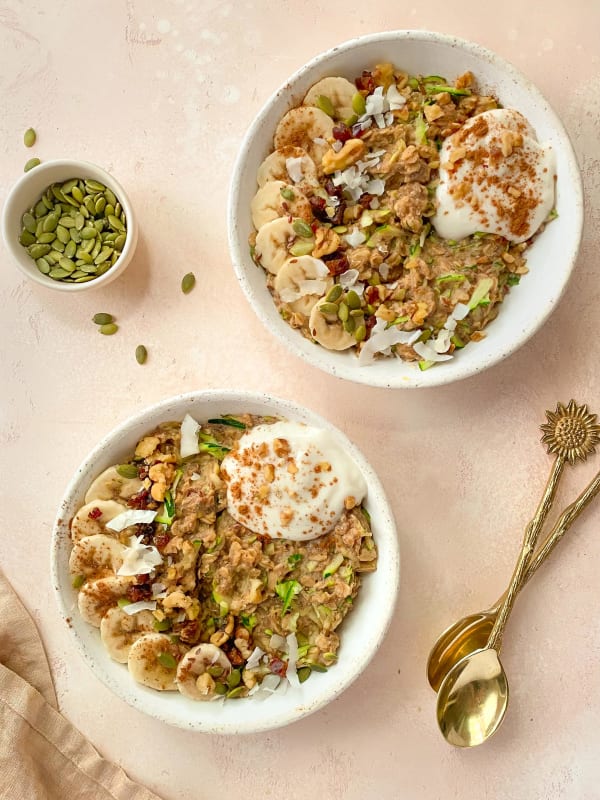
Warm oatmeal offers comfort and substance without a complicated cooking process, making it a useful breakfast when stress has left you craving something simple. Oats provide fibre and carbohydrates, while chia seeds and walnuts add healthy fats, including plant-based omega-3s. Banana adds sweetness and additional carbohydrates, and grated zucchini quietly gets another vegetable into the day. Because everything cooks into one breakfast rather than requiring multiple components, there is little assembly involved. It’s particularly suited to mornings when you want something warming and satisfying without much planning.

Fran Allen
Make this once and you have a lunch that may actually taste better after sitting in the fridge for a few hours. White beans and hot-smoked salmon provide protein, while beans and vegetables contribute fibre and olive oil and salmon add unsaturated fats. There is no oven required, and the entire salad is mixed in one bowl, keeping both cooking and cleanup manageable. Because it holds up well to marinating, it’s ideal for dividing into several lunches ahead of a busy week and removing the daily question of what you’re going to eat.
Tina Gravalos
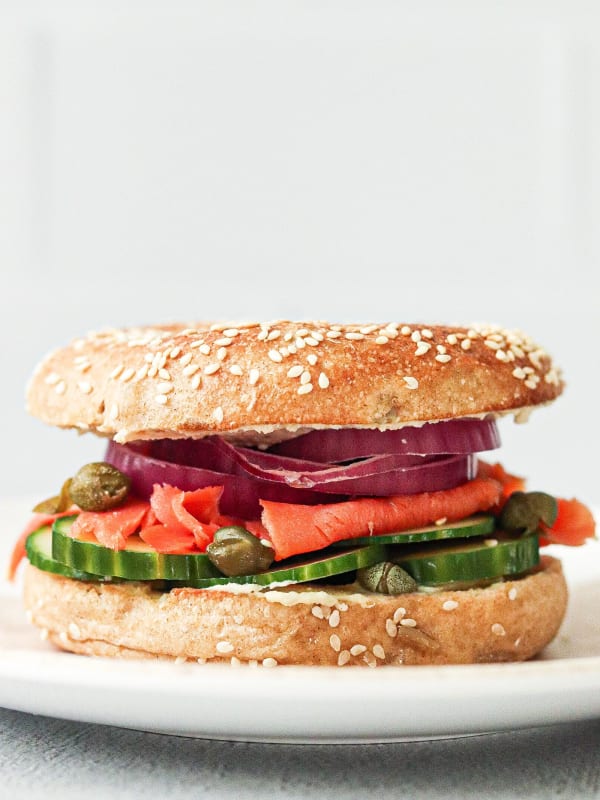
Sometimes the most burnout-friendly meal is simply the one you can make in 10 minutes. This bagel sandwich requires six ingredients and virtually no cooking while still delivering a meaningful combination of protein, carbohydrates and fats. Smoked salmon provides protein, vitamin D, several B vitamins and omega-3 fatty acids, while the bagel makes the meal more substantial and cucumber adds some fresh produce. It’s also easy to take with you, making it useful for workdays when a sit-down lunch may not happen. Fast doesn’t have to mean nutritionally empty.

Megan Horsley
This dense bean salad is built for meal prep. It makes six servings and combines navy beans, chickpeas and quinoa for plant protein, fibre and carbohydrates, alongside olive oil, vegetables, herbs and feta. Better still, it’s one of those dishes that holds up well after sitting in the refrigerator, so you can prepare a large batch and work through it over several lunches. That matters during burnout, when the challenge is often less about knowing what constitutes a nutritious meal and more about having something nourishing available when you’re too tired to make one.

Megan Horsley
This dinner makes a strong case for keeping quick fish recipes in your back pocket. Black cod provides protein and is particularly rich in omega-3 fatty acids, which are important for normal brain and cardiovascular function. Kohlrabi and apple add fibre, vitamin C and freshness without making the meal overly complicated. The fish itself grills in roughly seven to 10 minutes, making this an especially useful option when you want a nutrient-dense dinner but don’t have the capacity for a long cooking session. A short ingredient list and quick cooking time keep things manageable.

Elis Halenko
This bowl packs a lot into one meal: protein-rich chicken, rice, chickpeas, vegetables, tahini and herbs create a combination of carbohydrates, protein, fibre and fats that can make dinner feel properly substantial. Chickpeas and tahini also contribute minerals including magnesium and iron. There are several components, so this is best approached as a meal-prep recipe rather than a last-minute burnout dinner. Prepare some of the components ahead and future bowls become much faster to assemble, giving you a satisfying meal without starting completely from scratch every night.
Megan Horsley
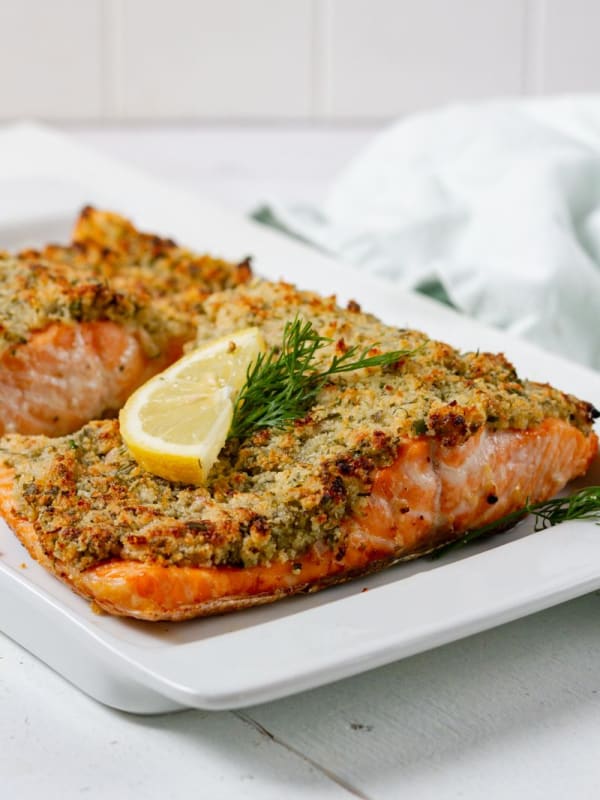
Twelve minutes of cooking is a strong selling point when your energy is already gone by dinner. Salmon provides high-quality protein along with omega-3 fatty acids, which are important components of cell membranes and play roles in brain and heart health. The almond flour crust adds additional fats and some fibre, while fresh herbs, lemon, garlic and capers bring plenty of flavour without requiring an elaborate sauce. It serves four and requires very little active cooking once the topping is mixed. Pair it with an easy vegetable, salad or leftover grain and dinner is handled.

Megan Horsley
These salmon burgers take a little effort upfront but give you six portions that can make future meals easier. Salmon provides protein and omega-3 fats, while sweet potato contributes carbohydrates and beta-carotene and flax adds fibre and plant-based omega-3s. Using canned salmon instead of fresh is an easy shortcut when capacity is low. Once the patties are made, they can become a flexible base for several meals: tuck one into a bun, serve it over greens or pair it with whatever vegetables you already have.

Kelsey Russell-Murray
This bowl covers the major pieces of a satisfying meal without requiring complicated ingredients: brown rice provides carbohydrates and fibre, halloumi adds protein, vegetables bring colour and micronutrients, and tahini contributes fats and minerals. It takes about 20 minutes and is highly adaptable, which is useful when an extra grocery run feels impossible. Swap the grain or vegetables for whatever is already available. Making several portions at once also creates ready-made lunches or dinners, giving you a balanced template that can be reheated or assembled without reinventing the meal every time you’re hungry.
Julia Gibson
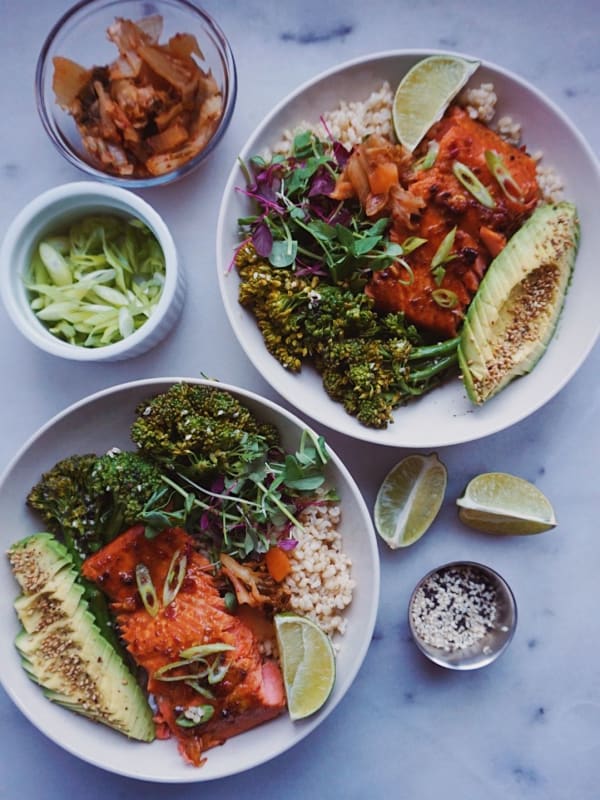
Salmon provides omega-3 fatty acids and vitamin B12, nutrients with established roles in normal brain and nervous-system function. Brown rice adds fibre-rich carbohydrates, while broccolini, avocado and microgreens contribute additional vitamins, minerals and fats. The recipe makes five servings, so it can also work as a meal-prep dinner rather than a one-night effort. Marinate the salmon ahead and cook the rice in a larger batch, and you’ll have much of the work completed before the next demanding day arrives. Reducing future workload is part of what makes this bowl especially useful.
Kelsey Russell-Murray
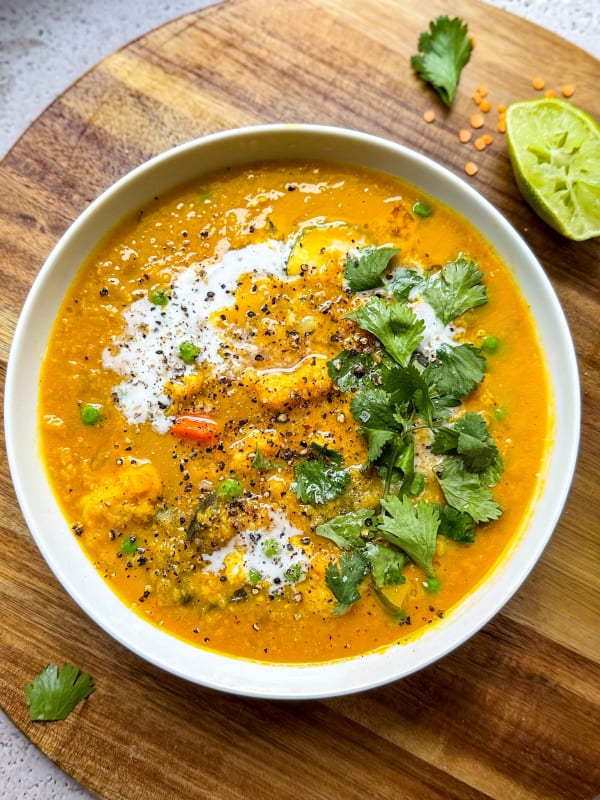
A big pot of curry can do a lot of work for you during a stressful week. Red lentils provide plant protein, fibre, iron and folate, while the generous mix of vegetables contributes a broad range of vitamins, minerals and plant compounds. Everything cooks together in one pot, which means fewer dishes, and the recipe makes several substantial servings. Pair it with rice, naan or roti to add carbohydrates and stretch it even further. The combination of batch cooking, one-pot cleanup and pantry-friendly ingredients makes this a useful meal to have available when energy is limited.

Jaclyn Irwin
A warm bowl of beef stew can provide both comfort and substance during periods when stress has made meals feel like an afterthought. Beef offers protein, iron, zinc and vitamin B12, while carrots and aromatics add vegetables and flavour and noodles provide satisfying carbohydrates. This recipe makes six servings, so although the cooking time is longer, the payoff is several meals rather than one. Stews are also well suited to reheating, making this something you can prepare on a lower-stress day and rely on later when cooking dinner from scratch feels overwhelming.

Jaclyn Irwin
This is one of the strongest weeknight options in the collection. Salmon and squash cook largely on the same sheet pan, reducing both hands-on work and cleanup, and the entire recipe takes about 25 minutes. Salmon contributes protein and omega-3 fatty acids, squash brings fibre-rich carbohydrates and quinoa rounds out the meal with more carbohydrates, fibre and plant protein. The gochujang sauce makes it feel far more interesting than the effort required would suggest. When burnout is high, a flavourful dinner that doesn’t generate a sink full of dishes is an especially useful combination.

Jaclyn Irwin
This recipe takes time, but most of that time is not spent actively cooking. Beef, potatoes, carrots, celery and onions all cook together in one Dutch oven, giving you protein, carbohydrates and vegetables from a single pot. Beef also supplies iron, zinc and vitamin B12, nutrients involved in normal energy metabolism and neurological function. The recipe makes four generous servings and lends itself well to leftovers. It’s a good choice for a weekend when you can get dinner started, let the oven do much of the work and have substantial food available afterwards.

Julia Gibson
One pan, six servings and a solid nutritional mix make this a standout for overloaded weeks. Cod provides lean protein, while cauliflower, tomatoes and onion add vegetables and fibre and olive oil, olives and almonds contribute unsaturated fats. Everything develops together in the same oven-safe skillet, cutting down on separate cooking steps and dishes. Because it makes six servings, the initial cooking session can also provide leftovers for future lunches or dinners. The recipe is flexible enough to substitute chicken, beans or chickpeas, helping you use what you already have.

Megan Horsley
Soup is particularly useful during burnout because a single pot can become several complete meals. This version makes six servings and combines chicken thighs and black beans for protein, beans for fibre, tortillas for carbohydrates and avocado for healthy fats. Once the base ingredients are in the pot, much of the cooking happens with minimal attention. Leftovers reheat easily, and toppings can be as elaborate or as simple as your energy allows. Make the full recipe once and you have a comforting, substantial dinner waiting in the fridge instead of having to start over the next night.

Julia Gibson
This nourish bowl combines lean turkey, brown rice and a generous range of vegetables, herbs and tahini for a meal containing protein, carbohydrates, fibre and fats. Ground turkey cooks quickly, while rice and roasted cauliflower can be prepared in larger batches for easier meals later in the week. Tahini contributes minerals such as magnesium and iron, and the variety of vegetables broadens the overall nutrient mix. Because the recipe makes four servings and its components store well separately, it works particularly well as planned leftovers for demanding lunches or dinners.
Jaclyn Irwin
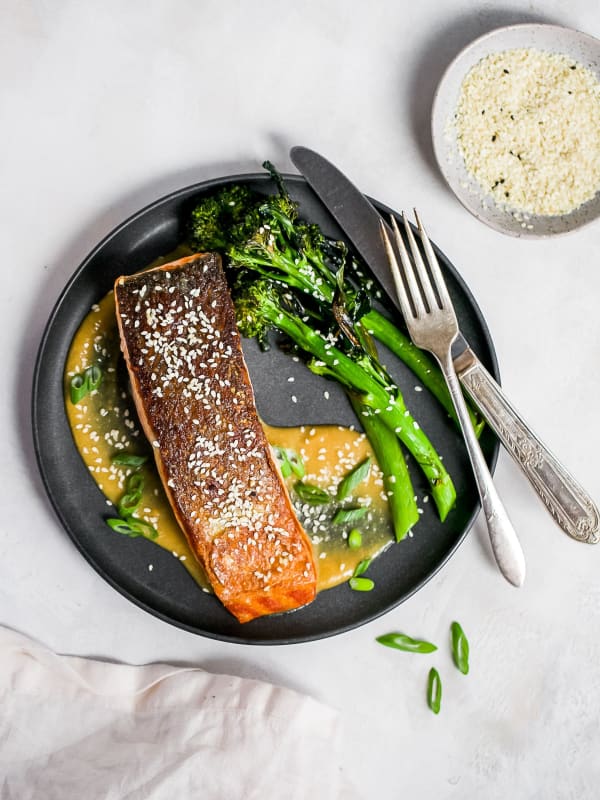
Fifteen minutes is about as burnout-friendly as dinner gets. This simple meal pairs salmon with broccolini and a quick miso-sesame dressing, providing protein and omega-3 fats alongside a nutrient-dense green vegetable. There are only a few steps, and the broccolini roasts while the salmon cooks, so you’re not juggling a long list of components. Add leftover rice, quinoa or another easy carbohydrate when you want a more substantial meal. It’s a useful reminder that getting a nourishing dinner on the table doesn’t always require meal prep or an hour in the kitchen.
Tina Gravalos
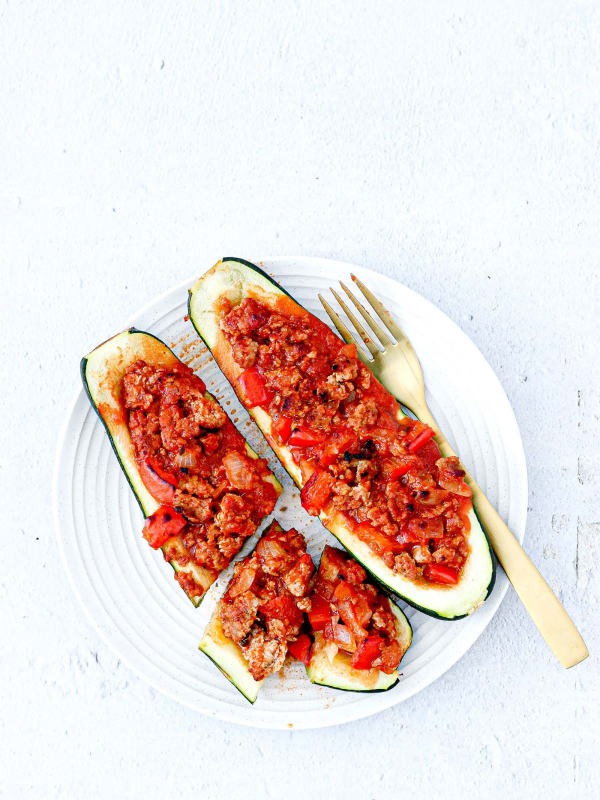
These zucchini boats combine lean ground turkey with zucchini, peppers, onion and tomato sauce, giving you protein and vegetables in one dish. The recipe also stores for up to three days, so making extra can help cover another lunch or dinner. There is some assembly involved, but once the boats are filled they bake largely unattended, leaving you free to step away from the kitchen. Serve them alone when appetite is lighter or add bread, rice or another carbohydrate for a more substantial meal. Flexible leftovers make them practical during an unpredictable week.
Fran Allen
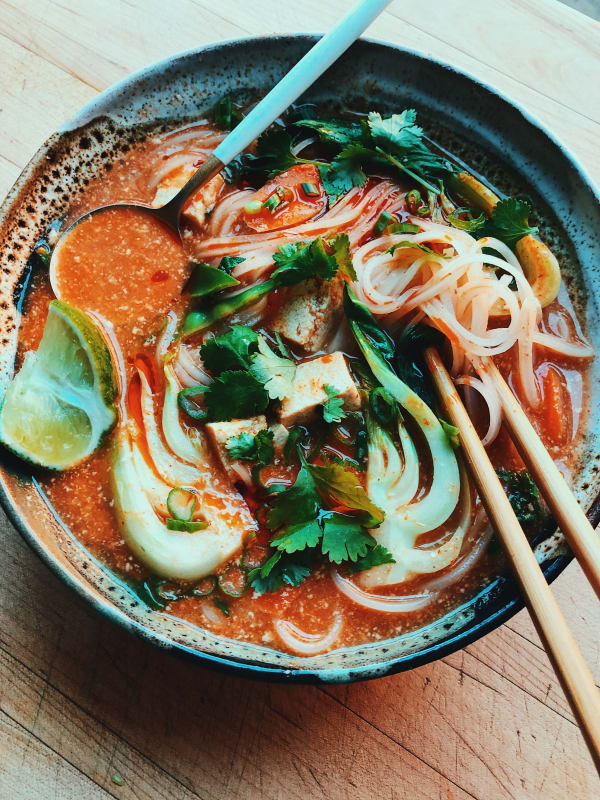
This recipe leans heavily on smart kitchen shortcuts, which is exactly what we want during burnout. Vegetable broth, curry paste, tofu, rice noodles and vegetables come together in about 30 minutes for a warm, comforting bowl with protein, carbohydrates and vegetables. Tofu contributes plant protein, while bok choy and snow peas bring additional micronutrients and fibre. There’s no need to make broth from scratch or build flavour through hours of cooking. When energy is low, using convenient ingredients to get a satisfying meal on the table is a strategy, not a nutritional compromise.

Megan Horsley
One-pot chicken and rice has obvious appeal when your capacity for cooking and cleaning is low. Chicken thighs provide protein, brown basmati rice brings carbohydrates and fibre, and everything cooks together with stock, coconut milk, herbs and aromatics in a single skillet. It makes four servings, so there’s a good chance one cooking session can cover tomorrow’s lunch or dinner as well. Meals that combine the protein, carbohydrate and flavour components in one pot reduce the number of separate decisions and dishes involved, making eating well feel much more manageable during demanding stretches.

Julia Gibson
This curry combines cod, black rice, vegetables and coconut milk into a satisfying meal with protein, carbohydrates and fats. Cod provides lean protein, while black rice contributes fibre and the vegetables broaden the meal’s micronutrient content. It takes about 40 minutes and makes four servings, so it works particularly well when you want dinner to become tomorrow’s lunch as well. Curry paste does much of the flavour-building for you, eliminating the need to measure a long list of individual spices when your brain would rather not make another decision.

Kelsey Russell-Murray
When stress turns the afternoon into a blur, having a ready-made snack can make it easier to eat before you reach the point of being ravenous. These stuffed dates combine naturally sweet Medjool dates with peanut butter, chia, hemp hearts and sunflower seeds for carbohydrates, fibre, fats and some protein. Nuts and seeds also provide minerals including magnesium. There is no baking involved, and the recipe makes several servings, so you can prepare a batch at once and keep them ready to grab. They also satisfy the desire for something sweet without requiring a baking project.

Megan Horsley
Batch-made snacks can be one of the easiest ways to support yourself through a demanding week. Each of these muffins contains 14 grams of protein, thanks to eggs, almond flour and protein powder, helping make them more substantial than a typical muffin. Make six at once and you have a portable option for mornings, commutes or afternoons when there isn’t time to prepare something. Matcha does contain caffeine, so anyone who finds caffeine increases feelings of jitteriness or affects sleep may prefer these earlier in the day rather than using them as a late-afternoon energy fix.

Kelsey Russell-Murray
Stress management doesn’t require pretending dessert doesn’t exist. These brownies give you the chocolatey, fudgy experience you want while incorporating black beans, walnuts and flax for fibre, healthy fats and plant-based nutrients. Walnuts and flax provide plant-based omega-3 fatty acids, while beans add fibre and some protein. They’re also relatively low-effort because the batter comes together largely in a food processor or blender. One batch makes several portions and keeps well in the refrigerator, giving you something sweet on hand without needing to bake every time the craving hits.

Danielle Wiens
Nutrition is only one piece of managing stress, and this warm drink fits the collection more through routine and relaxation than through macronutrients. Chamomile, warm almond milk, cinnamon, vanilla and honey create a caffeine-free beverage designed to be sipped slowly at the end of the day. The preparation itself takes about 15 minutes and can become a cue to transition out of work mode and into an evening routine. No drink can guarantee better sleep or treat burnout, but creating a consistent, calming ritual before bed can still be a useful way to wind down.

Fran Allen
If coffee has started feeling less helpful and more like fuel for an already revved-up nervous system, this three-minute caffeine-free latte offers an easy alternative. Oat milk and black sesame tahini create a creamy drink with carbohydrates and fats, while sesame also provides minerals such as calcium, magnesium and iron. More importantly for this collection, it offers the comfort and ritual of a warm morning drink without requiring caffeine. With only four ingredients and almost no preparation, it’s an easy swap on days when you still want the mug-in-hand experience but not another coffee.

Jaclyn Irwin
This warm turmeric latte takes just five minutes and provides a caffeine-free option for moments when another coffee doesn’t sound like the best idea. Turmeric, cinnamon and ginger add plenty of flavour, while coconut milk gives the drink a creamy base and a little honey adds sweetness. We wouldn’t frame it as a cure for inflammation, stress or burnout, but it can serve as a simple, comforting ritual during a busy day or evening. When the objective is creating small moments of rest without adding another complicated wellness task, simplicity is part of the appeal.
Share this article