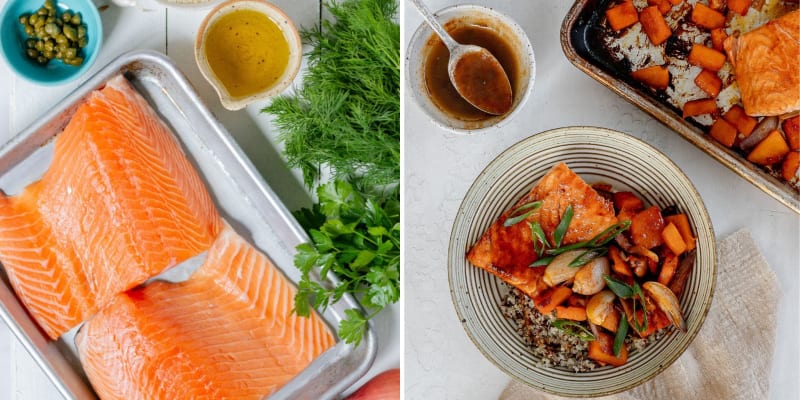
Popular Conditions & Diets

Living with ADHD can make everyday routines feel a little more complicated, and that often includes eating well. Between busy schedules, decision fatigue, and the temptation to reach for convenience foods, putting together balanced meals isn't always easy.
While there's no such thing as an "ADHD diet," growing research suggests that overall diet quality can play a meaningful role in supporting brain health, energy levels, and symptom management. Eating enough protein, including omega-3-rich foods, choosing plenty of colourful fruits and vegetables, and building meals around minimally processed ingredients may all help support better focus and more stable energy as part of a healthy lifestyle.
The good news? You don't need a completely different way of eating. Many everyday meals naturally include the nutrients researchers associate with better brain health.
There's no single ingredient that's been proven to improve ADHD, but research consistently points toward overall eating patterns rather than individual "superfoods." The most supportive meals tend to combine nutrient-dense ingredients that help fuel both the brain and body.
When choosing recipes for this collection, we looked for meals that include one or more of the following:
These recipes aren't intended to treat ADHD, but they do reflect the nutrition principles most consistently supported by current research and are a delicious way to build healthy eating habits into your routine.
Julia Gibson
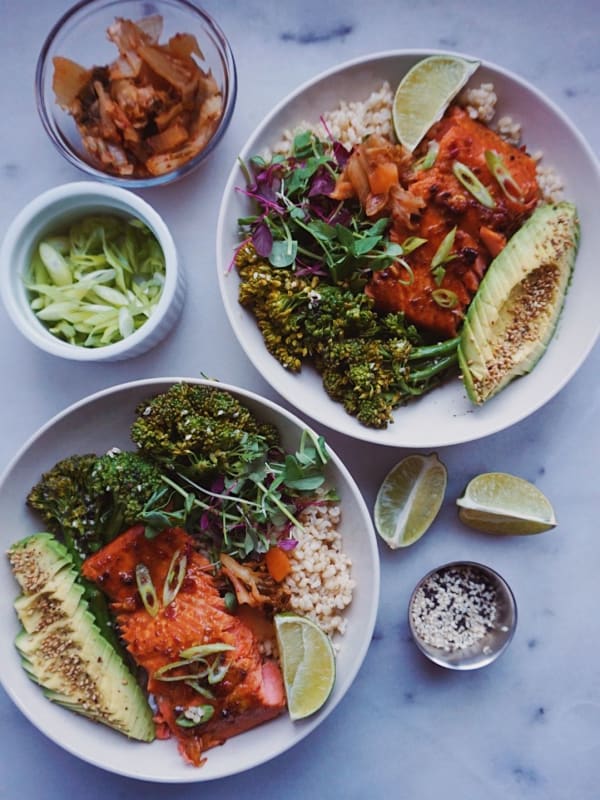
What makes this one of our favourite ADHD-friendly recipes? It brings several brain-supportive ingredients together in one satisfying bowl. Salmon provides protein, vitamin B12 and omega-3 fatty acids, which play an important role in normal brain structure and function. Brown rice offers fibre-rich carbohydrates for sustained energy, while broccolini, microgreens and avocado add vitamins, minerals and healthy fats. Kimchi and miso also bring fermented foods and plenty of flavour. This balanced salmon bowl is a practical lunch or dinner for anyone looking to include more protein, vegetables and nutrient-dense whole foods in their routine.

Carley Nadine
When you need an easy high-protein meal that does not require a long ingredient list, this Arctic char bowl delivers. Arctic char provides satisfying protein and omega-3 fatty acids, while quinoa adds fibre, complex carbohydrates and additional plant protein. Hemp hearts contribute healthy fats and minerals, and peppery arugula gives the bowl a fresh serving of leafy greens. It is also highly adaptable: chicken, tofu, steak or eggs can replace the fish. That flexibility makes it a useful ADHD-friendly meal idea for days when planning feels difficult or you need to work with ingredients already in the fridge.
Fran Allen
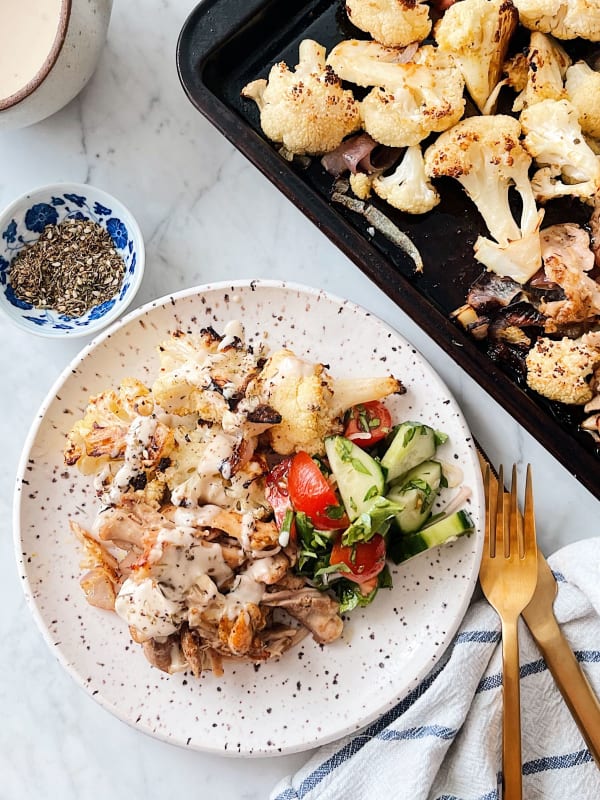
Easy ADHD-friendly dinners should be nutritious, but they also need to be realistic. This sheet pan chicken shawarma keeps preparation and cleanup manageable by cooking the chicken, cauliflower and onion together. Chicken thighs provide plenty of protein, while cauliflower contributes fibre, vitamins and minerals. Tahini and extra-virgin olive oil add satisfying fats, and the blend of cumin, turmeric, coriander, cinnamon and za’atar creates bold flavour without relying on a heavily processed sauce. Serve it alone or add pita and a chopped salad for a balanced meal that can also be prepared ahead for simple, protein-rich weekday lunches.

Jaclyn Irwin
This one-pan chicken and artichoke recipe is a flavourful option for anyone searching for protein-rich ADHD meal ideas with minimal cleanup. Chicken provides the main source of protein, while artichokes, red onion, garlic and lemon add vegetables, fibre and plant compounds. Extra-virgin olive oil and olives bring heart-healthy unsaturated fats inspired by Mediterranean-style eating patterns. Because everything finishes cooking in one skillet, the recipe reduces the number of steps, pans and decisions involved in making dinner. Pair it with brown rice, quinoa or a simple salad when you want a more complete meal with additional fibre and carbohydrates.

Kelsey Russell-Murray
Can a plant-based meal provide enough protein and staying power? This spicy chickpea peanut stew combines chickpeas and natural peanut butter to deliver plant protein, fibre and satisfying fats in one warming dish. Bell peppers, spinach, onions, garlic and tomatoes add colour and a broad mix of nutrients, while the simple one-pot method keeps preparation approachable. It can be served on its own or paired with brown rice or whole-grain naan for additional energy. The stew also stores and reheats well, making it an especially useful ADHD-friendly meal-prep recipe for lunches or dinners during a demanding week.

Megan Horsley
This quick tempeh stir-fry is ready in about 15 minutes, making it one of the most practical ADHD-friendly recipes in the collection. Tempeh provides substantial plant-based protein and is paired with broccoli, carrots, purple cabbage, microgreens and kelp noodles for a colourful, vegetable-packed meal. Sesame oil and sesame seeds contribute healthy fats, while miso, ginger, garlic and coconut aminos build plenty of savoury flavour. It is also adaptable: another noodle can replace the kelp noodles, and a different protein can be used when tempeh is unavailable. Fast, flexible meals like this can make balanced eating easier to maintain consistently.
Megan Horsley
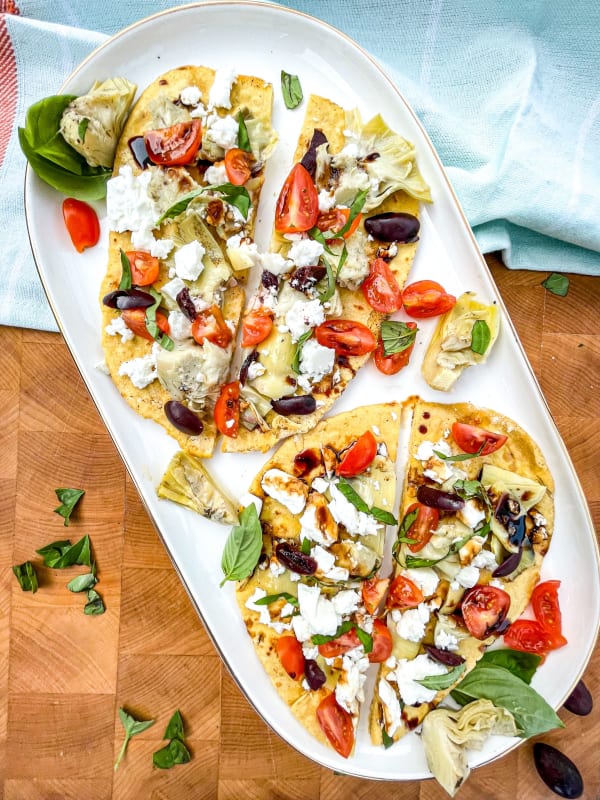
This Mediterranean-inspired chickpea flatbread offers a satisfying combination of protein, fibre, vegetables and healthy fats. Chickpea flour forms the base, giving each flatbread more plant protein and fibre than many refined-flour alternatives. Artichokes, cherry tomatoes, olives and basil add colour and variety, while feta contributes additional protein and a salty, creamy finish. Enjoy it as a lighter meal, a hearty snack or an appetizer shared with family. For people looking for ADHD-friendly recipes, its biggest advantage may be versatility: the flatbread can be prepared with different vegetables and toppings, helping reduce boredom while keeping the basic preparation familiar.

Megan Horsley
This lentil shepherd’s pie is a comforting way to include more legumes and vegetables in an ADHD-friendly eating pattern. French lentils provide plant protein and fibre, while carrots, parsnips, celery, mushrooms, peas, corn, cauliflower and sweet potato create a meal with plenty of colour and nutritional variety. The sweet potato and cauliflower topping supplies carbohydrates and fibre without making the meal feel less comforting. Although it takes longer than some recipes in this collection, it serves six and reheats well. Preparing one large dish can reduce future cooking decisions and provide ready-made lunches or dinners for several busy days.

Jennifer Barr
What is a good make-ahead breakfast for ADHD? These plant-based frittata cups combine chickpea flour, broccoli, spinach, cashews and nutritional yeast for a portable breakfast rich in plant protein, fibre and vegetables. Because they can be stored in the refrigerator for several days, they offer a ready-to-eat option when mornings are rushed or preparing a full meal feels overwhelming. They can also work as a snack or lunch side. Eating a balanced breakfast with protein and fibre may support fullness and steadier energy through the morning, making these frittata cups a practical addition to an ADHD-friendly meal-prep routine.
Julia Gibson
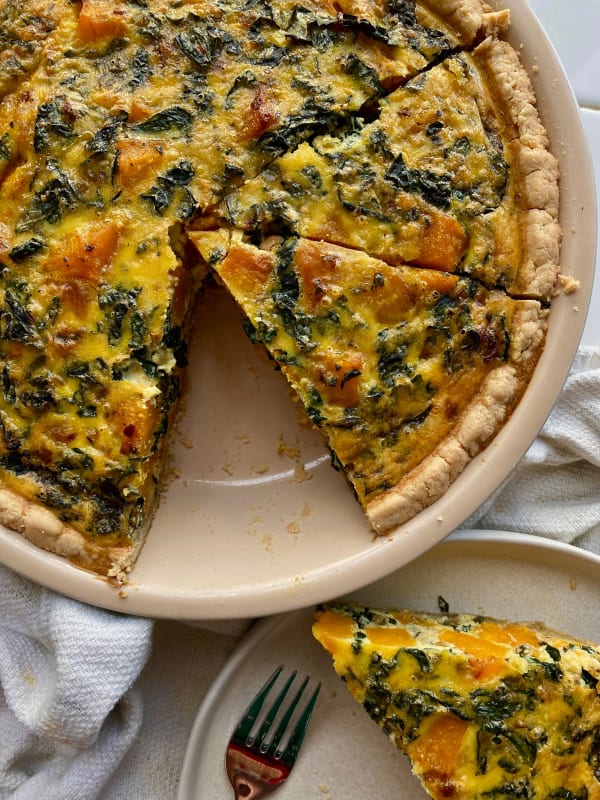
This squash, kale and sage quiche makes a nourishing breakfast, brunch or easy meal-prep lunch. Eggs provide high-quality protein along with nutrients involved in normal brain function, while butternut squash and kale contribute fibre, vitamins, minerals and colourful plant compounds. The almond and oat flour crust adds more nutritional value than a standard refined-flour crust, and the recipe can be sliced and refrigerated for meals throughout the week. For anyone searching for high-protein ADHD breakfast ideas, this quiche offers a satisfying alternative to sweet breakfasts and can help make a balanced morning meal easier to grab and reheat.

Megan Horsley
This family-friendly recipe turns classic sloppy Joe flavours into a balanced high-protein meal. Ground turkey provides lean protein, while carrots, celery, onions and garlic add vegetables directly to the filling. Sweet potatoes contribute fibre-rich carbohydrates, potassium and antioxidant plant pigments, helping create a meal with protein, produce and satisfying energy in every serving. The recipe is also easy to adapt by replacing the turkey with tempeh for a plant-based version. For families looking for ADHD-friendly dinner ideas, this recipe offers familiar flavours, hidden vegetables and a simple format that may appeal to both adults and children.

Bianca Osbourne
Overnight oats can be especially helpful when executive function, limited time or rushed mornings make breakfast difficult. This orange creamsicle version is prepared several hours in advance, so there is no cooking required when it is time to eat. Rolled oats provide whole-grain carbohydrates and fibre, while oranges, raspberries and blueberries add vitamin C, antioxidants and bright flavour. Because the original recipe is relatively low in protein, pair it with Greek yogurt, cottage cheese, nuts, seeds or a boiled egg to create a more balanced ADHD-friendly breakfast. Reducing morning decisions can be just as valuable as choosing nourishing ingredients.

Fran Allen
This cabbage roll bowl delivers the comforting flavour of traditional cabbage rolls without the time-consuming rolling and assembly. Ground turkey supplies protein, cabbage adds fibre and vegetables, and rice provides carbohydrates for a complete and satisfying meal. Tomatoes, garlic, shallots, dill and paprika create plenty of flavour, while sauerkraut contributes a tangy fermented ingredient. The entire dish can be prepared in one pot, and leftovers work well for meal-prep lunches. For people searching for easy ADHD-friendly dinner recipes, this meal offers a useful combination of balanced nutrition, familiar comfort-food appeal and fewer complicated preparation steps.
Jennifer Barr
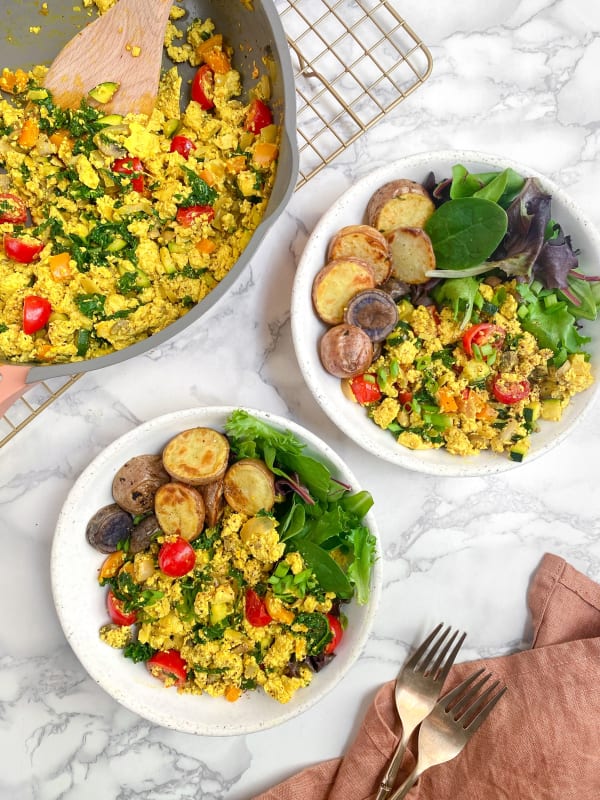
This veggie-packed tofu scramble is a flexible, high-protein breakfast for people who prefer a savoury start to the day. Extra-firm tofu provides plant protein, while mushrooms, bell pepper, zucchini, kale and tomatoes add fibre, vitamins, minerals and plenty of colour. Nutritional yeast adds a savoury flavour and additional nutrients, and the finished scramble can be served on toast, in a wrap, inside a baked sweet potato or alongside greens. It also keeps well for meal prep. This adaptability makes it one of the strongest vegan ADHD-friendly breakfast recipes for reducing food waste and simplifying meals throughout the week.

Fran Allen
This lighter grilled chicken Parmesan is a strong fit for an ADHD-friendly recipe collection because it combines high-quality protein with fresh, minimally processed ingredients. Chicken breast provides a substantial source of protein, which helps make meals more satisfying and supports steady energy throughout the day. Cherry tomatoes, basil, garlic and lemon add colour, flavour and a variety of plant compounds, while extra-virgin olive oil contributes healthy fats. Serve it with whole-grain pasta, roasted vegetables or a large green salad to create a more balanced meal with added fibre and carbohydrates.
What are the best foods for ADHD? Current research suggests focusing on an overall healthy eating pattern rather than individual foods. Meals that include protein, omega-3-rich fish, vegetables, fruit, legumes, whole grains, and healthy fats are associated with better brain health and may help support energy and focus.
Is there a specific ADHD diet? No. There isn't one evidence-based diet that's been shown to treat ADHD. Instead, experts recommend building balanced meals with whole, minimally processed foods while limiting sugar-sweetened beverages and highly processed foods whenever possible.
Are high-protein meals good for ADHD? Protein is an important part of a balanced diet because it helps promote fullness, supports stable blood sugar levels, and provides amino acids needed to produce neurotransmitters involved in brain function. Many experts recommend including a source of protein at every meal, especially breakfast.
Are omega-3 fats important for ADHD? Omega-3 fatty acids are essential for brain structure and function. While research on omega-3 supplements shows mixed results, regularly eating fatty fish like salmon or trout is a practical, nutrient-rich way to increase omega-3 intake.
Can diet cure ADHD? No. ADHD is a complex neurodevelopmental condition, and diet alone isn't a cure. However, nutrition can be an important part of a comprehensive approach to managing symptoms alongside medical care, behavioural strategies, regular physical activity, and good sleep habits.
What recipes are best for someone with ADHD? Recipes that combine protein, healthy fats, fibre, and colourful vegetables are a great place to start. Meals featuring salmon, eggs, lean poultry, legumes, whole grains, and plenty of vegetables can help make it easier to build balanced eating habits that support overall brain health.
Share this article