Popular Conditions & Diets

"America is the greatest country on Earth," begins the official website of the incendiary 2026 diet guidelines set forth by RFK Jr. and the Trump Administration. "...and the sickest."
Scrolling down, we see a huge embedded video close-up of Mike Tyson's Super Bowl spot. Clearly, this is not our grandparents' stuffy old food pyramid. It is something much more sensational, confrontational, and, well, ridiculous. The guidelines and other White House communiques have explicitly "ended the war on protein," "ended the war on healthy fats," and 'declared war on added sugar.'
It's not surprising that nutrition advice from a president as divisive as Donald Trump, or from health czars like RFK Jr and Dr. Oz, would invite a firestorm of controversy. This would happen no matter what it looked like or how much war was involved in the surrounding rhetoric. But how crazy are these new guidelines, really? Are people reacting to the political odour, the alleged corruption involved in producing them, or the recommendations themselves?
Let's examine how the new U.S. guidelines invert traditional advice, assess whether they are as risky as critics claim, and untangle the nutritional facts fuelling the debate.
The most dramatic change in the 2026 dietary guidelines is the elevation of protein to centre stage. Earlier federal recommendations treated protein as just one component of a balanced diet, sitting inconspicuously at the tip of the pyramid.
The new guidelines push daily intake much higher, deviating from the previous 0.8 grams per kilogram of body weight. Now it jumps to a whopping 1.2-1.6 grams per kilogram. For a 150 lb. person, this translates to 82-109 grams of protein per day.
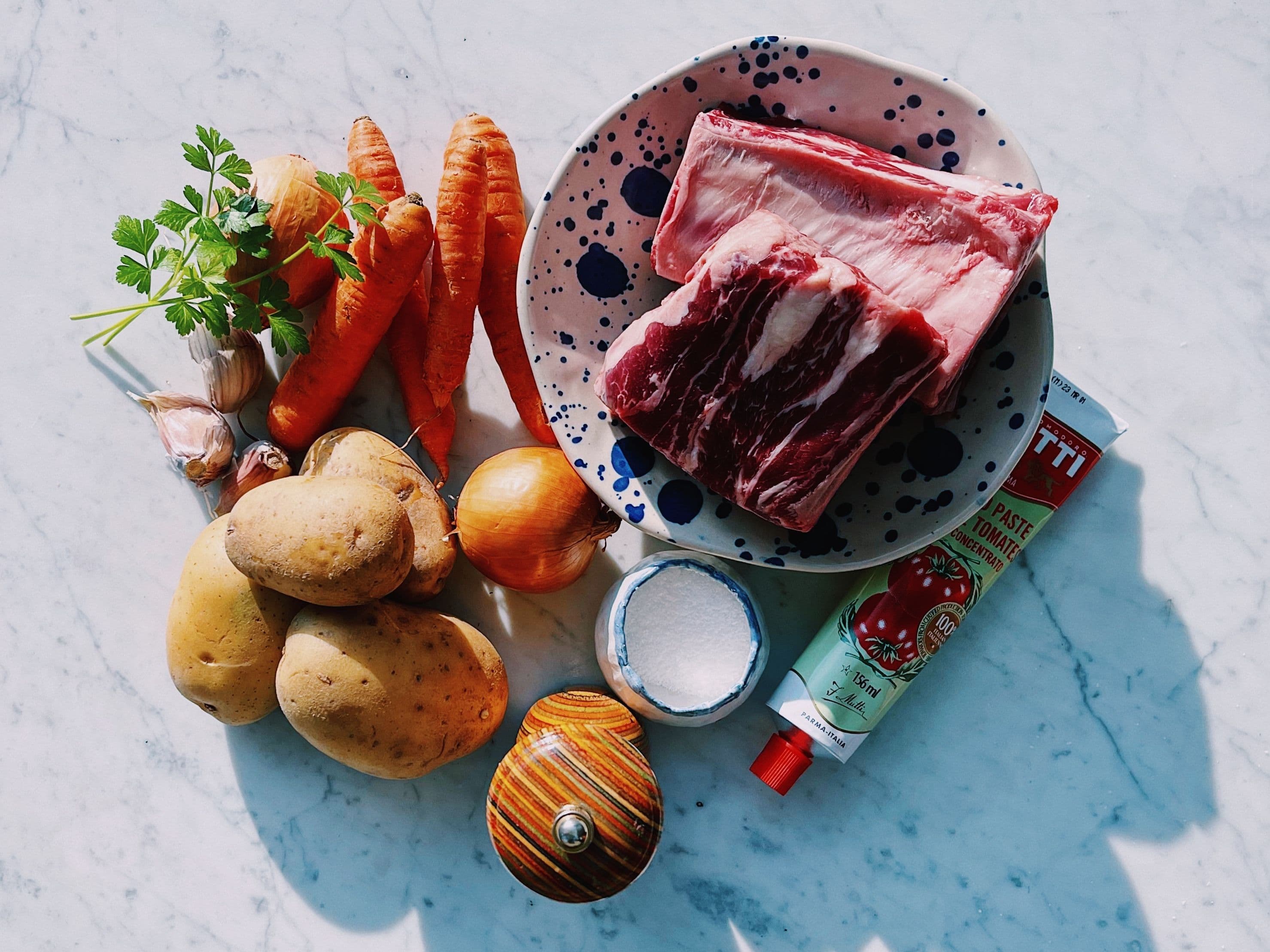
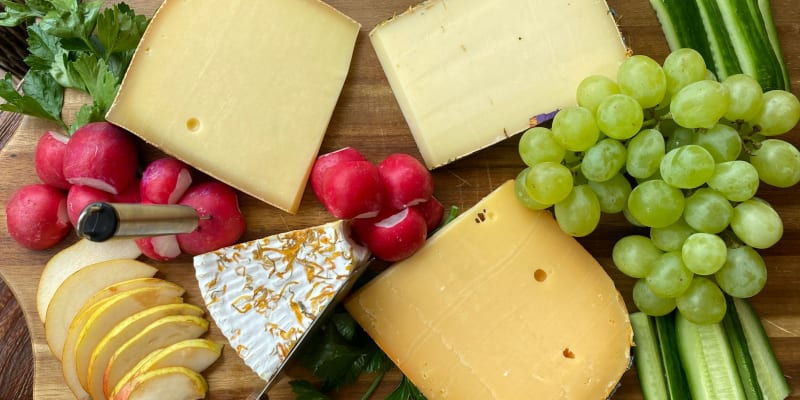
In the new upside-down pyramid, animal proteins occupy the prominent top-left corner spot. Rather than being occasional additions, meat, eggs, and dairy are presented as dietary anchors. They'll need to be if someone is going to get about 100g every day. Full-fat dairy products such as yogurt and cheese are now encouraged. Traditional fats such as butter and beef tallow are explicitly listed as acceptable choices.
The guidelines' other major change is that grains, formerly the foundation of the pyramid, have been radically de-emphasized. Earlier versions recommended 6-11 servings per day. The new guidelines suggest only 2-4.
For the first time, low-carbohydrate diets have also received official recognition as potentially appropriate for people with chronic disease. This is a category that incidentally accounts for the vast majority of American adults. Estimates suggest that only a small minority meet standards for optimal metabolic health.
Taken together, these changes amount to a major reaction against and a break from decades of low-fat, high-carb advice. Foods that were put in the backseat for generations are officially back on the table. The traditional emphasis on piles of grains as the backbone of every meal has all but disappeared.


Predictably, the meaty new guidelines were met with immediate, intense criticism from many directions. For starters, the question of industry influence looms large. Several of the scientific reviewers involved in the current guidelines have documented ties to commercial beef and dairy groups.
Such connections have led critics to argue that the big shift toward meat and dairy might reflect business and politics more than nutritional science. After all, science hasn't really changed that much in the past five years. In truth, none of this is new. Analyses of previous dietary guideline committees also found that as much as 95 per cent of members had financial relationships with major food and drug corporations.
Even taken at face value, the recommendations contain striking internal contradictions. They emphasize protein-rich animal foods such as red meat and full-fat dairy. Yet they still maintain the long-standing recommendation that saturated fat should remain below 10 per cent of total calories. In practice, this means it could be easy to exceed the limit when consuming more animal foods, raising confusion about how these recommendations fit together.
Environmental concerns also hover in the background. Americans already consume more red meat—the most carbon-emitting sector in all of food production—than most populations. This raises fair questions about whether further increases are even sustainable.
Fibre is another concern. Fibre-rich foods such as nuts, seeds, and legumes are lower in the visual model than animal proteins. Whole-grain recommendations have also been significantly reduced. Considering the strong evidence linking fibre intake to lower risk of cardiovascular disease, diabetes, obesity, and colon cancer, some experts have pointed out that this is one big move backward.
The new alcohol guidance actually isn't that controversial—which is to say that everyone hates it. Previous guidelines were likely too generous in light of updated scientific consensus and WHO guidelines. However, they did establish clear and specific limits: one drink per day for women and two for men. In contrast, the new version recommends drinking less for better health in the most general possible terms. It does not set any clear quantities for harm reduction.
The strongest area of agreement is on the strict new stance against added sugar. The new recommendations stress that no amount of refined sugar is without risk. They set a strict limit of 10 grams per meal and recommend complete avoidance for children under ten.
The emphasis on reducing ultra-processed foods is also unprecedented. Where earlier dietary guidelines focused mainly on nutrients such as fat and cholesterol, the latest version explicitly targets UPFs. This much-praised, largely bipartisan shift could have significant implications for institutional settings such as school lunch programs. In these settings, highly processed foods are ubiquitous.
Finally, the guidelines acknowledge metabolic health as a major national concern. The never-before-seen recognition of low-carbohydrate diets as a legitimate avenue for some people reflects the reality. Obesity, diabetes, and insulin resistance affect a huge swathe of the population.
Apart from the hullabaloo around protein and animal fats, many critics agree with the broader message. Focus on whole foods while limiting refined sugar and heavily processed products.
It's easy to question the importance of dietary guidelines. Who really pays attention anyway? As far as regular people are concerned, studies show they are largely ignored.
However, the guidelines have an enormous influence in institutional settings. Federal nutrition programs—including school meals, military and healthcare facilities, and food assistance programs—all take direct cues from them. This means even modest changes to the federal recommendations can shape the diets of millions of people every day.
For that reason alone, changes to federal nutrition policy have a major impact.

The 2025-2030 dietary guidelines are dramatic, controversial, and unmistakably shaped by politics. They increase protein, reduce grains, recognize low-carb diets, impose strict limits on added sugar, and issue a clear warning against ultra-processed foods.
At the same time, they contain their own contradictions and take questionable positions on unresolved debates. This reflects the complex stew of science, economics, and politics that always shapes nutrition policy. Where critics once bristled at the idea that guidelines were shaped by grain interests, the centre of gravity has now swung toward the meat and dairy industries. Grains used to be the foundation of the pyramid. Now animal protein has come to the fore—go figure.
Like every set of dietary guidelines before them, these recommendations are neither purely nutrition-focused nor purely ideological. Dietary advice at the federal level has always reflected a spicy balance of economic influences and cultural assumptions as much as health science.
And despite the rhetoric about wars on fat or protein, the reality is much less dramatic than either supporters or critics would suggest. After all, the guidance on saturated fat hasn't changed a bit. Colourful veggies and fruits are still all over the pyramid. There are some good ideas in these guidelines, along with questionable ones, and a lot of old, mixed in with the new.
In the final analysis, the political drama surrounding the guidelines may be a useful reminder. Take federal food advice with a grain of salt (and a twist of pepper). Think independently and figure out what actually works best for you.
What changed in the new guidelines? Protein recommendations increased, and grain recommendations were reduced. Low-carb diets are now officially recognized as a valid potential option for those with metabolic disease.
Are saturated fats now considered healthy? The new guidelines promote full-fat dairy foods like yogurt and butter, but still set the same saturated fat limit as previous guidelines: no more than 10 percent of calories. This means while some sources are encouraged, the recommended cap on saturated fat has not changed.
Why have the new guidelines caused such controversy? Critics point to ties between advisors and the cattle and dairy industry, mixed messages on saturated fat, and reduced emphasis on fibre and whole grains. Moreover, the biggest change is a significant increase in daily protein intake, which many say is unnecessary or even potentially harmful.
How much do the dietary guidelines affect everyday people? While some have argued that people largely adhere to nutrition guidelines, evidence largely shows that most individuals don't follow them at all. However, federal programs such as school meals must follow them, making them important nonetheless.
If you enjoyed this article, you'll love Understanding macros beyond protein obsession and carb fear.
Aleccia, J. (2026, January 19). Why nutrition experts are wary of new federal dietary guidelines that advise doubling protein. PBS. https://www.pbs.org/newshour/health/why-nutrition-experts-are-wary-of-new-federal-dietary-guidelines-that-advise-doubling-protein
Alfonso Revenga Frauca, J., & Miguel Soriano del Castillo, J. (2026, January 30). The new US Food Pyramid is scientifically questionable, and upends decades of Trusted Public Health Advice. The Conversation. https://theconversation.com/the-new-us-food-pyramid-is-scientifically-questionable-and-upends-decades-of-trusted-public-health-advice-274082
Araújo, J., Cai, J., & Stevens, J. (2019). Prevalence of optimal metabolic health in American Adults: National Health and Nutrition Examination survey 2009–2016. Metabolic Syndrome and Related Disorders, 17(1), 46–52. https://doi.org/10.1089/met.2018.0105
Ball, L., & Burch , E. (2026, January 14). Prioritising protein? what the new US Dietary Guidelines get right – and wrong – according to 2 nutrition experts. The Conversation. https://theconversation.com/prioritising-protein-what-the-new-us-dietary-guidelines-get-right-and-wrong-according-to-2-nutrition-experts-273112
Click On Detroit | Local 4 | WDIV. (n.d.). Federal government releases new dietary guidelines, bringing back inverted food pyramid. YouTube. https://www.youtube.com/watch?v=l_FZ68zuwkQ
Conflicts of interest on USDA expert committee. The Nutrition Coalition. (n.d.-a). https://www.nutritioncoalition.us/conflicts-of-interest
Dietary guidelines for Americans realfood.gov 2025-2030 Dietary guidelines. (n.d.-a). https://cdn.realfood.gov/DGA_508.pdf
Dunbar, M. (2026, January 7). Trump administration releases updated dietary guidelines: “Eat Real Food.” The Guardian. https://www.theguardian.com/us-news/2026/jan/07/trump-administration-dietary-guidelines-rfk-jr
Food guide pyramid - an overview | sciencedirect topics. (n.d.-b). https://www.sciencedirect.com/topics/food-science/food-guide-pyramid
Guardian News and Media. (2026, January 7). Trump administration releases updated dietary guidelines: “Eat Real Food.” The Guardian. https://www.theguardian.com/us-news/2026/jan/07/trump-administration-dietary-guidelines-rfk-jr
Gustin, G. (2026, January 9). Reversing years of dietary advice, the Trump administration tells consumers to eat more Red Meat. Inside Climate News. https://insideclimatenews.org/news/09012026/trump-administration-dietary-guidelines-ignores-climate-impacts/
Halpert, M. (2026a, January 7). New US dietary guidelines call for more protein, less processed food. BBC News. https://www.bbc.com/news/articles/c8e5d2k2w4lo
Hesman Saey, T. (2026, January 8). New dietary guidelines flip the Food Pyramid. Science News. https://www.sciencenews.org/article/new-dietary-guidelines-food-pyramid
Kennedy, Rollins Unveil Historic Reset of U.S. nutrition policy, put Real Food Back at center of health. Food and Nutrition Service U.S. Department of Agriculture. (n.d.). https://www.fns.usda.gov/newsroom/usda-0003.26
Manian, C. (n.d.). I’m a registered dietitian. here’s my take on the controversial new dietary guidelines. Oprah Daily. https://www.oprahdaily.com/life/health/a69949254/dietary-guidelines-2025-explained/
Metabolic Mind. (n.d.). Breaking Down the 2025 Dietary Guidelines with Dr. David Ludwig & Gary Taubes. YouTube. https://www.youtube.com/watch?v=zvdppQNz1wo
Mialon, M., Serodio, P. M., Crosbie, E., Teicholz, N., Naik, A., & Carriedo, A. (2022). Conflicts of interest for members of the US 2020 dietary guidelines advisory committee. Public Health Nutrition, 27(1). https://doi.org/10.1017/s1368980022000672
New dietary guidelines underscore importance of Healthy Eating. American Heart Association. (n.d.). https://newsroom.heart.org/news/releases-20260107-6915862
New dietary guidelines were written by authors with strong ties to the food industry, doctors report. Physicians Committee for Responsible Medicine. (n.d.). https://www.pcrm.org/news/news-releases/new-dietary-guidelines-were-written-authors-strong-ties-food-industry-doctors
The New Food Pyramid, explained. College of Agriculture, Life & Environmental Sciences. (2026, January 22). https://cales.arizona.edu/news/new-food-pyramid-explained
The nutrition coalition. The Nutrition Coalition. (n.d.-b). https://www.nutritioncoalition.us/
Oğuz, S. (n.d.). Ranked: The foods with the largest environmental impact. Visual Capitalist. https://www.visualcapitalist.com/ranked-foods-with-the-largest-environmental-impact/
PBS NewsHour. (n.d.). Why experts are divided over the new federal dietary guidelines. YouTube. https://www.youtube.com/watch?v=zo-f0j1E_jY
Roeder, A. (2026, January 13). Understanding the New Dietary Guidelines for Americans. Harvard T.H. Chan School of Public Health. https://hsph.harvard.edu/news/understanding-the-new-dietary-guidelines-for-americans/
Simnett Nutrition. (n.d.). I Looked at the New US Food Guidelines And Something Doesn’t Add Up. YouTube. https://www.youtube.com/watch?v=AEDXw2iBD34
Tanne, J. H. (2026). RFK Jr unveils new US Food Pyramid recommending protein and full fat dairy, and removing alcohol limits. BMJ, 392. https://doi.org/10.1136/bmj.s57
Teicholz, N. (2025, February 12). The erosion of protein in the US dietary guidelines. The Nutrition Coalition. https://www.nutritioncoalition.us/news/erosion-of-protein-in-us-dietary-guidelines
U.S. Department of Agriculture. (n.d.). America’s new dietary guidelines. Eat Real Food. https://realfood.gov/
Share this article