Popular Conditions & Diets

Burnout can make even the simplest tasks feel overwhelming, including feeding yourself. Breakfast becomes coffee, lunch gets skipped, and dinner comes from a delivery app.
Unfortunately, chronic stress can disrupt appetite, food choices, and eating patterns, potentially creating a vicious cycle that makes it more difficult to maintain the habits that support your well-being.
The good news is that a little bit of thoughtful nutrition can help break that cycle. And while no diet can magically cure burnout, nourishing yourself is a powerful and practical way to support recovery. Here's how to do it.
When you're burned out, the first priority may simply be eating enough. Stress affects appetite differently: some people turn to comfort foods, while others lose interest in eating altogether. But skipping meals and relying on caffeine instead of food can leave you feeling even more depleted.
Aim for regular, satisfying meals containing protein, fibre-rich foods, and healthy fats. Scrambled eggs with avocado and multigrain toast, or Greek yogurt with berries and walnuts, can provide tremendous nourishment and satiety without much effort or time.
Forget strict schedules, perfect macronutrient ratios, or getting it right: the goal is to consistently give your body the basics it needs. Remember to stay hydrated, watch your caffeine intake (especially if coffee is replacing meals or disrupting sleep), and don’t try to reinvent the wheel.
Research linking dietary quality with burnout is encouraging. In one study of 630 Finnish working women, healthier eating was associated with fewer burnout symptoms. Foods like veggies, fruits, berries, and dairy products were particularly linked with lower burnout scores. Similarly, a 2025 study of 567 healthcare professionals found that greater adherence to a Mediterranean-style diet was associated with 51 per cent lower odds of burnout.
When you can, prioritize colourful produce, quality proteins, nuts, seeds, legumes, and healthy fats. And again, don’t make it too complicated: think salmon with roasted vegetables, lentil soup, or a satisfying salad with your favourite protein and a generous drizzle of olive oil. Mediterranean-style eating offers one useful template, but substance and enjoyment matter more than following any strict dietary prescription.


Some nutrients deserve special mention for their roles in neurological function and physiological stress responses.
Omega-3 fatty acids are a clear standout. In a 2021 randomized trial of 138 adults, taking 2.5 grams of omega-3s daily for four months resulted in 19 per cent lower overall cortisol and 33 per cent lower levels of the inflammatory marker IL-6 during a laboratory stress test, compared to placebo.
Although burnout wasn't studied directly- and the trial used supplements rather than foods- it provides evidence that omega-3s can influence the body's stress response. Salmon, sardines, and mackerel are excellent food sources.
Magnesium, the ‘chillout mineral’ found in leafy greens, nuts, seeds, and legumes, supports normal nervous system function. B vitamins, found in eggs, meat, fish, and legumes, help with energy metabolism and neurological health.
And don't forget that fibre is important for your mind as much as your gut: vegetables, fruit, legumes, and whole grains nourish important gut bacteria that produce compounds involved in immune regulation and gut-brain communication. There is no shortage of research showing the gut microbiome as a key link between diet and psychological health.
When you're exhausted, healthy eating shouldn't become another demanding project.
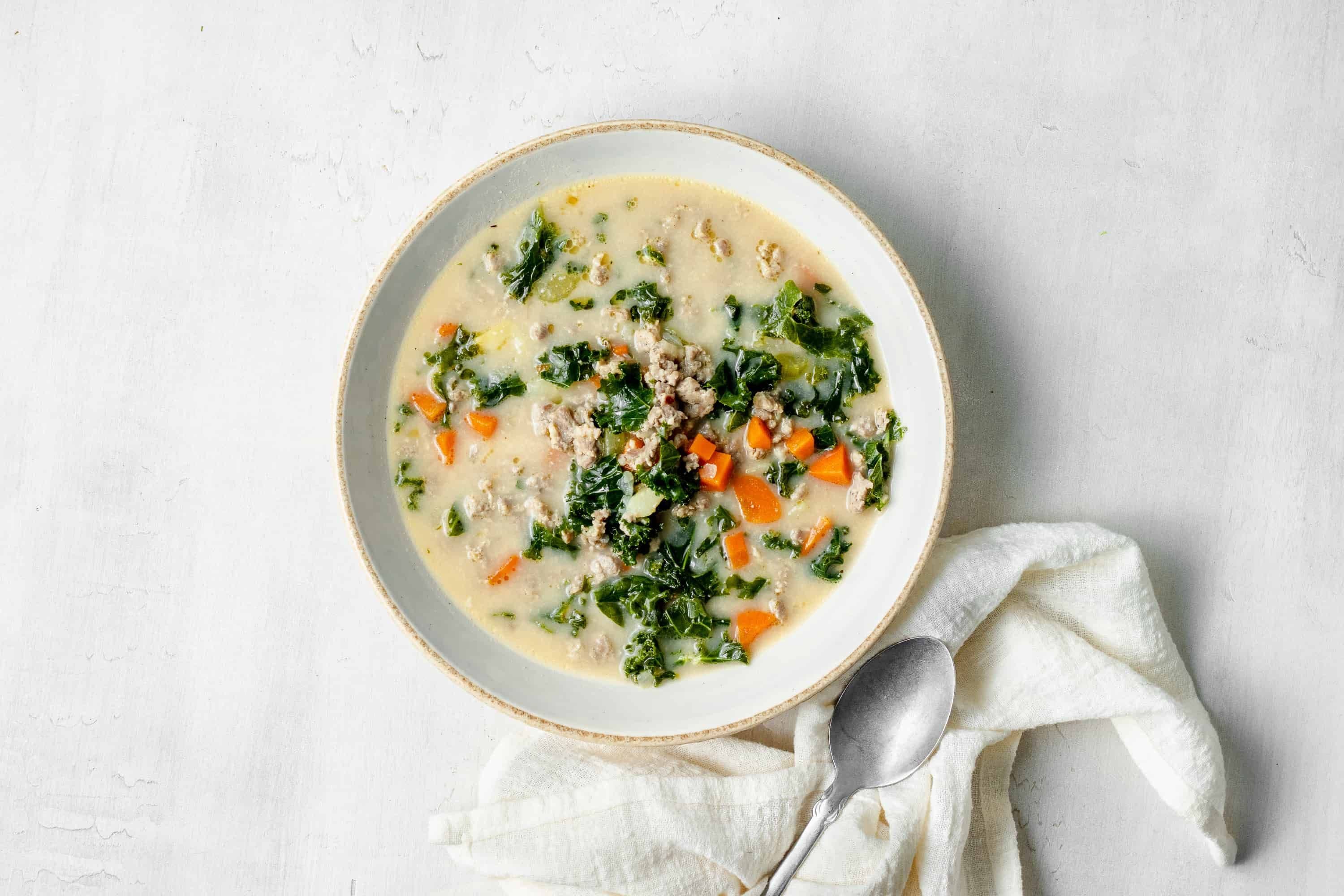
Keep effortless staples on hand: frozen veggies, canned fish and beans, eggs, yogurt, prewashed greens, and nuts. Soups, smoothies, stews, and one-pan meals can deliver plenty of nourishment with minimal preparation. Preparing extra portions when you have the energy can also make tomorrow's meals easier.
How you eat matters, too. Instead of working through lunch, take a break and enjoy your meal wherever possible. Mindful eating encourages awareness of hunger, fullness, and emotional eating patterns.
To fully overcome your burnout, you may also have to address the pressures that caused it in the first place. Nutrition can't do that work alone. But eating consistently, choosing nutrient-rich foods, and reducing barriers wherever possible to make meals easier can make an enormous difference in supporting your physical and psychological well-being while you recover.
Remember, the goal isn't to overhaul your entire diet overnight or add another demanding task to your already overwhelming schedule. Small, enduring changes can help you rebuild healthy habits and give your body the nutrition it needs to feel its best. Start with one nourishing meal, and build from there.
Share this article