Popular Conditions & Diets

It happens every year: you polish off a generous helping of turkey, mashed potatoes, gravy, stuffing, cranberry sauce, and maybe a slice of pie or three. Then, as if out of nowhere, your eyelids start to get heavy, your energy disappears, and the couch starts calling your name.
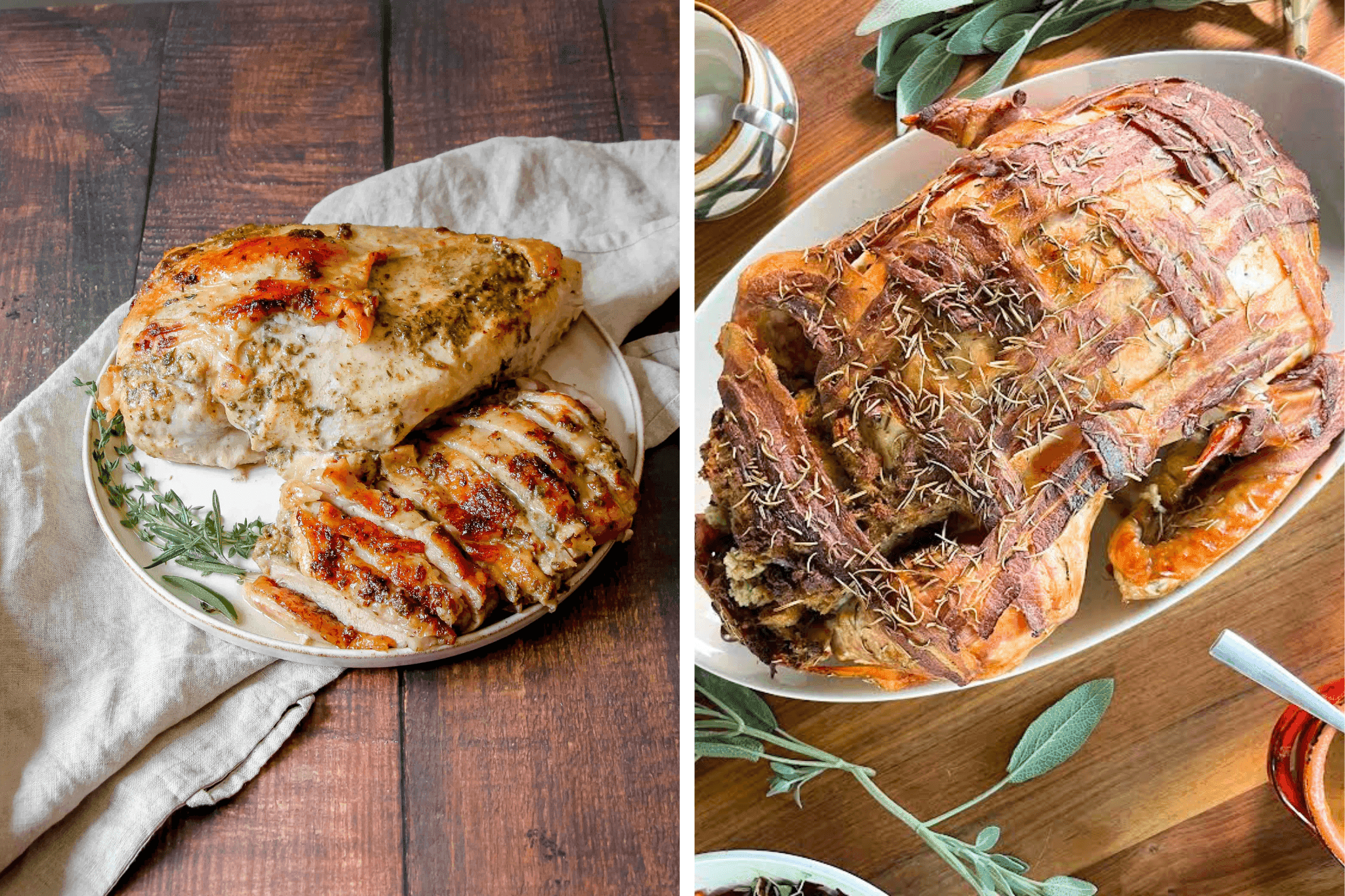
The prime suspect, according to popular wisdom, is the tryptophan in turkey.
But is the annual food coma really the bird's fault? Or should we be taking a closer look at what else is on the table?
It’s true that turkey contains tryptophan, an essential amino acid your body uses to produce serotonin, a neurotransmitter involved in functions including mood and sleep. Serotonin, in turn, can be converted into melatonin, the hormone that, among other things, controls the sleep-wake cycle.
So far, it all seems plausible enough: eat a concentrated source of tryptophan, and you end up with more melatonin. The thing is, when it comes to tryptophan, turkey isn't particularly special.
Other protein-rich foods, including tuna, chicken, and cheese, also contain comparable amounts of tryptophan. In fact, foods like Parmesan, cheddar, and pumpkin seeds can contain even more tryptophan per gram. Yet, nobody seems to complain about developing "Pumpkin Seed-itis." The truth is that, in terms of sheer math, the amount of tryptophan in a typical serving of turkey is unlikely to have a noticeable sedative effect.
More importantly, eating anything high in tryptophan won't guarantee it reaches your brain, it first has to compete with other amino acids for transport across the blood-brain barrier. All of this means that eating a protein-rich meal doesn't necessarily increase serotonin or melatonin production in the brain.
If the tryptophan in turkey isn't responsible, it's time to question the other culinary characters. And let’s be honest: in the turkey’s shadow lurks a carbohydrate extravaganza. Between mashed potatoes, stuffing, cranberry sauce, dessert, and drinks, it's easy, even for someone without much of a sweet tooth, to eat considerably more starch and sugar at Thanksgiving than they would in an ordinary meal.
Fascinatingly, carbohydrates may influence sleepiness through the very same tryptophan pathway that gives turkey its questionable reputation. When you eat carbohydrates, your body releases insulin. Beyond regulating blood sugar, insulin promotes the uptake of certain amino acids into muscle and other tissues. By possibly increasing the relative availability of tryptophan compared with competing amino acids in the bloodstream, it’s possible that more tryptophan gets shuttled across the blood-brain barrier, where it can be converted to serotonin and, subsequently, melatonin.
One 2003 study found that carbohydrate-rich and protein-rich breakfasts produced substantially different blood tryptophan ratios, potentially influencing serotonin synthesis. Another small clinical trial found that participants who ate a high-glycemic-index rice meal four hours before bedtime fell asleep faster than those who ate a low-glycemic-index meal.
While neither study proves that Thanksgiving carbohydrates cause immediate drowsiness, both suggest that what accompanies the turkey might be as relevant as the turkey itself.
There is, of course, another popular explanation for the postprandial sleepies: all those carbohydrates send your blood sugar soaring, followed by a dramatic crash that wipes you out. It sounds plausible. But although fluctuations in blood sugar may contribute to fatigue in some people, the idea that a glucose crash is responsible for the Thanksgiving food coma doesn't entirely hold up.
In fact, feeling sleepy after eating doesn't require actual hypoglycemia (low blood sugar). In one controlled study, participants experienced fatigue after a carbohydrate-rich meal even while their blood sugar remained elevated. In other words, the dreaded food coma doesn't necessarily require an actual crash in blood sugar. Another study even found greater fatigue following a high-fat meal than a carbohydrate-rich one.
Glucose and insulin responses are only part of a more complicated picture involving digestion, hormones, and the brain. So while it might be easy to point the finger at that mountain of mashed potatoes, blaming everything on a sugar crash would be replacing one nutritional myth with another.
Perhaps the biggest suspect is hiding in plain sight: the sheer size of the meal. In one 2012 study, researchers found that a 922-calorie lunch produced greater objective signs of sleepiness than a lighter, 305-calorie lunch. Another controlled experiment found that eating a solid meal increased sleepiness compared with drinking water, regardless of whether the meal was high in carbohydrates or fat.
But why? Eating triggers a cascade of hormonal and neurological signals between your digestive system and brain. As food stretches your stomach and enters your intestine, hormones such as cholecystokinin (CCK) are released, coordinating digestion and signalling fullness to the brain through pathways including the vagus nerve.
Interestingly, these gut-brain signals may also influence the neural circuits responsible for wakefulness, including the hypothalamus. In other words, the same physiological machinery that tells your brain you've had a large meal could also contribute to that irresistible urge to pass out. Add to the equation a late-afternoon dip in alertness and a glass of wine, and you've got the perfect recipe for a nap.
The exact mechanisms are still being investigated, but the picture is becoming clearer: Thanksgiving sleepiness isn't the work of a single troublesome nutrient, but more likely the combined effects of feasting, digestive signalling, and our natural sleep-wake rhythms.
Enjoying Thanksgiving doesn't have to mean surrendering to couchlock. Try eating at a comfortable pace, paying attention to when you feel comfortably full, and taking a gentle walk after dinner. Limiting alcohol may also help you stay alert. Of course, there's also nothing wrong with feeling a little sleepy after a celebration. Thanksgiving is meant to be enjoyed, not micromanaged.
Whatever you do, don't blame the turkey. It's been wrongly accused for too long.
Share this article