Popular Conditions & Diets

Over the past 50 years, it’s become abundantly clear that the "calories in, calories out" model of weight balance is inadequate. It cannot explain the skyrocketing rates of obesity. The advice based on that model, “eat less, move more,” just doesn’t work. It’s also cruel, since it blames anyone who can’t lose weight by moderating caloric intake for a personal lack of willpower. The truth is, it was just bad advice all along.
With the recent meteoric rise of GLP-1 drugs, a whole new variable has entered the chat: hunger. It has nothing to do with calories. When people aren’t hungry, they simply don’t eat. Then, they lose weight almost effortlessly. Shocking, isn’t it?
This cultural and pharmaceutical phenomenon has put a much-needed spotlight on a missing piece of the weight loss puzzle. Counting calories doesn’t help much. Managing hunger, however, can create real change. If we understand and work with our hunger, we can improve our relationship with food. That includes calories, but in a new context.
Against this backdrop, Toronto-based nephrologist Dr. Jason Fung has just published a book on hunger. The Hunger Code takes a detailed look at the 3 major types of hunger and offers a practical user guide on working with them rather than against them.
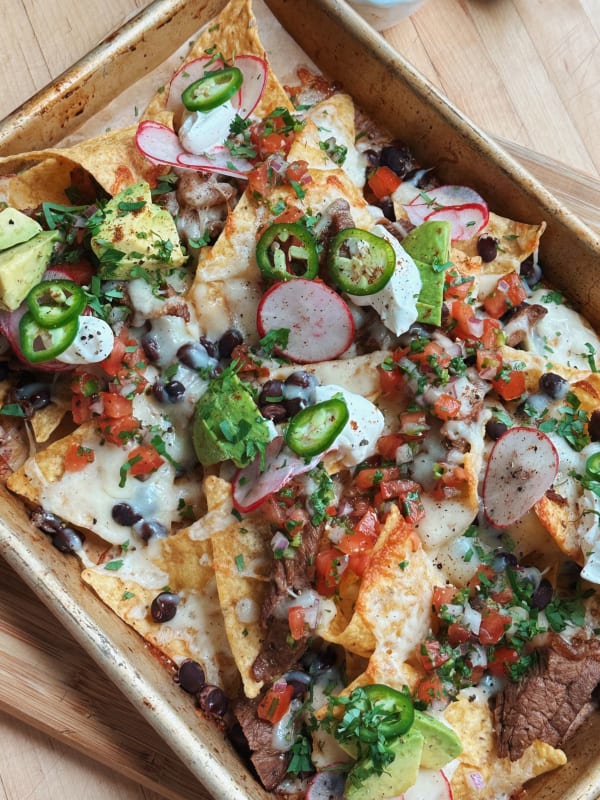
This is our body’s biological hunger system. It’s designed to provide us with an adequate supply of cellular fuel and to keep us eating enough to maintain a stable body weight.
Perhaps the most important thing about homeostatic hunger is that it’s regulated by hormones. These include insulin, leptin, ghrelin, and GLP-1. Together, they act as a thermostat for energy balance. They adjust how hungry or full we feel based on energy needs. Hormones also control whether we store what we eat as fat or burn it for other purposes, such as increasing body temperature or heart rate.
When this hormonal thermostat system works as intended, it is precise. Despite major daily swings in calorie intake, the body maintains its weight with remarkable consistency. This happens without our conscious choice to eat less or more.
Wild animals don’t think about counting calories, yet they maintain a stable weight. Human bodies have a predetermined ‘set point’ for weight, too. This is why we regain weight after dieting. People in overfeeding studies also quickly regain their baseline weight. If weight balance is off, it usually means the thermostat setting is the problem—not willpower or self-control.
This system and its set point respond to the hormonal effects of food, not calories. For example, 200 calories from cookies generate a strong insulin response and weak satiety, leaving you less full. In contrast, 200 calories from eggs cause almost no insulin response and promote much greater fullness. People who eat breakfasts low in protein but high in refined carbs almost always eat more calories at lunchtime. This isn’t a moral flaw—they are simply responding to increased hunger. Additionally, diets high in ultra-processed foods disregulate this system and increase, rather than satisfy, hunger.
Working with homeostatic hunger means restoring hormonal balance by reducing ultra-processed foods, fasting, limiting snacks, sleeping well, and focusing on proteins and healthy fats.
You can see the role of hormones in longer fasts. Hunger doesn’t just keep rising the longer you go without food. After two days of fasting, ghrelin levels may drop significantly. Most people then feel less hunger, not more. The truth is, most of us carry thousands of stored calories. When hormones are in balance, the body draws on these stores, reducing the urge to eat.
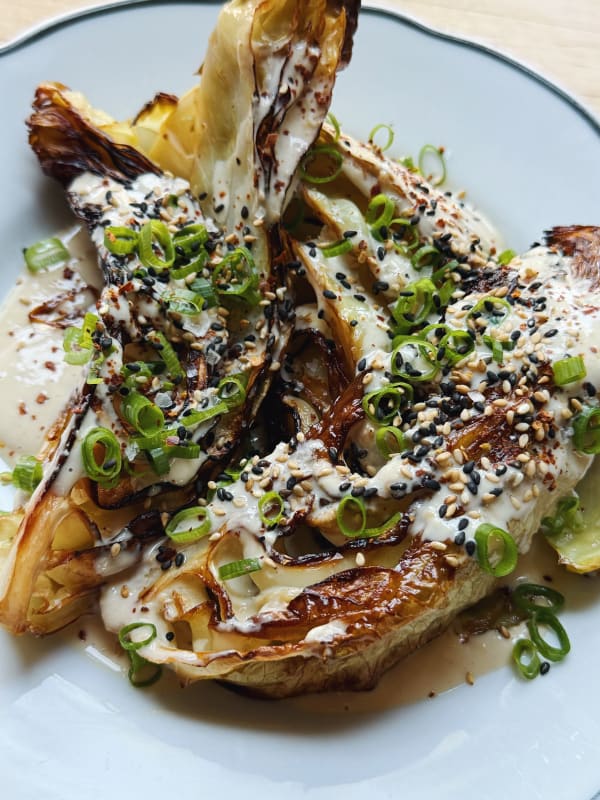
Hedonic hunger differs from our biological need for fuel. It comes from pleasure, reward, and emotion. This hunger is rooted in the brain’s dopamine system, which reacts to hyperpalatable foods—especially foods combining refined carbs and fats, like ice cream. Our cultural love for dessert speaks to this hunger. We may be full from a meal, but we can always find room for something sweet.
Processing is important here. Ultra-processed foods are quickly eaten, digested, and absorbed. Carrots or meat take more effort. Fast digestion leads to glucose and insulin spikes, but less satisfaction. This ultimately means more calories are eaten. Intense sensory properties also increase dopamine. That reinforces cravings and builds persistent habits. Many of these foods are designed to maximize reward and lower satiety. They make us want to eat more.
Managing hedonic hunger is not about restraint. It is about breaking the cycle. Replace ultra-processed foods with more minimally processed or whole foods. This lowers reward-driven eating. Like hormonal hunger, fasting can help disrupt these patterns. Taking a break from constant exposure can weaken cravings. It can also reset dopamine reinforcement loops.

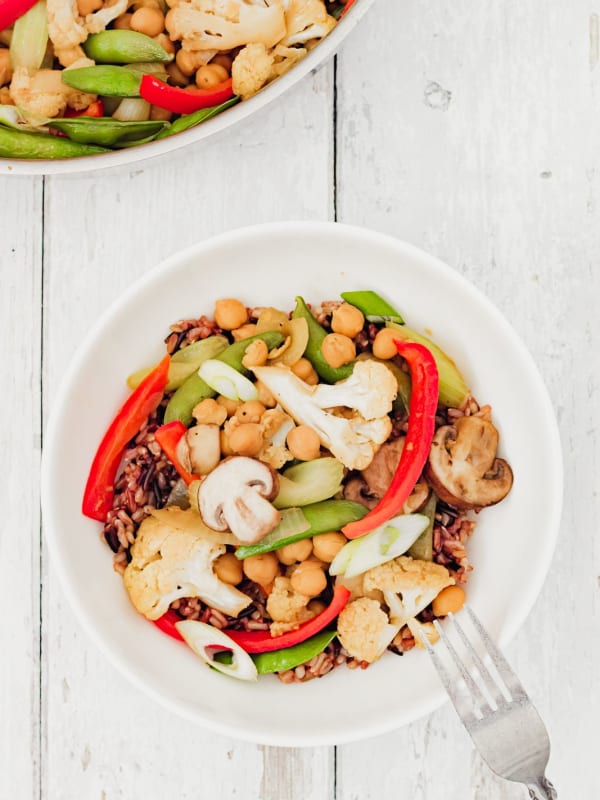
Pavlov taught dogs to salivate at the sound of a bell because they expected food. Humans are similar. Conditioned hunger is about routine and external cues, not physical need or pleasure. Conditioned hunger builds from repeated associations—like always eating at lunch break, snacking in the car, or eating on the couch while watching TV. The behaviour becomes automatic. These cues can override hunger and fullness signals.
Often, we live in ‘obesogenic’ environments that make us eat more. Other places help us keep a healthy weight. If your best friend is obese, you are 171 per cent more likely to become obese. Moving to the United States has transformed many people who never had weight issues before. Far beyond willpower, our environment predicts our hunger and weight balance.
For example, portion sizes have grown over the years. Cheeseburgers have increased in size, from roughly 4.5 oz in the late 1980s on average, to 8 oz today. Sugary drinks are much larger, too. This alone encourages us to overeat. Most of us are now used to finishing every meal put before us.
To address conditioned hunger, change your cues and environment. This might mean altering meal times or breaking automatic eating habits. Small actions—like keeping snacks out of sight or not eating while doing other things—can help. These changes help rewire our brains and weaken learned hunger. Gradually, replacing automatic snacks with set meals can sync eating with real hunger.
Since the rise of obesity, we’ve treated overeating as a lack of discipline. We link overeating to weak willpower. But this clashes with what we know now. In reality, overeating comes from dysregulated biology, obesogenic environments, and ingrained habits. People don’t gain unwanted weight because they lack willpower. Their hunger has been hijacked like never before.
From this perspective, the popularity of GLP-1 medications may represent a shift: when hunger is reduced through hormonal modulation, weight management may become more attainable.
But medication isn’t the only solution. By understanding the different types of hunger and working with them, we can restore a stable, intuitive, and enjoyable relationship with food.
Why am I still hungry after eating? It’s often not biological hunger. Hedonic cravings or conditioned habits like time, place, and routine can drive compulsive snacking even when you’re physically full.
Do GLP-1 drugs work by reducing appetite? Yes- and this speaks to just how powerfully hormones control our hunger. GLP-1 meds increase fullness and lower appetite, making it fairly automatic to eat less without relying on willpower.
Can fasting reduce excessive hunger? In many cases, yes. After an initial adjustment, hunger hormones like ghrelin drop, and insulin levels balance. People may find hunger fading. Regular fasting, such as alternate-day or intermittent fasting, can help manage hunger in the long term.
Do ultra-processed foods make us hungrier? Yes, they often do. These foods are generally engineered to weaken satiety signals while maximizing flavour and hedonic value. Heavy marketing for processed food also makes the environment more conducive to widespread obesity.
If you liked this article, check out Counting calories doesn’t count for much and The depressing truth about exercise.
Berthoud, H.-R., Morrison, C. D., & Münzberg, H. (2020). The obesity epidemic in the face of homeostatic body weight regulation: What went wrong and how can it be fixed? Physiology & Behavior, 222, 112959. https://doi.org/10.1016/j.physbeh.2020.112959
Christakis, N. A., & Fowler, J. H. (2007). The spread of obesity in a large social network over 32 years. New England Journal of Medicine, 357(4), 370–379. https://doi.org/10.1056/nejmsa066082
Fung, J. (2026). The hunger code: Resetting your body’s fat thermostat in the age of ultra-processed food. Greystone Books.
LaCombe, A., & Ganji, V. (2010). Influence of two breakfast meals differing in glycemic load on satiety, hunger, and energy intake in preschool children. Nutrition Journal, 9(1). https://doi.org/10.1186/1475-2891-9-53
Young, L. R., & Nestle, M. (2002). The contribution of expanding portion sizes to the US obesity epidemic. American Journal of Public Health, 92(2), 246–249. https://doi.org/10.2105/ajph.92.2.246
Photo by Ion (Ivan) Sipilov on Unsplash.
Share this article