Popular Conditions & Diets

An anti-inflammatory diet can help to combat chronic low-level inflammation associated with many health conditions, including obesity, PCOS, cardiovascular disease, and diabetes. An anti-inflammatory diet can also help to stabilize blood glucose levels and insulin sensitivity. Anti-inflammatory diets can help maintain a healthy weight and prevent excessive weight gain by reestablishing hormonal balance and leading to satiety (feeling full and satisfied) instead of experiencing constant hunger and cravings.


Omega-3 Fatty Acids: 2-3g per day of EPA and DHA. The three most important omega-3 fatty acids are ALA, DHA, and EPA. ALA is primarily found in plant sources, whereas EPA and DHA are primarily found in animal foods. ALA is the most common source of omega-3s in your diet. However, it needs to be converted to EPA or DHA before your body can utilize it. Unfortunately the conversion process is very inefficient- less than 10% gets converted! ALA that does not get converted to EPA or DHA is stored or used as energy like other fats. You may want to consider a DHA/EPA supplement if you are plant based or do not regularly eat fatty fish (salmon mackerel, or sardines).
Inulin: a prebiotic associated with reducing inflammation and weight and improving glucose balance. Most significantly, inulin supplementation influences the production of gut hormones such as GLP-1, PYY, and ghrelin, which impact appetite regulation and GI motility.
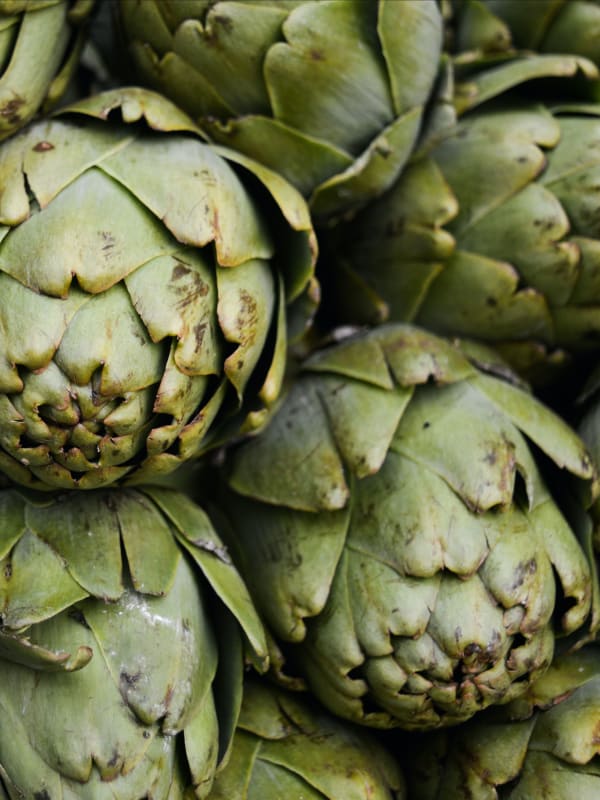
Prebiotic foods: Jerusalem artichoke, garlic, onion, leeks, asparagus, bananas, barley, oats, apples, cocoa, flaxseeds, and wheat bran.
Overall, an anti-inflammatory diet is beneficial to support the management of numerous health conditions and chronic diseases. An anti-inflammatory diet also supports gut health as well as maintaining general health. In its simplest form, an anti-inflammatory diet is a primarily whole food, plant-centred diet with a special focus on beneficial nutrients, including omega-3 fatty acids, fibre, and antioxidants. Rather than looking at it as following a diet, focus on limiting highly processed foods and include a wide variety of plant foods in your diet to get anti-inflammatory benefits!
Share this article